Getting Around Tokyo: Is There a City Center? Area Based Travel Guide
A Realistic Area-Based Travel Logic for First-Time Visitors
One of the first questions almost everyone asks before visiting Tokyo is simple:
“Where is the city center?”
In Tokyo, this question starts from the wrong assumption. The real challenge is not finding the center, but understanding why so many places feel like a center without actually being one. Unlike most European cities, Tokyo is not built around a single historical or geographic core. It is a city made up of multiple hubs, each functioning as its own focal point.
This article does not list attractions. Instead, it explains how Tokyo works on a map, why many first-time itineraries fail, and how to avoid exhausting yourself by trying to see too much in the wrong order.
Why Tokyo Doesn’t Have a Single Center
Tokyo did not grow outward from one old town or main square. Different areas developed at different times, each with a specific function: business, shopping, transportation, tourism, or local life. These functions never merged into one walkable core.
That’s why:
- Shibuya feels like a center because it’s crowded and energetic
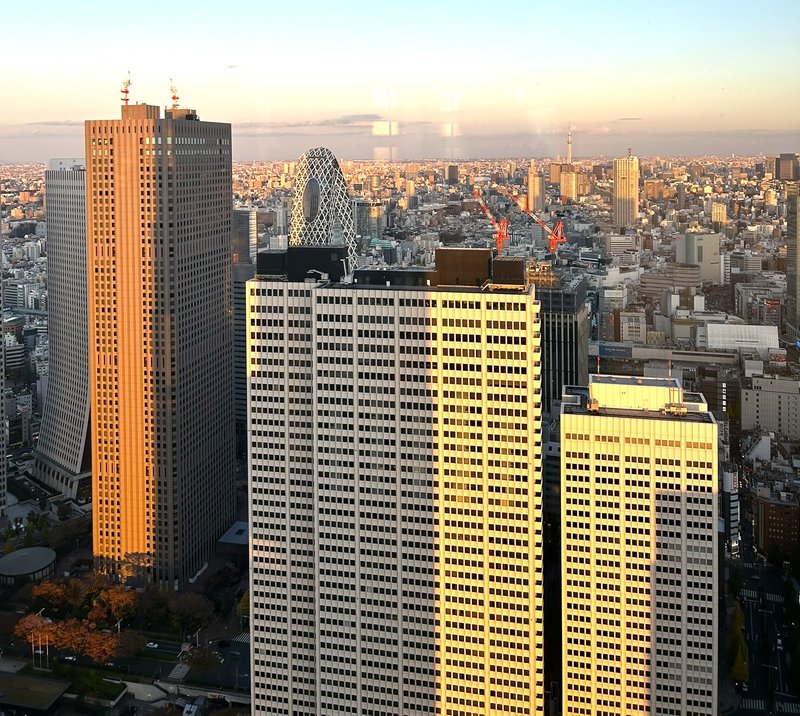
- Shinjuku feels central because it’s a massive transport hub
- Asakusa feels like a center because it’s historic and tourist-oriented
- Ginza feels like a center because it’s clean, expensive, and orderly
In reality:
- None of these areas connect naturally on foot
- There is no single “heart” of the city
- Each area operates independently
Looking for a traditional city center in Tokyo doesn’t simplify your trip. It usually makes planning harder, because you end up grouping places that do not belong in the same day.
Is Tokyo a Walking City or an Area-Based City?
Tokyo looks compact on a map, but the real experience is different. Even short distances often involve:
- large train stations
- long underground corridors
- confusing exits
- multiple levels above and below ground
A place that looks “10 minutes away” on Google Maps can easily turn into a 30-minute transition in real life.
That’s why Tokyo is not a walking city in the European sense. It is an area-based city.
Trying to visit three or four major districts in one day usually leads to:
- physical fatigue
- mental overload
- rushed experiences
For first-time visitors, the most reliable rule is simple:
One day = one main area.
At most, add one secondary area that matches its pace and character.
Shibuya – Energy, Crowds, and Constant Motion
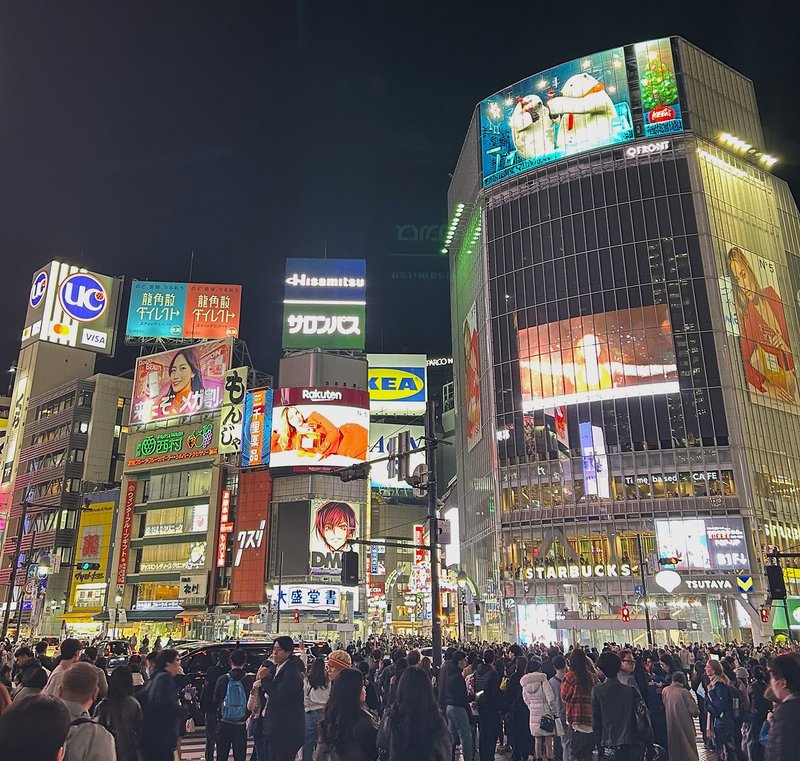
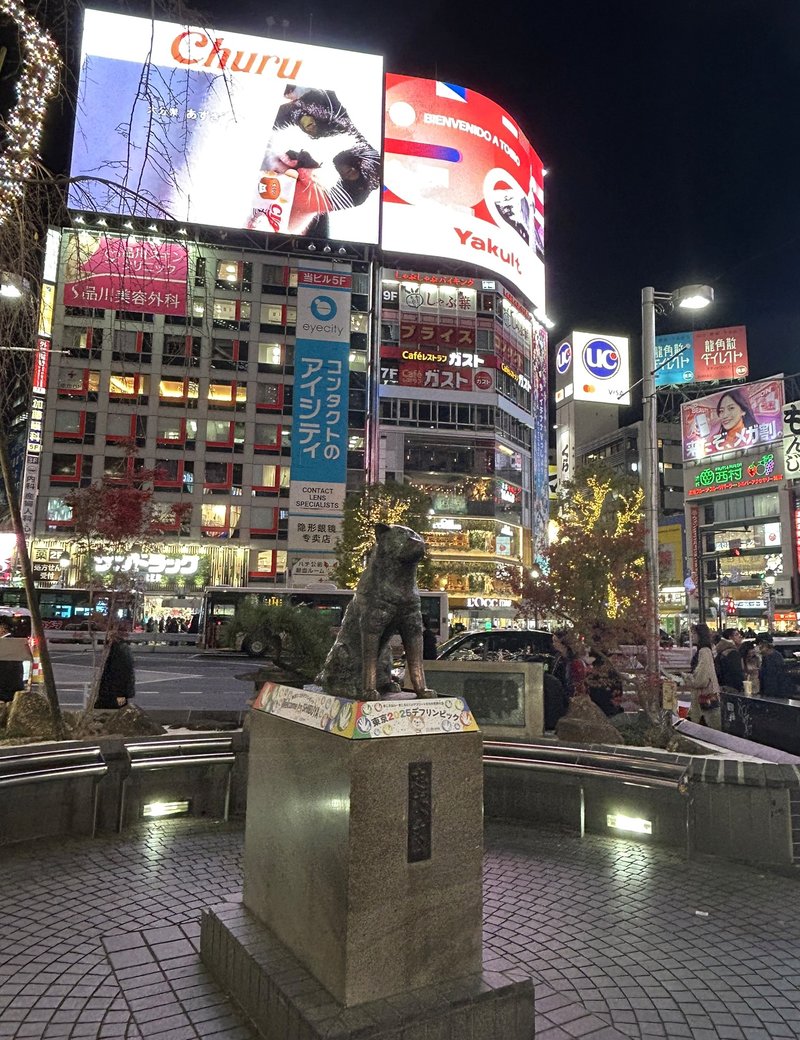
Shibuya is where many first-time visitors start, and for good reason. It delivers what people expect from Tokyo: crowds, movement, noise, and visual intensity.
In Shibuya, you’ll find:
- the famous Shibuya Crossing
- the Hachiko area
- dense shopping streets
- observation decks and city views
Shibuya gives you the “Tokyo feeling” very quickly.
However, there is an important limitation:
Shibuya is not slow. The constant flow of people, sound, and visual input makes it mentally demanding.
Because of this:
- Shibuya works well as a first-day destination
- but it often works best on its own
A common mistake is finishing Shibuya and thinking, “We still have energy, let’s go somewhere else.” In many cases, that decision ruins the rest of the day.
If you choose Shibuya:
- plan the day around it
- add only areas with a similar tempo
- don’t switch to a completely different type of district just because it looks close on the map
Shinjuku – A Transport Hub, Not a Sightseeing Core
Shinjuku is one of the most misunderstood areas in Tokyo. Because it hosts one of the busiest train stations in the world and is packed with tall buildings, many visitors assume it must be a “city center.” It isn’t.
Shinjuku’s primary role is functional:
- a major transport interchange
- a business and office zone
- a gateway to other parts of Tokyo
What you can realistically do in Shinjuku:
- visit Shinjuku Gyoen, one of the city’s largest and most pleasant parks
- walk through the skyscraper district
- see Kabukicho in the evening
What Shinjuku is not good for:
- slow wandering
- compact sightseeing
- spontaneous exploration
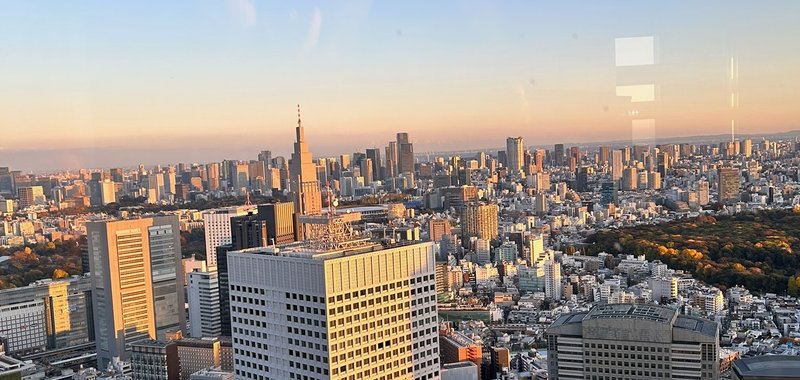
The area is large and fragmented. Distances between points of interest are longer than they appear, and much of the space is designed for movement rather than discovery.
Planning logic:
Shinjuku works best when paired with Shibuya on the same day. Their pace and energy level are similar.
Shinjuku does not work well with Asakusa or Ueno in a single day — the contrast is too strong.
Asakusa – Compact, Walkable, and Easy to Read
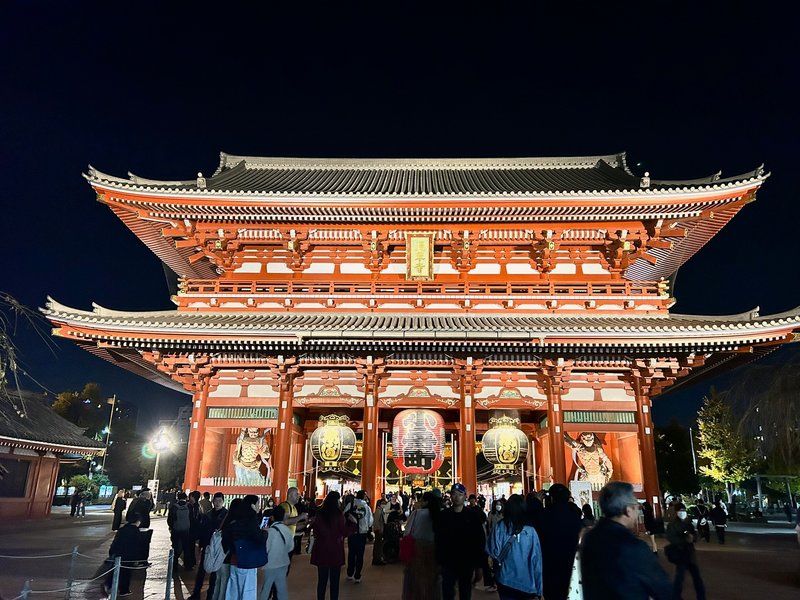
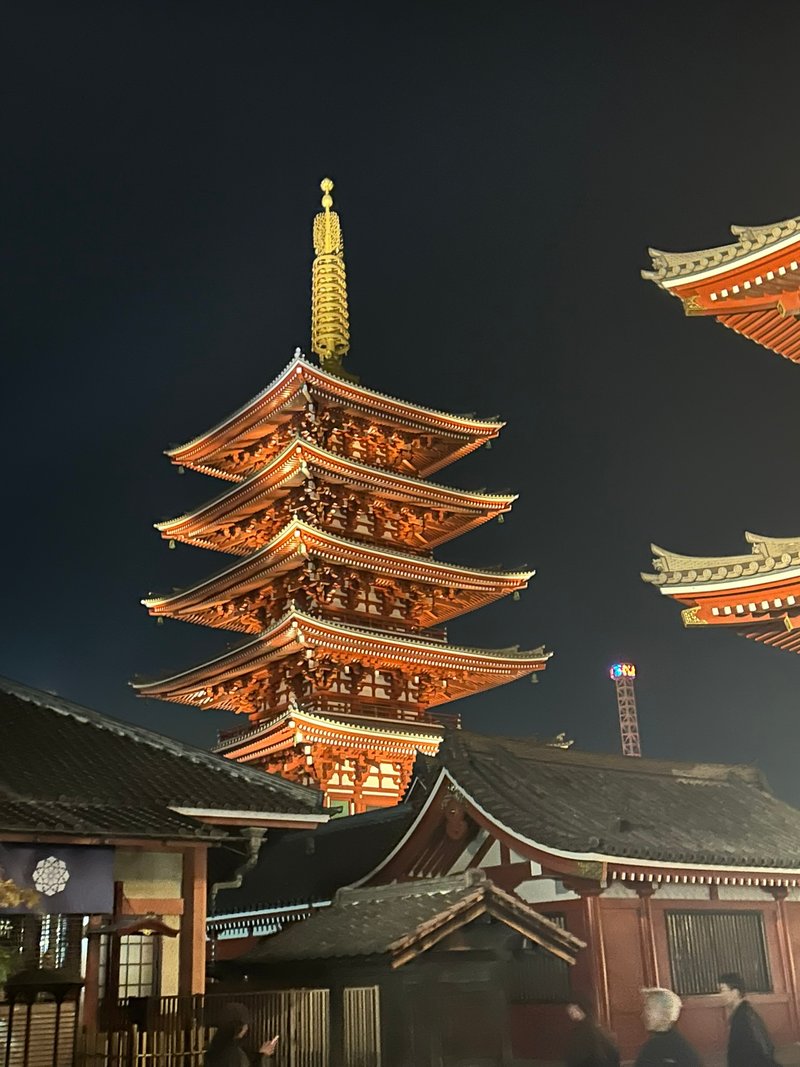
Asakusa is one of the most straightforward areas in Tokyo, especially for first-time visitors. Everything here is clearly organized and physically close.
In Asakusa, you’ll find:
- Senso-ji Temple
- Nakamise Street
- temple grounds and surrounding streets
- access to the Sumida River
This area has several advantages:
- most sights are within walking distance
- the purpose of the visit is clear
- the pace is slower and more predictable
Asakusa works very well:
- in the morning
- early in a trip
- as a low-stress introduction to Tokyo
A common mistake is leaving Asakusa and immediately heading to a high-energy area like Shibuya. These two districts demand completely different mental modes, and switching between them in one day usually leads to exhaustion.
Ueno – Parks, Museums, and Everyday Tokyo
Ueno is one of the few areas that naturally pairs well with Asakusa. The reason is simple: proximity and rhythm.
Ueno offers:
- Ueno Park
- major museums, including the Tokyo National Museum
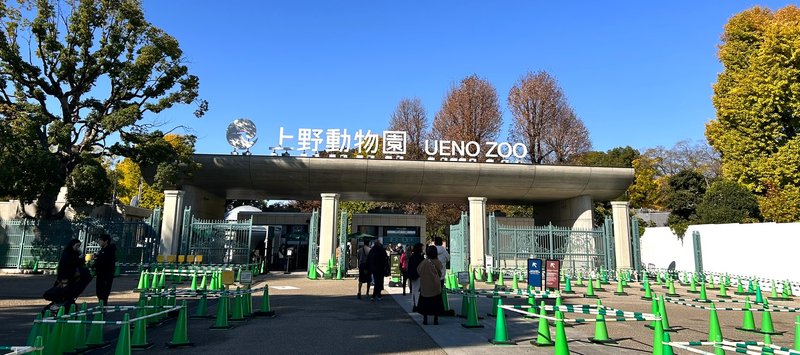
- zoo and cultural institutions
- Ameyoko Market, a lively local shopping street
Ueno is not a “quick stop.” If you include museums or the park, it requires real time and energy. But unlike many other districts, the walking experience here is manageable and coherent.
Asakusa + Ueno is one of the best same-day combinations in Tokyo:
- morning in Asakusa
- afternoon in Ueno
- minimal transport stress
- consistent pace
This pairing is a good example of how Tokyo planning should work.
Ginza – Looks Central, Functions as Retail
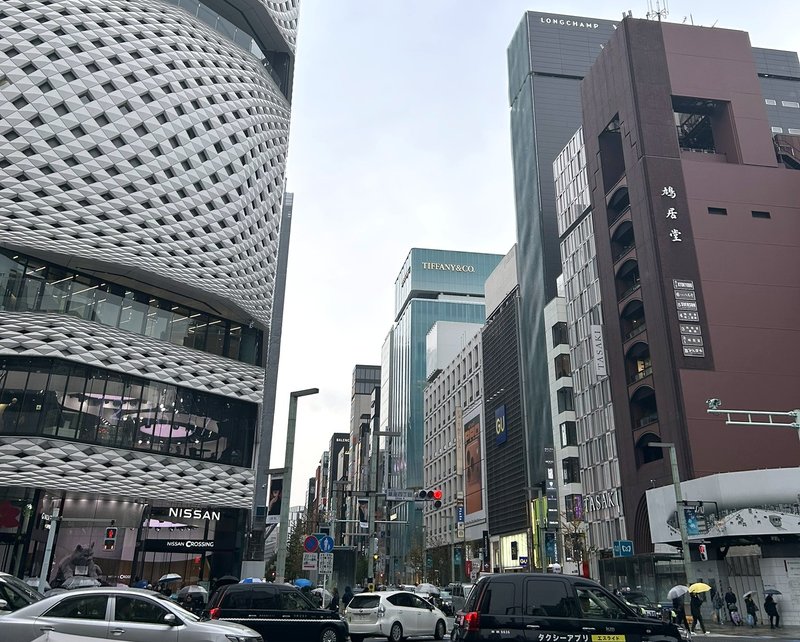
Ginza often feels like a city center at first glance. The streets are wide, clean, and visually impressive. But Ginza is not a sightseeing district — it is a shopping district.
What Ginza offers:
- luxury brand stores
- department stores
- polished, controlled urban space
What it does not offer:
- layered street life
- discovery through walking
- variety in atmosphere
Visitors often go to Ginza expecting “something to happen” as they walk. In most cases, it doesn’t.
Planning advice:
- Visit Ginza only if shopping is a priority
- Don’t place it at the center of your itinerary
- Don’t combine it with Asakusa or Ueno on the same day
Ginza works better as a short, intentional stop than as a core sightseeing area.
Akihabara – Worth Visiting Only If You Care About the Theme
Akihabara is one of the most specialized areas in Tokyo. It is heavily focused on electronics, gaming, anime, and manga culture. If these topics matter to you, Akihabara can be interesting. If they don’t, it becomes repetitive very quickly.
What defines Akihabara:
- large electronics stores
- anime and gaming shops
- themed cafés
- visually loud but conceptually narrow streets
Akihabara works best as:
- a short visit
- a deliberate choice, not a default stop
It pairs reasonably well with Asakusa or Ueno, either before or after. It does not pair well with high-energy districts like Shibuya or Shinjuku on the same day. The shift in atmosphere is abrupt and tiring.
Roppongi – Go With a Purpose, Not Curiosity
Roppongi is often associated with nightlife, but for visitors, its real value lies in its museums and observation points.
Roppongi offers:
- modern art museums
- planned, clean urban design
- wide streets and controlled spaces
What it does not offer:
- organic street life
- spontaneous discovery
- compact sightseeing
Roppongi only makes sense when you have a specific reason to go:
- a museum you want to see
- a viewpoint you want to visit
Adding Roppongi “just because it’s nearby” usually disrupts the rhythm of the day.
Yanaka – A Rare Slow Area in Tokyo
Yanaka is one of the few places in Tokyo where the pace noticeably slows down. It offers narrow streets, small shops, and a glimpse of everyday life that feels different from most of the city.
Yanaka:
- has no major landmarks
- rewards slow walking
- feels residential and local
It works well as:
- a calm extension of Ueno
- a contrast to museum-heavy hours
Yanaka does not work well when combined with:
- Shibuya
- Shinjuku
- Ginza
The pace difference is too extreme to manage comfortably in a single day.
Odaiba – Distant and Time-Consuming
Odaiba feels very different from the rest of Tokyo. Built on an artificial island, it offers wide open spaces, modern architecture, and large commercial complexes.
Odaiba requires:
- long travel time
- intentional planning
- several hours minimum
It is not suitable as:
- a quick add-on
- a last-minute decision
Odaiba works best as:
- a half-day or full-day destination
- a standalone plan
Trying to combine Odaiba with central districts often leads to rushed schedules and wasted transit time.
“Don’t Combine These” – Common Planning Mistakes
Most planning mistakes in Tokyo come from relying on map distance instead of area character.
Common examples:
- Asakusa in the morning → Shibuya in the evening
- Ueno followed by Ginza
- Shinjuku plus Odaiba on the same day
These combinations fail not because they are far apart, but because they require constant mental adjustment. Tokyo planning is not about kilometers — it’s about energy management.
What First-Time Visitors Get Wrong
Many first-time visitors assume:
- public transport makes everything easy
- seeing more areas means a better trip
- “quick stops” are efficient
In practice, this leads to:
- rushed days
- low retention of experiences
- the impression that Tokyo is “too much”
The problem isn’t the city. It’s unsorted planning.
Clear Planning Rules for First-Time Visitors
There is no perfect itinerary for Tokyo, but there are very clear rules that prevent bad ones. First-time visitors who enjoy Tokyo usually follow these principles, even if they don’t realize it at first.
- Choose one main area per day.
Every major district in Tokyo is dense. Trying to “cover” more than one core area in a day almost always leads to rushing. - Combine only compatible areas.
Asakusa + Ueno works because the pace and structure are similar.
Shibuya + Asakusa does not, even if transport looks easy. - Ignore map distance; focus on transitions.
Tokyo fatigue comes from exits, corridors, station size, and mental switching — not from kilometers. - Reduce “quick stops.”
Tokyo does not reward short visits. Each area needs time to make sense.
Think in Areas, Not in Days
One of the most common planning mistakes is building an itinerary around days instead of areas.
A better way to think is:
- Which area do I want to spend time in today?
- How much energy does that area require?
- Is there another nearby area that naturally fits after it?
When you plan this way:
- routes simplify themselves
- travel time feels shorter
- the city becomes easier to read
Tokyo is not a city that punishes spontaneous wandering. It is a city that punishes random sequencing.
Is Tokyo Actually Difficult?
Tokyo is not difficult to navigate.
But it becomes frustrating when:
- you expect a traditional city center
- you try to walk between districts
- you treat metro access as a shortcut to everything
When planned in the right order, Tokyo feels:
- structured
- logical
- predictable
The problem is not how much there is to see.
The problem is not knowing what should come first.
How This Fits Into the Tokyo Series
This article is the planning backbone of the Tokyo series. The other parts expand on this logic from different angles:
- Tokyo1 – First Impressions of Tokyo: After Kyoto, Is Tokyo Chaos or Order?
Explains why Tokyo feels overwhelming at first glance. - Tokyo3 – Transportation in Tokyo: Intimidating or Overhyped? A First-Time Visitor’s Guide
Breaks down why transport matters so much in an area-based city. - Tokyo4 – Eating in Tokyo: Perfect Technique, Distant Experience
Shows how area planning directly affects food choices. - Tokyo5 – Where to Stay in Tokyo? A First-Timer’s Neighborhood Guide
Explains how accommodation choice shapes your daily routes.
Reading these in order makes Tokyo planning significantly easier.
Final Takeaway
Planning matters in Tokyo.
But what matters more is knowing the order.
If you understand which areas work together — and which don’t — Tokyo stops feeling chaotic and starts making sense.