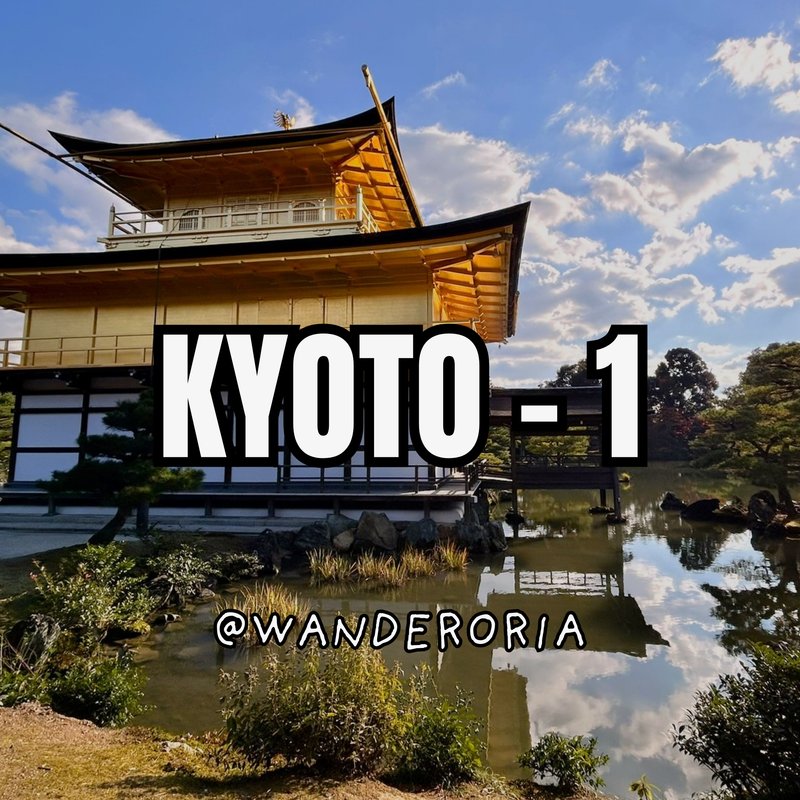
First Impression of Kyoto: Starting My Japan Trip
Starting My Japan Trip in Kyoto: The First Few Hours
I started my Japan trip in Kyoto. It wasn’t a deeply calculated decision, but after arriving, it felt like the right place to begin. Kyoto doesn’t try to impress you immediately. It doesn’t overwhelm you with scale, speed, or spectacle. Instead, it eases you in. Within the first few hours, I realized that my expectations of Japan weren’t expanding — they were simplifying.
The city felt organized but not distant, calm but not empty. During my first walk, I didn’t have that familiar travel anxiety of “am I missing something?” Kyoto doesn’t create pressure. It gives you space. For a first encounter with Japan, that sense of ease matters more than it seems.
When you arrive in Japan for the first time, you usually carry a lot of mental baggage: images, assumptions, rules, and curiosity all at once. Kyoto doesn’t add to that noise. It quietly trims it down.
The Rhythm of the City: A Slower Japan
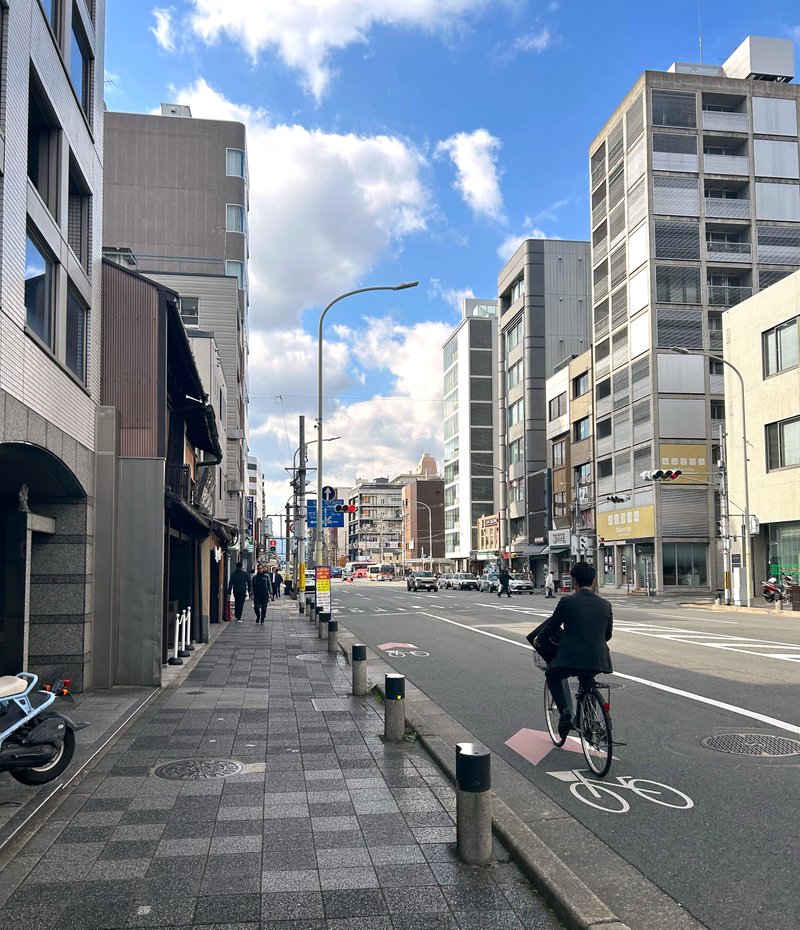
Kyoto has a very particular rhythm. Everything works as it should — transportation is punctual, streets are clean, people are clearly going somewhere — but the city never feels rushed. No one pushes you forward. No one makes you feel late.
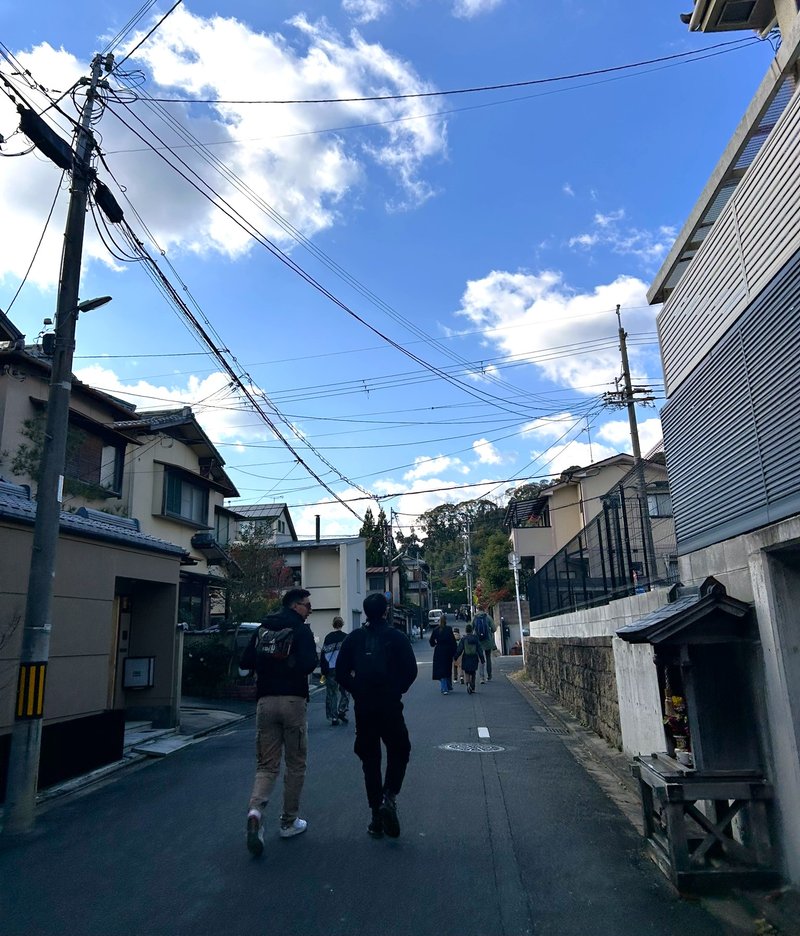
Walking through Kyoto, this becomes obvious quickly. Sidewalks may be narrow, yet people move with awareness. There’s no loud talking, no chaotic energy, no need to constantly watch your back. Even in busy areas, the city feels controlled in a gentle way.
Despite its size, Kyoto feels human-scaled. Neighborhoods blend into one another smoothly. Transitions are soft, not abrupt. By the end of the first day, that unfamiliar feeling most cities give you had already faded. I wasn’t fully oriented yet, but I wasn’t lost either — mentally or physically.
Temples Are Beautiful — But Silence Is What Stays With You
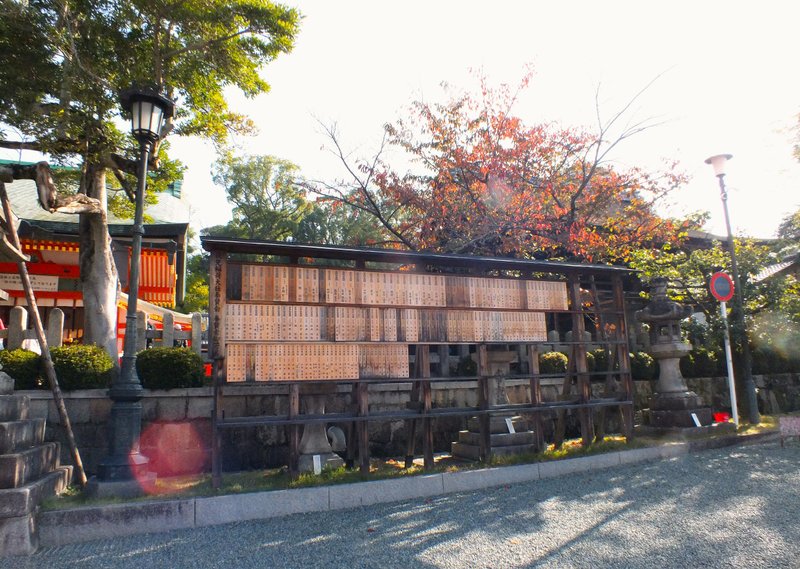
Temples are impossible to avoid in Kyoto. And yes, they are beautiful. Architecturally impressive, well-maintained, visually calming. But what stayed with me wasn’t their appearance — it was the silence surrounding them.
You slow down naturally when you enter these spaces. Voices drop. Steps become lighter. People take photos, but without urgency. These places don’t feel like attractions you need to “consume.” They feel like pauses built into the city.
During the first days, visiting temples didn’t feel exhausting. There was no checklist pressure yet. They appeared naturally along my walks, not as destinations but as interruptions — gentle ones. You turn a corner, and suddenly the pace changes.
That quiet invitation to slow down is one of the reasons Kyoto made such a strong first impression on me. The city doesn’t demand attention. Everything is already there — whether you notice it or not is up to you.
Crowded, But Not Overwhelming
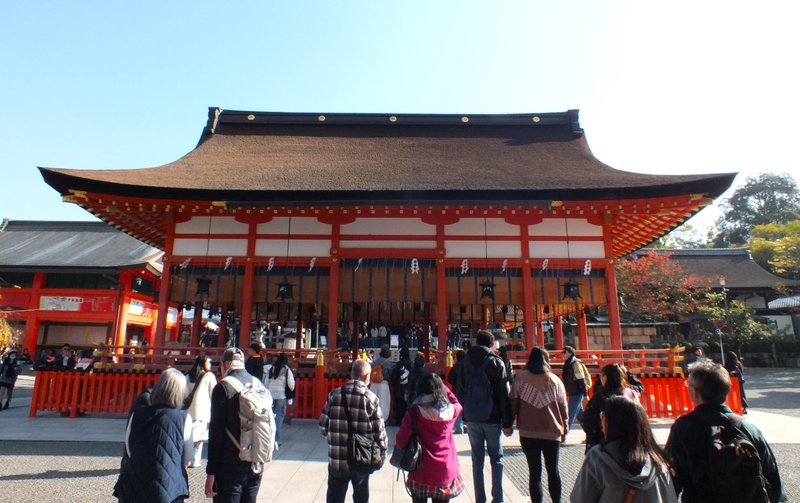
Kyoto is a popular city, and there’s no denying that. Certain areas get busy, especially around temples and main walking routes. Still, the crowds never felt overwhelming to me. There’s a difference between being surrounded by people and feeling drained by them, and Kyoto leans toward the former.
What makes the difference is behavior. People wait. They move in order. They respect shared space. When someone stops to take a photo, others don’t react with frustration. There’s no sense of urgency being forced onto you. That alone changes how a city feels when it’s busy.
Another thing I noticed quickly was how easy it is to step away from the crowd. One turn off a main street is often enough. Within minutes, the atmosphere shifts — quieter streets, local shops, a more everyday rhythm. That balance between tourist routes and normal life feels intentional, not accidental.
When the Idea of Living in Kyoto Started to Feel Real
Some cities are exciting to visit but easy to rule out as places to live. Kyoto didn’t fall into that category for me. After just a few days, I caught myself thinking about what it would be like to stay longer — not as a tourist, but as someone settling into a routine.
This wasn’t about romance or idealization. It was practical. The city’s scale makes sense. Daily life is visible. You see people commuting, shop owners opening their doors, streets slowly quieting down in the evening. Even as a visitor, you don’t feel completely separate from that flow.
Kyoto doesn’t hide its everyday life behind tourist façades. At the same time, it doesn’t put it on display either. That balance creates a sense of authenticity. The challenges of living there are obvious — language, culture, structure — but they don’t feel aggressively imposed. The city gives you room to adapt at your own pace.
First Food Impressions: Reliable, Balanced, Satisfying
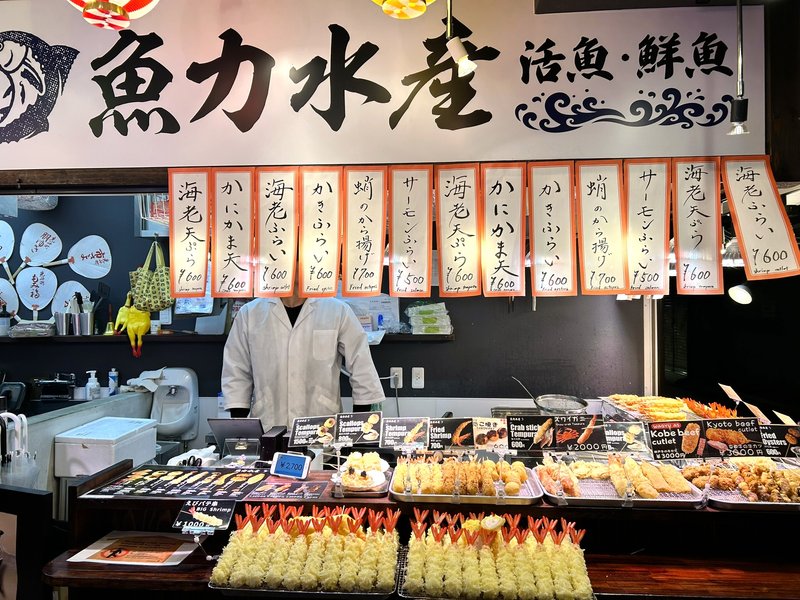
Food is often one of the biggest unknowns at the start of a trip, especially in a country like Japan. In Kyoto, my first food experiences were reassuring rather than surprising — and I mean that in a good way.
Nothing felt overly experimental. Meals were simple, well-prepared, and balanced. Wherever I ate, the minimum standard was consistently high. I never felt disappointed or misled, which is not something you can say about every tourist-heavy city.
That sense of reliability matters during the first days of a trip. When food isn’t a risk, it becomes part of the rhythm rather than a decision you stress over. Kyoto made eating easy, which in turn made exploring easier.
This also built confidence for later. Knowing that the basics were solid made me more open to trying new places and different styles of food as the days went on.
A City That Doesn’t Rush the Relationship
By the end of those first days, it was clear that Kyoto wasn’t trying to win me over quickly. It felt more like a city that reveals itself gradually, without pressure. The connection forms through small observations rather than standout moments.
Silence, order, everyday life, and a steady pace — none of these are dramatic on their own. But together, they create something stable. Something that lingers.
The Overall Feeling Kyoto Left Me With
When I left Kyoto, the feeling that stayed with me was simple: comfort. Not excitement in the loud sense, not a dramatic sense of awe — just a calm certainty that I had enjoyed being there. That’s not something I feel often when visiting a new city, especially one with such a strong global image.
Kyoto doesn’t try to constantly prove its value. It doesn’t overwhelm you with landmarks or push you from one highlight to the next. Everything feels settled. The city knows what it is, and it doesn’t need your approval. That confidence translates into a very relaxed experience for the visitor.
What stood out most was how balanced everything felt. Tourism exists, but it doesn’t erase daily life. Tradition is visible, but it’s not theatrical. Modernity is present, but never dominant. This balance made Kyoto feel honest — not curated, not exaggerated.
I Liked Kyoto — And I Know Why
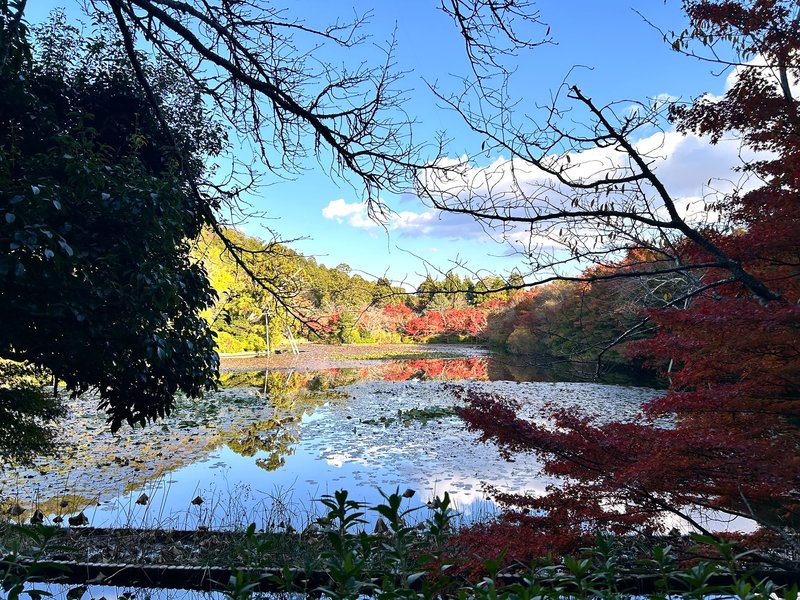
I liked Kyoto, but not because everything was perfect. Temples are beautiful, but not every single one feels unique. Food is consistently good, but not every meal is unforgettable. The city is organized, but it doesn’t feel sterile. These imperfections actually made the experience more believable.
Kyoto doesn’t ask you to fall in love with it. It allows you to like it realistically. That matters. Cities that rely too heavily on spectacle often fade quickly in memory. Kyoto doesn’t work that way. It grows on you through repetition, routine, and quiet moments.
Instead of asking “what did I see?”, Kyoto made me ask “how did I feel while I was there?” And the answer was steady, calm, and curious — all at once.
A Note on Starting Japan in Kyoto
Beginning my Japan trip in Kyoto shaped my entire perception of the country. It set a slower tone. It encouraged observation instead of consumption. I imagine starting in a faster, more intense city might have been exciting, but also more exhausting.
Kyoto gave me time to adjust — to the rhythm, the rules, the unspoken norms. It was an introduction that didn’t demand anything from me. And because of that, it worked.
The city never rushed me, and I never felt the need to rush through it.
Next Step
Liking Kyoto is easy in the first days. Understanding it takes movement. Walking through its neighborhoods, noticing transitions, and paying attention to how the city changes from one street to the next is where the real experience begins.
That’s why the next step isn’t another list of sights, but the act of walking itself.
In the next article, I’ll focus on Kyoto’s walkable areas, how the city reveals itself on foot, and which neighborhoods best reflect the calm, balanced feeling that made Kyoto stay with me.