First Impressions of Tokyo: After Kyoto, Is Tokyo Chaos or Order?
The moment you board the Shinkansen from Kyoto to Tokyo, you realize you are not just moving between two cities, but between two completely different rhythms. Kyoto feels slower and more predictable. You get on the train, the city gradually fades, and the landscape opens up. The journey to Tokyo, on the other hand, feels like a transition: a calm start, controlled acceleration, and then a steady build-up toward density.
This route matters because many first-time visitors to Japan follow the same order: Kyoto first, Tokyo later. And that sequence can make Tokyo feel harsher than it actually is. For that reason, it’s hard to talk about first impressions of Tokyo without considering Kyoto.
The Train Ride from Kyoto to Tokyo: The First Breakpoint
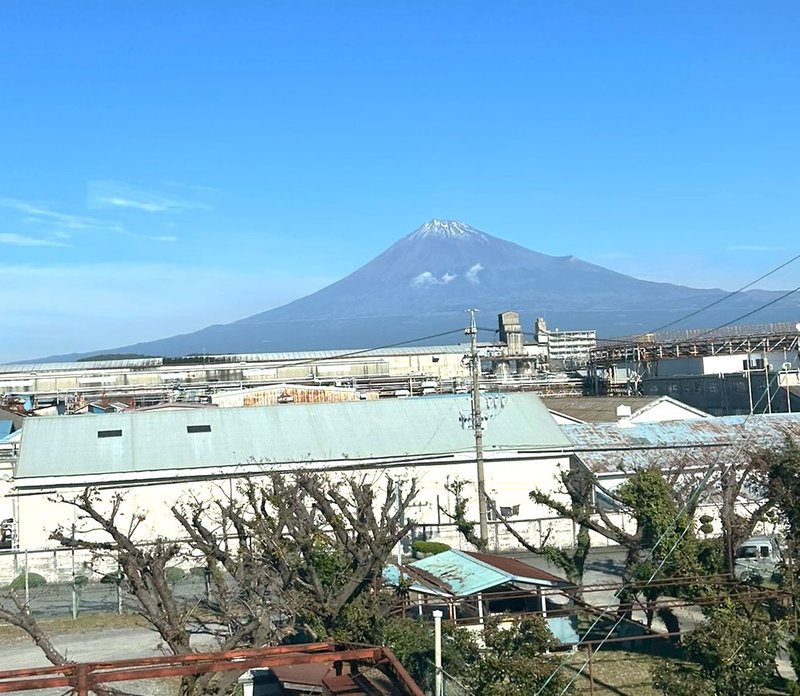
There is a small but important detail on the Kyoto–Tokyo Shinkansen route: sit on the left side. On a clear day, this gives you a better chance of seeing Mount Fuji. It’s not the kind of information that dominates guidebooks, but it’s something people who have taken the route tend to know. And it reflects how Japan works in general: large systems, supported by small, practical rules.
As the train leaves Kyoto, the surroundings quickly thin out. Fewer buildings, more open space. When Fuji appears, it usually doesn’t last long—just a few minutes before it disappears again. But that short moment creates a mental marker. Fuji represents Japan’s symbolic, orderly, postcard-ready image. Tokyo stands on the opposite side of that image: less symbolic, more functional, and constantly in motion.
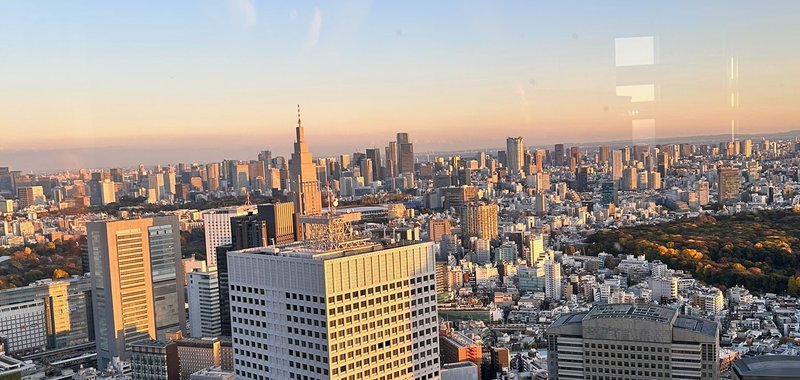
As the train approaches Tokyo, the landscape changes again. Buildings become denser. Layers appear. You start to sense that Tokyo is not a horizontal city. It is vertical. Underground passages, street level, elevated walkways, multi-story buildings—everything exists at the same time.
This is where the shift happens. The calm predictability of Kyoto gives way to a much denser but tightly controlled system.
Arriving in Tokyo: Crowded, Yet Quiet
The first station experience in Tokyo is usually similar for many people. There are a lot of people, but not the noise you expect. No shouting, no rushing, no bumping into each other. At first, this feels confusing. We tend to associate crowds with chaos, but in Tokyo that connection doesn’t really apply.
People move quickly, but not impatiently. Everyone seems to know exactly where they are going. While you stop to look around, the flow continues uninterrupted. No one appears annoyed. This creates Tokyo’s first major contradiction: extremely crowded, yet highly controlled.
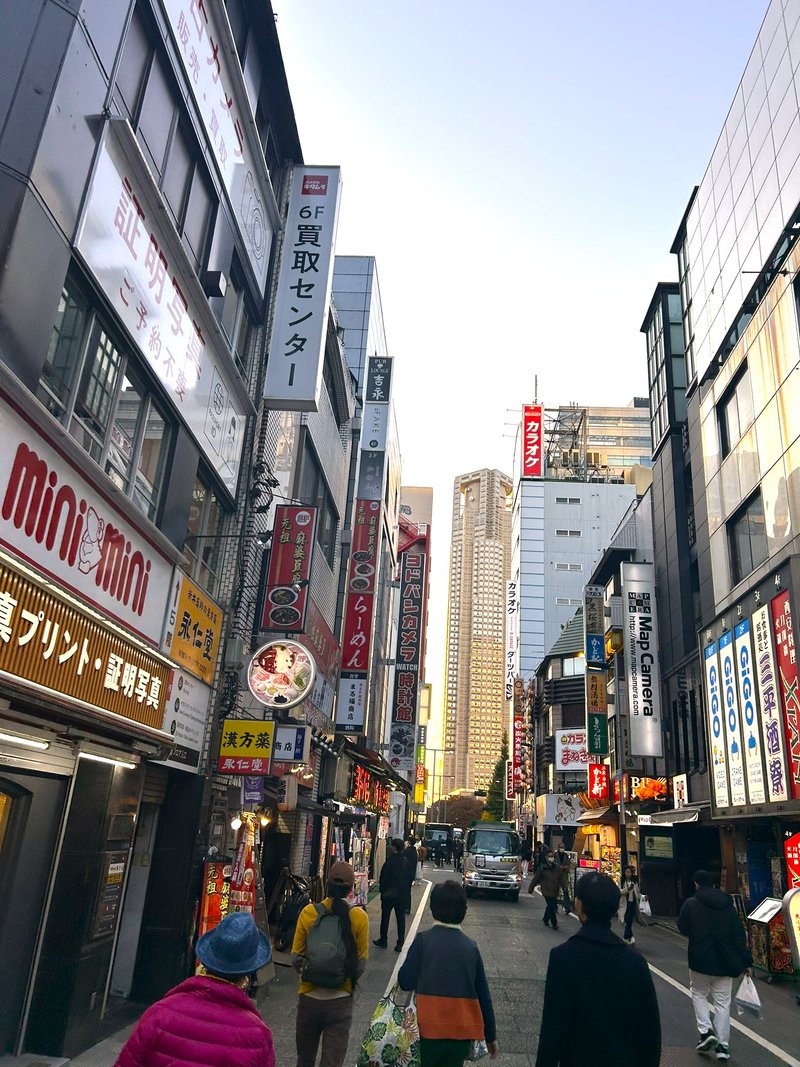
The feeling of chaos doesn’t come from people. It comes from information overload. There are many signs. Many exits. Many directions. One station can have multiple exits, each exit leading to several paths, each path operating on different levels. Tokyo doesn’t overwhelm you with noise, but it constantly asks you to make decisions.
That’s what makes the first day tiring. Not physically, but mentally. You are always choosing: which sign to follow, which exit to take, which level you should be on. In Kyoto, getting lost rarely feels like a problem—you end up walking through a quiet street or finding a small café. In Tokyo, being lost often means realizing you’re on the wrong line, going in the wrong direction, on the wrong level.
What’s interesting is that despite this confusion, Tokyo rarely feels unsafe. The system works. Trains arrive. People line up. Everything moves forward as it should. Tokyo’s order is not comforting, but it is convincing.
At this point, the question naturally appears: Is this city really chaotic, or do we simply not understand how it works yet?
Why Tokyo Feels Exhausting at First
The fatigue most people feel on their first day in Tokyo is often misinterpreted. It’s easy to blame the crowds, the long walking distances, or jet lag. In reality, none of these are the main reasons. Tokyo is not physically exhausting. It is mentally demanding.
The core reason is constant decision-making. Which exit should you take? Which sign should you follow? Which platform is correct? Which direction makes sense? Tokyo gives you options, but rarely gives you clear guidance. Especially in the first days, this creates a form of cognitive fatigue that builds up quietly.
In Kyoto, getting lost usually isn’t a problem. You wander into a narrow street, find a temple, or stumble upon a café. In Tokyo, getting lost often means realizing you’re on the wrong line, heading in the wrong direction, at the wrong level of the city. It doesn’t cause panic, but it requires constant correction.
Another major factor is Tokyo’s layered structure. The city does not exist on a single plane. Underground shopping areas, train platforms, street level, pedestrian bridges, and multi-story buildings all overlap. You can physically be in one place while mentally trying to understand several others at the same time.
This is why Tokyo rarely feels comfortable on day one. But that discomfort is not a sign of disorder.
Not Chaos, but Extreme Organization
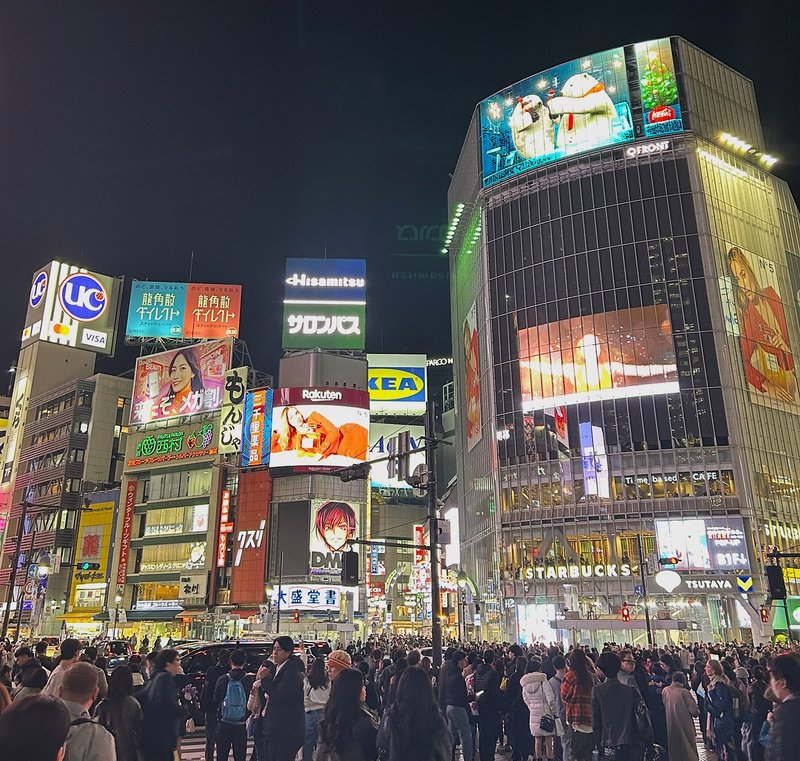
What feels like chaos in Tokyo is actually highly organized behavior that isn’t immediately visible. The rules exist, but they are rarely explained. People know where to stand, how to move, and when to wait. No one needs to announce it, and no one expects to teach it to newcomers.
At stations, people line up even when there are no obvious markers. Movement patterns are guided more by social behavior than by signage. Escalator rules vary by city, but locals know them instinctively. Visitors usually learn by making small mistakes.
Tokyo’s order is different from what many European cities offer. It doesn’t feel welcoming or slow-paced. No one stops to guide you, but no one pushes you either. The system doesn’t adapt to the visitor; the visitor adapts to the system.
This is an important point: Tokyo is not designed for tourists. It functions primarily for the people who live and work there. Visitors enter that system temporarily, without special adjustments. That’s why the city can feel cold at first, even though it’s extremely efficient.
Calling Tokyo chaotic is understandable at first glance. But with a bit of attention, it becomes clear that what you’re seeing is not disorder, but organization operating without explanation.
Perceiving Tokyo After Kyoto
One reason Tokyo feels especially intense is because it often comes after Kyoto. Kyoto offers a slower pace, clearer spatial logic, and a sense of continuity. You can usually tell where you are and where you’re going. Time feels more visible.
Tokyo works differently. Time moves without announcing itself. You can spend hours navigating stations, neighborhoods, and connections without noticing how much of the day has passed. This doesn’t make Tokyo worse, but it breaks expectations.
If Tokyo were the first stop, the intensity might feel more natural. But arriving directly from Kyoto sharpens the contrast. The issue is often not Tokyo itself, but the mental comparison we carry with us.
To understand Tokyo, it helps to stop viewing it as an alternative to Kyoto. It operates on a completely different logic. Expecting the same emotional or spatial response usually leads to frustration.
Tokyo Doesn’t Need to Be Liked on Day One
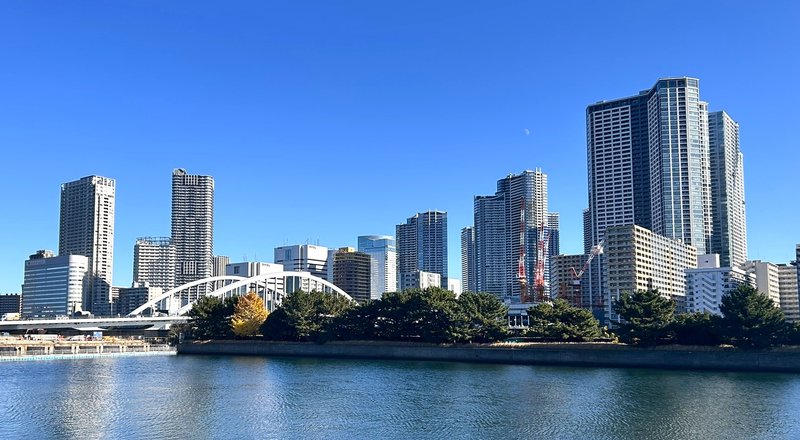
Tokyo is not a city that tries to win you over on the first day. In fact, it often does the opposite. It gives you space, but little guidance. It is orderly, but rarely explanatory. That’s why feeling distant from the city at first is completely normal.
Expectations matter here. If you expect Tokyo to feel immediately enjoyable, comfortable, or emotionally engaging, disappointment is likely. Tokyo is not designed to be understood quickly. It requires time and repetition. As you begin to understand how the city functions, your relationship with it gradually changes.
The early fatigue or emotional distance many visitors experience is not a flaw of the city. It’s a signal that Tokyo operates on a different logic. The city does not adjust itself to you; you adjust yourself to the city. For many travelers, that shift feels unfamiliar.
After a few days, familiar patterns start to emerge. Stations become less intimidating. Signage makes more sense. You begin to anticipate which exits lead where. Tokyo slowly opens up, but only if you engage with it patiently.
How to Approach Tokyo
The most effective way to approach Tokyo is to stop treating it as a checklist of attractions and start seeing it as a working urban system. Trying to cover too much too quickly usually increases frustration. Focusing on understanding one area at a time tends to be far more productive.
Each neighborhood in Tokyo functions like a small center of its own, but none of them work in the same way. The distance between neighborhoods is not just physical. Pace, density, and purpose change dramatically from one area to another. That’s why understanding how the idea of a “center” works in Tokyo is essential before planning your days.
Transportation plays a major role in this perception. Tokyo’s transit system looks overwhelming at first, but it is not random. Every line and station follows a clear internal logic. The difficulty lies in the fact that this logic doesn’t reveal itself immediately.
One of the biggest mistakes is trying to consume Tokyo quickly. Tokyo isn’t a city to be consumed. It’s a city to be decoded. When you shift your mindset in this direction, the city becomes far more manageable.
Understanding the City Before Exploring It
First impressions of Tokyo rarely lead to clear conclusions. The city is neither instantly loved nor fully rejected. Instead, it leaves open questions. That ambiguity is actually a good starting point, because Tokyo rewards curiosity and patience.
The purpose of this article was not to praise or criticize Tokyo. It was to explain why the city often feels the way it does at first—especially when arriving directly from Kyoto. Recognizing this pattern helps set more realistic expectations and leads to a better experience.
If you want to explore Tokyo with a clearer understanding of how the city is structured—where to go, how areas relate to each other, and why the idea of a single “center” doesn’t really apply—the next article in this series focuses exactly on that.
What’s Next in This Series
- Getting Around Tokyo: Is There a City Center? Area-Based Travel Guide
A practical guide to Tokyo’s main districts, explained through the city’s structure rather than a simple attraction list. - Transportation in Tokyo: Intimidating or Overhyped? A First-Time Visitor’s Guide
A clear look at Tokyo’s transport system and how to use it without stress. - Eating in Tokyo: Perfect Technique, Distant Experience
Expectations versus reality, and what to watch out for. - Where to Stay in Tokyo? A First-Timer’s Neighborhood Guide
How choosing the right area can simplify your entire trip.
Understanding Tokyo comes first.
Exploring it comes after.