Transportation in Tokyo: Intimidating or Overhyped? A First-Time Visitor’s Guide
Before arriving in Tokyo, there was one sentence I kept hearing over and over again:
“Public transportation is insanely complicated.”
Most people who say this either panicked on their first day or never really gave the system a chance. Still, it’s easy to understand where the fear comes from. Even before you land, images of Tokyo’s subway maps start living rent-free in your head—layers of colored lines, endless station names, massive interchanges. At first glance, it doesn’t look like a city. It looks like a puzzle.
And on your first day, it does feel overwhelming.
The First Look at Tokyo’s Transit Map: “I’m Definitely Going to Get Lost”
The moment you see Tokyo’s rail map, your brain tries to compare it to cities you already know. Rome. Paris. Prague. Places where transportation revolves around a clear center. Tokyo doesn’t work like that.
Here, there is no single heart of the city. Instead, Tokyo grew outward through multiple hubs, each with its own gravity. The transportation network reflects this perfectly. It’s not designed to guide you toward one central point—it’s designed to connect everything.
The problem isn’t the system itself. The problem is our expectation that it should look familiar.
When you don’t know this yet, panic feels natural.
Crowded, But Not Chaotic: Tokyo’s Quiet Organization
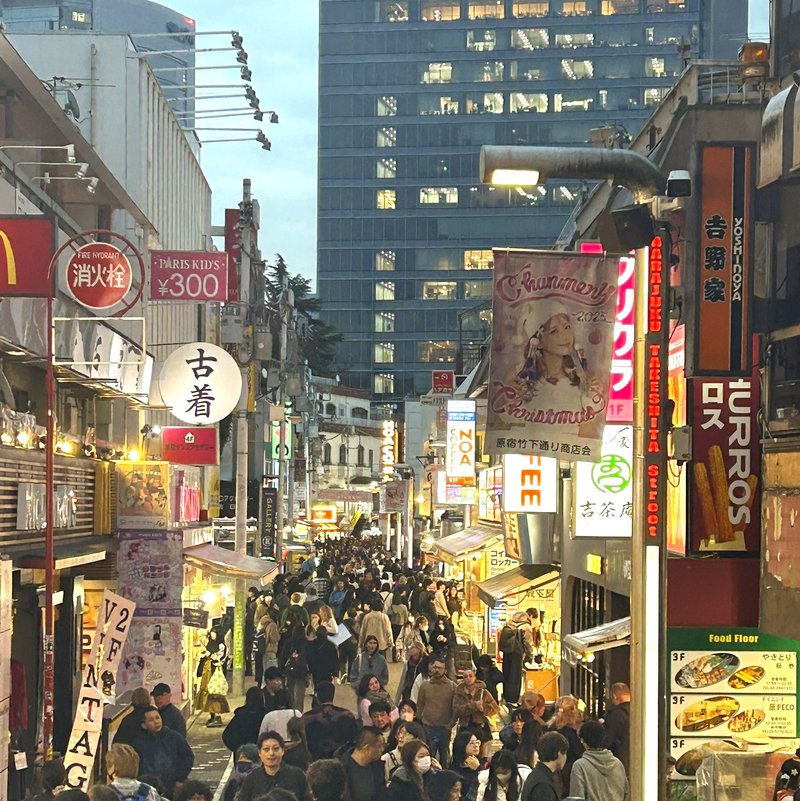
Yes, Tokyo’s stations are crowded. Especially during rush hour. Thousands of people move at the same time, often in complete silence. But what’s surprising is how little chaos there is.
No shouting. No pushing. No frantic energy. People walk fast, but they don’t collide. Everyone seems to know exactly where they’re going, and more importantly, how not to get in anyone else’s way.
On the first day, you mostly notice the crowd.
On the second day, you start noticing the order inside it.
This balance—density without disorder—is one of the most striking things about Tokyo’s transportation culture.
Transportation as a Reflection of Tokyo Itself
Understanding how transportation works in Tokyo is one of the fastest ways to understand the city as a whole. From the outside, it looks complex and intimidating. From the inside, it’s logical, rule-based, and surprisingly forgiving.
There are signs everywhere. Color codes actually mean something. Directions are consistent. You don’t need to ask for help every five minutes—the system quietly guides you if you let it.
The first day feels heavy because everything is new.
By the third day, you realize you’ve stopped checking the map as often.
Tokyo doesn’t demand perfection. It rewards patience.
The Most Important Lesson of Day One
Here’s the truth that makes everything easier:
You don’t need to understand everything.
Getting on the wrong train is not a disaster. Missing a stop is not a failure. The network is so dense and flexible that small mistakes rarely cost you more than a few extra minutes—and sometimes they lead you somewhere unexpectedly interesting.
Once this sinks in, fear slowly turns into curiosity.
And that’s when Tokyo starts to open up.
The Card We Bought in Kyoto Also Worked in Tokyo: How Transit Cards Really Work in Japan
Before arriving in Tokyo, one question kept bothering me:
“Do we need to buy a new transportation card for every city?”
We had already bought a transit card in Kyoto. It wasn’t the one everyone associates with Tokyo by name, so naturally, I assumed it might not work here. But on our first day in Tokyo, we tapped the card at the gate—and it worked instantly. No warning, no error, no confusion.
That moment alone removed a huge layer of stress.
In Japan, transit cards may carry different names depending on the region, but the system behind them is largely shared. For travelers, this means continuity. You’re not resetting your habits every time you change cities. Once you understand the logic, it follows you.
And that’s exactly what Tokyo’s transportation system does best: it looks fragmented, but it’s quietly unified.
Single Tickets vs. Transit Cards: What Actually Makes Sense in Tokyo?
Tokyo still offers single-use tickets, and technically, they work just fine. But for first-time visitors, they introduce unnecessary complexity. Ticket prices depend on distance, which means you need to know your route before you even step onto the platform.
On your first days in Tokyo, that’s a lot to ask.
With a transit card, all of this disappears. You tap in, you tap out, and the correct fare is calculated automatically. If you get off at the wrong station or ride one stop too far, it’s not a problem. The system adjusts.
That flexibility matters more than you expect—especially when you’re still learning how the city moves.
Does Google Maps Really Work in Tokyo?
Short answer: yes—remarkably well.
Google Maps in Tokyo doesn’t just tell you which line to take. It shows:
- which platform to use
- which train car might be more convenient
- which exit saves you the most walking
In massive stations, exit numbers make a real difference. Choosing the right one can save you ten minutes without even realizing it.
Of course, it’s not perfect. But Tokyo’s transit infrastructure and Google Maps seem designed for each other. For a first-time visitor, this creates something incredibly valuable: confidence.
You stop asking, “What if I mess this up?”
And start thinking, “I’ll figure it out if I do.”
Small Details That Quietly Make Everything Easier
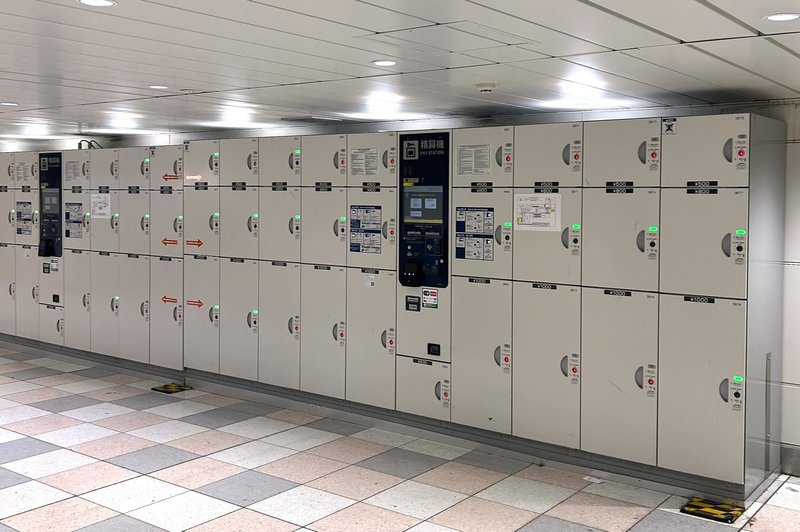
Tokyo’s transportation system isn’t just about trains—it’s about flow.
A few things become clear very quickly:
- Rush hour is real, and planning around it helps
- Large stations reward patience
- Some trains on the same line don’t stop at every station
- Walking is often just as important as riding
Tokyo encourages a rhythm where walking and transit complement each other. Sometimes, skipping one stop and walking gives you a better sense of the neighborhood than staying underground.
And if you make a mistake?
You step off, cross the platform, and keep going.
Mistakes here don’t punish you—they teach you.
When Practicality Replaces Fear
At some point, without noticing exactly when, the anxiety fades. You stop hesitating at the ticket gates. You glance at platform signs instead of studying them. You open the map less often.
Tokyo’s transportation system doesn’t become simple—but it becomes familiar.
And familiarity is what turns an intimidating city into an accessible one.
Once You Understand Transportation, the City Changes
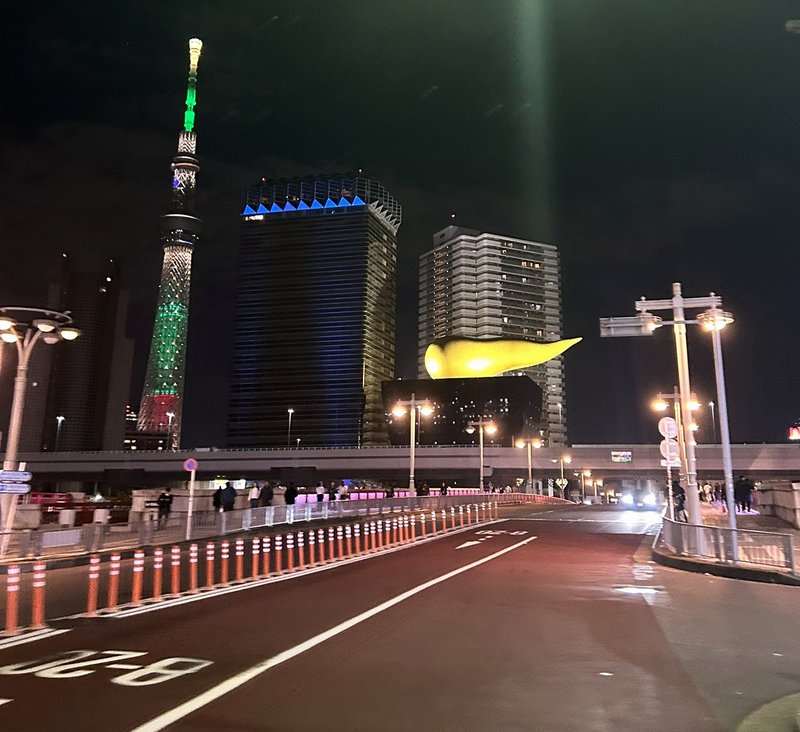
The moment Tokyo’s transportation system starts making sense, your relationship with the city shifts. Distances feel shorter. Neighborhoods feel closer. Places that once seemed “too far” suddenly become part of the same mental map.
On the first day, every journey feels like a small mission. By the third or fourth day, movement becomes automatic. You stop thinking in terms of routes and start thinking in terms of possibilities.
Transportation stops being an obstacle—and becomes freedom.
When Does the Fear Actually Disappear?
For most people, the fear fades quietly. There’s no dramatic moment when everything clicks. You just realize one day that you’re moving without hesitation.
You miss a stop and don’t panic.
You choose an exit without double-checking.
You walk confidently through stations that once felt overwhelming.
Tokyo doesn’t punish small mistakes. It absorbs them. And that’s why confidence grows faster than expected.
You don’t need to master the system.
You just need to trust it.
Transportation as a Way of Experiencing Tokyo
Tokyo is not a city designed to be consumed from one center. It’s a city experienced through movement. Each neighborhood has its own identity, rhythm, and scale, and transportation is what stitches these pieces together.
Once getting around feels easy, your days become more flexible. Plans loosen. Curiosity takes over. You follow instincts rather than schedules.
You stop “visiting” Tokyo—and start living inside it.
How This Article Fits into the Tokyo Series
This piece sits at the heart of the Tokyo series because transportation shapes everything else.
If your first impression of Tokyo feels overwhelming or strangely orderly, that tension is explored in Tokyo 1 – First Impressions of Tokyo: After Kyoto, Is Tokyo Chaos or Order?, where the city’s overall atmosphere sets the tone.
The question of whether Tokyo even has a true center—and why that matters—connects directly to transportation and is unpacked in Tokyo 2 – Getting Around Tokyo: Is There a City Center? Area-Based Travel Guide
Once transportation feels natural, food becomes more adventurous. Being able to move freely between neighborhoods makes it easier to step away from tourist-heavy areas, which is exactly what Tokyo 4 – Eating in Tokyo: Perfect Technique, Distant Experience focuses on.
And finally, where you stay in Tokyo only makes sense once you understand how the city moves. Neighborhood choice, convenience, and daily rhythm all come together in Tokyo 5 – Where to Stay in Tokyo? A First-Timer’s Neighborhood Guide.
Final Thoughts
Tokyo’s transportation system isn’t designed to impress—it’s designed to work. It doesn’t ask you to be perfect. It asks you to participate.
Once you stop fighting the complexity and let the system guide you, Tokyo reveals itself as one of the most accessible megacities in the world.
You don’t conquer Tokyo by memorizing train lines.
You understand it by moving through it.