Where to Stay in Tokyo? A First-Timer’s Neighborhood Guide
Choosing where to stay in Tokyo is one of the most confusing parts of a first visit. Not because accommodation is scarce or overpriced, but because Tokyo is often approached with the wrong mental model. Many travelers—especially those used to European cities—instinctively look for a “city center.” They open a map, find a dense area, book a hotel nearby, and assume the problem is solved. In Tokyo, this logic often leads to frustration.
This is not a “top hotels” list.
This article explains where to stay in Tokyo through the logic of neighborhoods, transport, and daily rhythm. The goal is to help first-time visitors understand where mistakes usually happen—and how to avoid them.
The Biggest Mistake When Choosing Where to Stay in Tokyo: Looking for a “Center”
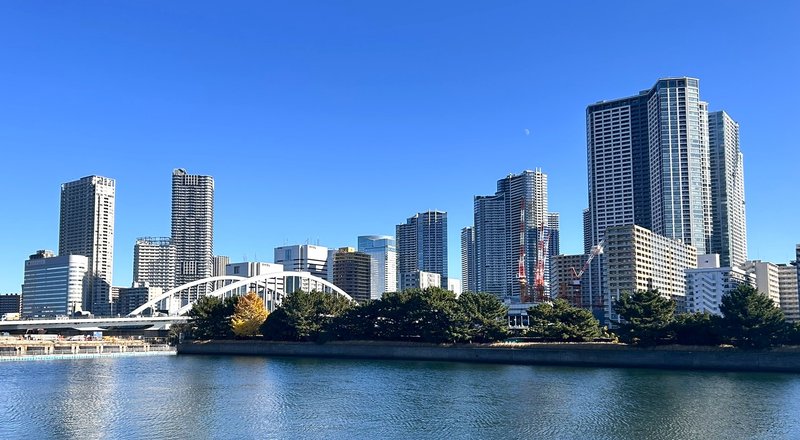
Tokyo does not have a single center. Shinjuku, Shibuya, Ginza, Ueno, Asakusa—on a map, all of them look central. But none of them function like a historic core in cities such as Paris or Rome, where everything radiates from one point.
Tokyo is a multi-core city. Each core has a different purpose, pace, and atmosphere. Some areas are lively at night and quiet during the day. Others are the opposite. Some feel overwhelming, others surprisingly calm.
That’s why asking “Where is the center of Tokyo?” is the wrong starting point. A better question is:
What kind of Tokyo do I want to experience every morning and every night?
What “Where to Stay in Tokyo” Actually Means
Most people are not really asking about the hotel itself. What they are trying to secure is:
- Easy mornings
- Manageable evenings
- Simple transport
- A city that feels navigable, not exhausting
In other words, they are asking about daily flow.
In Tokyo, staying in the wrong area doesn’t make transport impossible—but it makes it mentally tiring. You may technically reach everywhere, yet still feel drained by the end of each day. When the location is right, Tokyo suddenly feels organized and surprisingly calm.
The city doesn’t change. Your starting and ending point does.
The Three Most Common Accommodation Mistakes First-Time Visitors Make
- Choosing “Cheap but Disconnected” Areas
Some places look convenient on the map—close to a station, affordable, seemingly central. In reality, they require multiple transfers or long, crowded walks. Over several days, this adds unnecessary friction.
- Booking a Great Hotel in a Dead Area
Certain districts are lively only during business hours. In the evening, restaurants close early and streets empty out. Coming back at night and realizing there’s nowhere to eat nearby can be surprisingly frustrating.
- Deciding Based on Price Alone
Tokyo is expensive, but cheaper accommodation isn’t always a win. Saving a small amount of money can cost you an extra hour of daily travel and mental fatigue—which is often the real price.
What Actually Determines a Good Area to Stay in Tokyo: Train Lines
In Tokyo, train lines matter more than neighborhoods. Two hotels in the same district can offer completely different experiences depending on which station they’re near. A “10-minute walk” may sound short, but in Tokyo—through crowds, signage, and intersections—it often feels longer than expected.
A good base in Tokyo usually means:
- Few transfers
- Direct access to multiple areas
- Easy returns at night
Before asking “Which neighborhood?”, it’s smarter to ask:
Which lines can I reach easily from here?
Staying in Asakusa: Touristy, but Practical?
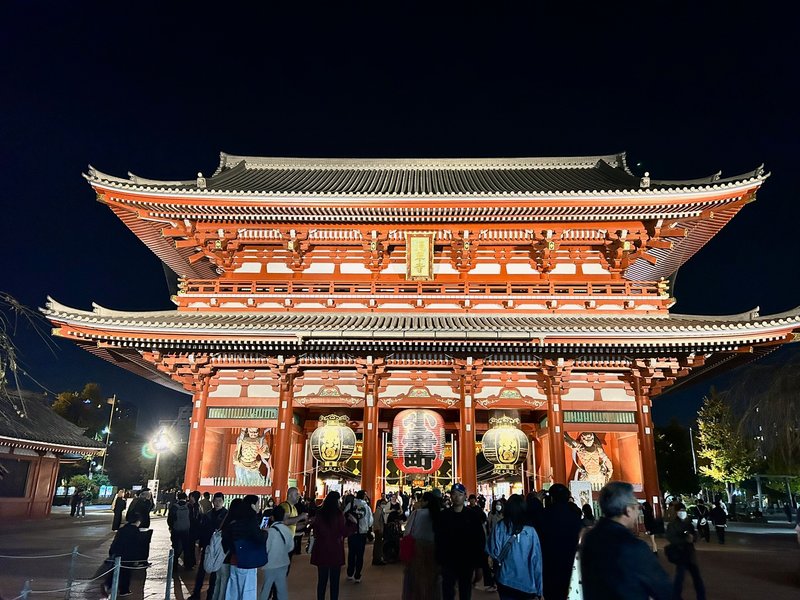
Asakusa is often dismissed as “too touristy,” but for first-time visitors, that’s not necessarily a disadvantage. It’s one of the most readable parts of Tokyo—easy to navigate, clearly structured, and calmer in the evenings.
I stayed at APA Hotel Asakusa Kaminarimon Minami, which perfectly illustrates the Tokyo business-hotel reality. The room was small and minimal—but:
- Station access was practical
- Daytime surroundings were lively
- Evenings were noticeably calmer
Asakusa isn’t ideal for nightlife seekers or those chasing Tokyo’s hyper-modern energy. But for first-timers who want a soft entry into the city, it offers a balanced and manageable starting point.
Neighborhood Types for First-Time Visitors
Listing neighborhoods doesn’t help much if you’ve never been to Tokyo. What does help is identifying what kind of traveler you are, and then choosing a base that matches your daily rhythm. The same area can feel perfect to one person and exhausting to another.
“This Is My First Time in Tokyo — I Want Easy Access Everywhere”
If this sounds like you, your main priority should be simple, low-friction transportation. You’ll be out all day, moving between different parts of the city, and the last thing you want is complicated transfers or long station walks at the start and end of each day.
For this profile, popularity isn’t automatically a downside. Areas that are well connected, clearly signed, and heavily used by visitors often make the learning curve much easier. The goal isn’t to avoid crowds at all costs—it’s to avoid mental overload.
“I Want the City to Feel Alive When I Go Out at Night”
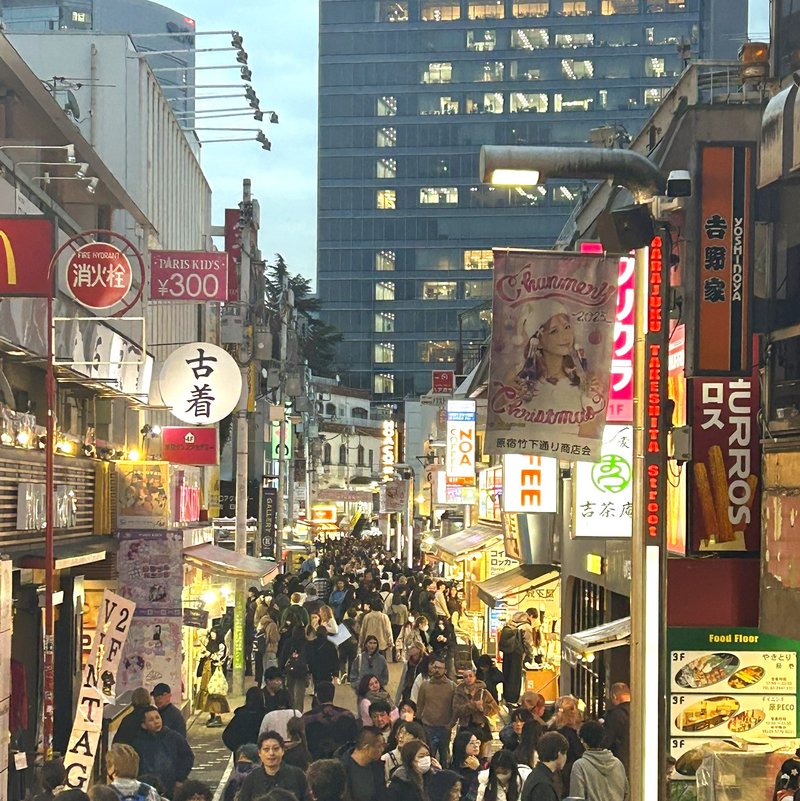
Some travelers don’t see the hotel as just a place to sleep. They want to step outside and immediately feel Tokyo’s energy—restaurants, bars, people, noise, movement. For this profile, evenings matter as much as sightseeing.
These areas tend to be:
- Busy
- Loud
- Expensive
They offer atmosphere, but at a cost. Rooms are smaller, streets are crowded, and quiet is rare. If nighttime energy excites you, this trade-off makes sense. If you value rest, it can quickly become draining.
“I Want Calm Evenings After Busy Days”
Tokyo is intense during the day. For some, the ideal end to that intensity is quiet streets and a slower pace. These neighborhoods don’t necessarily feel empty, but they wind down early and feel more residential.
The trade-offs are clear:
- Fewer late-night food options
- Less visible nightlife
- A calmer, more predictable environment
For travelers who process cities slowly or get overstimulated easily, this kind of base can make Tokyo far more enjoyable.
“I’m Coming from Kyoto and Want a Soft Transition”
Many visitors arrive in Tokyo directly from Kyoto. The contrast can be jarring. Tokyo feels faster, louder, and more visually demanding. In this case, the problem isn’t Tokyo—it’s how abruptly you enter it.
Choosing a more structured, readable neighborhood helps ease that transition. Areas with a clearer layout and a slower evening rhythm can act as a buffer, allowing you to adjust before diving into Tokyo’s more chaotic cores.
The Reality of Tokyo Business Hotels: Setting the Right Expectations
One of the most misunderstood aspects of staying in Tokyo is the concept of the business hotel. These hotels are designed for efficiency, not leisure:
- Rooms are compact
- Design is minimal
- Comfort is functional, not luxurious
This isn’t a flaw—it’s a philosophy. Tokyo expects you to spend your time outside, not in your room. The problem arises when visitors expect space and amenities similar to Western hotels.
Before booking, it’s worth asking yourself:
- How much time will I actually spend in the room?
- Do I need space, or just a clean, reliable place to sleep?
For many first-time visitors, a business hotel works perfectly—as long as expectations are aligned.
Is Staying in a Touristy Area Always a Mistake?
There’s a common rule among travelers: never stay in touristy areas. In Tokyo, this rule isn’t universally valid. Some tourist-heavy districts are:
- Easy to navigate
- Well connected
- Helpful during the first few days
Especially at the beginning of a trip, this simplicity can reduce stress significantly.
The downside is also real:
- Fewer local experiences
- Less neighborhood authenticity
The key point is this: staying in a tourist area isn’t the mistake—expecting it to feel local is.
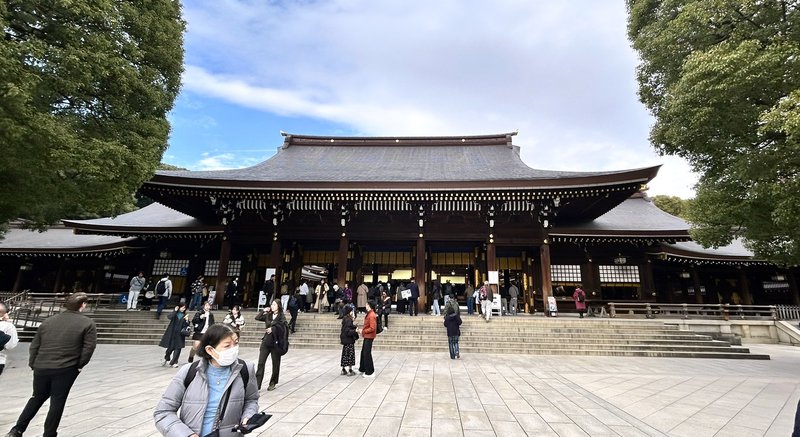
Same City, Different Base, Completely Different Experience
Two people can follow the same itinerary, visit the same sights, and still walk away with completely different impressions of Tokyo. Often, the difference comes down to where their day begins and ends.
Accommodation in Tokyo isn’t just a logistical decision. It shapes how heavy or light the city feels, how quickly you tire, and how much you enjoy the flow of each day.
How Long You Stay Changes Everything: Choosing the Right Base in Tokyo
In Tokyo, accommodation decisions become more critical as your stay gets longer. The same neighborhood can feel efficient for two days and exhausting for a week. That’s why where to stay should always be considered together with how long you’re staying.
Staying 2–3 Nights
If your time in Tokyo is short, one hotel is almost always the right choice. Moving hotels costs time, energy, and attention—resources you don’t have much of on a brief visit.
For short stays, prioritize:
- Easy navigation
- Simple transport connections
- A location that helps you orient yourself quickly
The goal isn’t to fully understand Tokyo. It’s to experience it without friction.
Staying 4–5 Nights
This is the point where Tokyo starts to feel familiar. You’ll likely explore different parts of the city on different days, which makes returning easily at night more important than being close to any single attraction.
At this length:
- Staying in one hotel still makes sense
- Neighborhood choice becomes more strategic
- Bad location choices start to feel physically tiring
A well-chosen base at this stage makes Tokyo feel smooth and efficient rather than overwhelming.
Staying One Week or More
For longer stays, two approaches can work equally well:
- Staying in one location and building routine
- Splitting your stay between two areas
Splitting accommodation only makes sense if the second location is chosen intentionally—not just for variety. The benefit comes from experiencing different rhythms of the city, not from changing hotels for the sake of change.
If the second move doesn’t clearly improve your experience, it usually isn’t worth it.
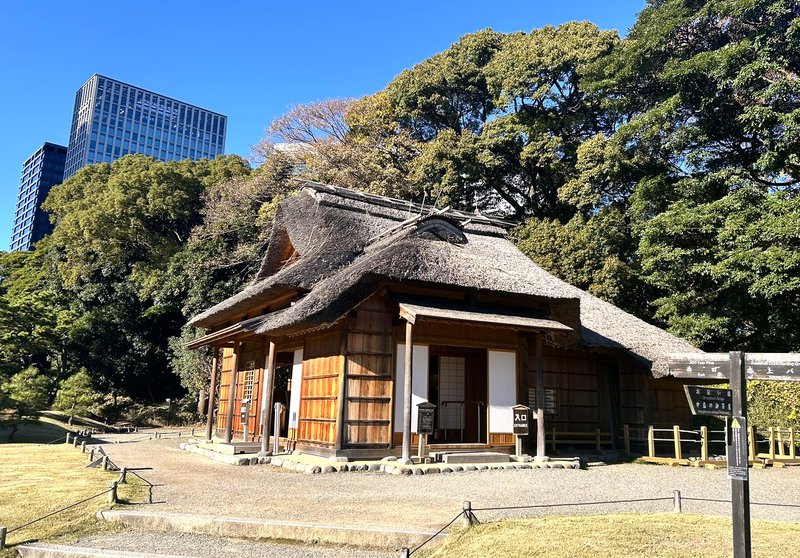
One Hotel or Split Stay?
There’s no universal rule—but there are good indicators.
One hotel works best if:
- Your stay is short
- Your itinerary is dense
- You value simplicity and predictability
Splitting your stay works best if:
- You’re staying longer
- You want to experience different sides of Tokyo
- You’re comfortable navigating the city
Changing hotels in Tokyo isn’t difficult—but it is mentally taxing. Do it only if the benefit is clear.
The Short, Honest Answer to “Where Should I Stay in Tokyo?”
There is no “best” neighborhood in Tokyo.
There is only the right match between expectations and location.
You can stay in a technically perfect area and still feel disappointed if your expectations are wrong. On the other hand, a modest, well-chosen location can make Tokyo feel surprisingly calm and manageable.
Tokyo isn’t difficult.
It just becomes difficult when it’s approached with the wrong assumptions.
How This Article Fits into the Tokyo Series
Where you stay in Tokyo doesn’t exist in isolation—it connects directly to how you experience the city. If you want a clearer, more complete picture, these articles are designed to be read together:
- Tokyo1 – First Impressions of Tokyo: After Kyoto, Is Tokyo Chaos or Order?
Why Tokyo feels overwhelming at first—and what actually causes that feeling. - Tokyo2 – Getting Around Tokyo: Is There Really a City Center?
How the city is structured and why sightseeing works in clusters, not around a core. - Tokyo3 – Transportation in Tokyo: Intimidating or Overhyped? A First-Time Visitor’s Guide
Understanding trains, lines, and cards—and why transport changes everything. - Tokyo4 – Eating in Tokyo: Perfect Technique, Distant Experiences
How neighborhood choice directly affects your food experience.
Read together, these pieces turn Tokyo from a confusing megacity into a city with a clear internal logic—one that becomes much easier to enjoy.