
Getting Around Prague: Metro, Trams & Walking Explained
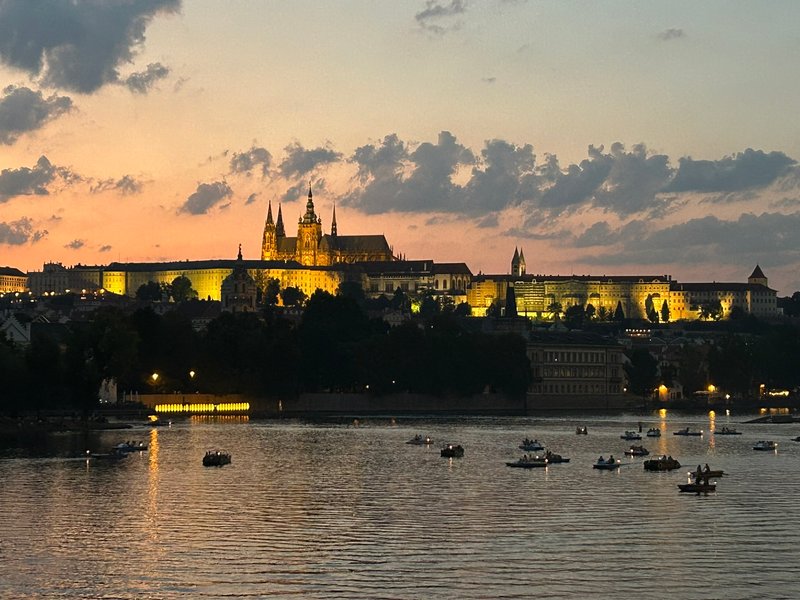
Before Understanding Transport in Prague: Understand the City First
At first glance, getting around Prague can feel confusing. Tram lines criss-cross the map, metro routes cut through the city, and the historic center looks like a maze of narrow streets. But here’s the truth: you don’t need to memorize Prague’s transport system. Once you understand how the city works, everything falls into place naturally.
Public transport in Prague is designed primarily for locals, not tourists. That’s why the instinct to “use the metro for everything” often doesn’t work here. The metro in Prague is not an experience — it’s a tool. The real city lives above ground.
The historic core — Old Town, Charles Bridge, Lesser Town — is compact and walkable by design. The transport system supports this logic: walk in the center, use trams to move through the city, and take the metro only when distances get long. Once this mental model clicks, getting lost in Prague becomes almost impossible.
This guide won’t ask you to memorize line numbers or stops. The goal is simpler: by the time you finish reading, you’ll instinctively know whether to walk, take a tram, or hop on the metro. And that’s when Prague truly starts to make sense.
Walking in Prague: The Best Place to Start
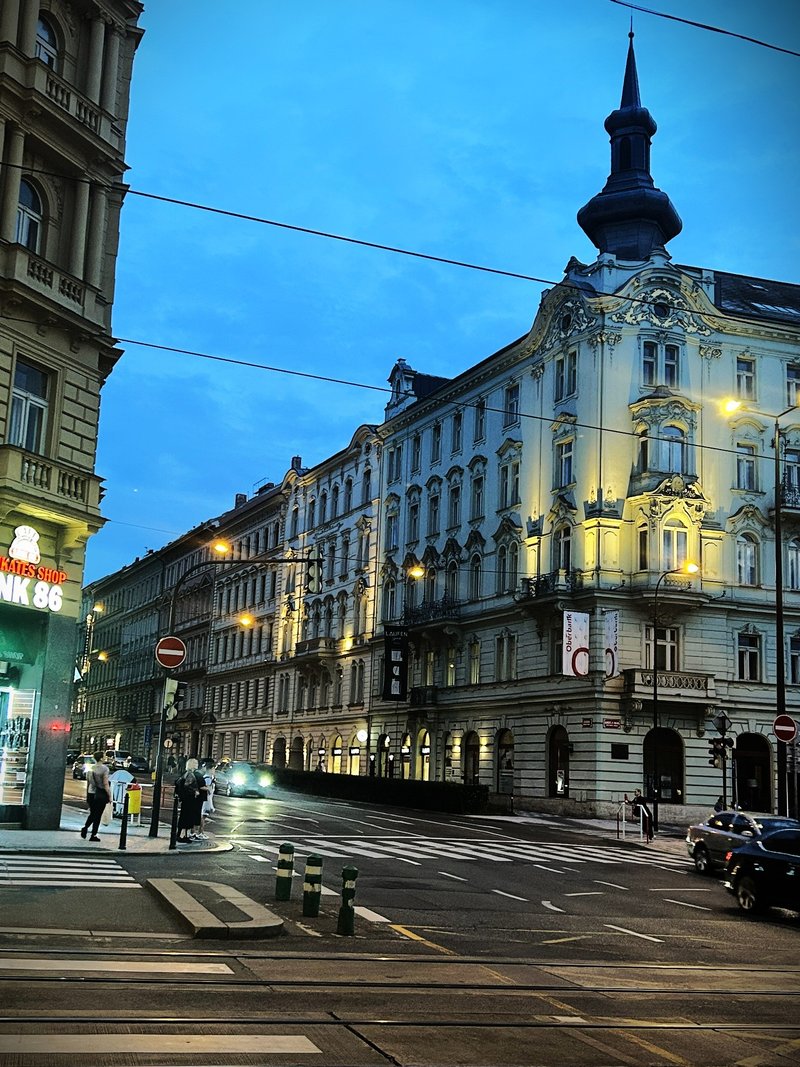
Understanding Prague begins on foot. Walking here isn’t just an option — in the city center, it’s often the best decision you can make. The area stretching from Old Town to Charles Bridge and into Lesser Town feels as if it was built to be explored step by step.
On the map, distances may look short — five or ten minutes between sights. But in Prague, walking is never just about getting from point A to point B. A small square, a hidden street, a café you didn’t plan to stop at — these moments turn a simple walk into part of the experience. That’s why the “fastest route” on Google Maps is rarely the best one.
Walking also helps you read the city. You begin to notice how tram lines connect neighborhoods, how bridges shape movement, and how squares act as natural meeting points. This awareness makes every later transport choice easier.
Of course, you don’t need to walk everywhere. Cobblestones and hills — especially in Lesser Town — can be tiring. But for first-time visitors, starting on foot is the most natural way to build a sense of orientation. Prague reveals itself best to those who walk.
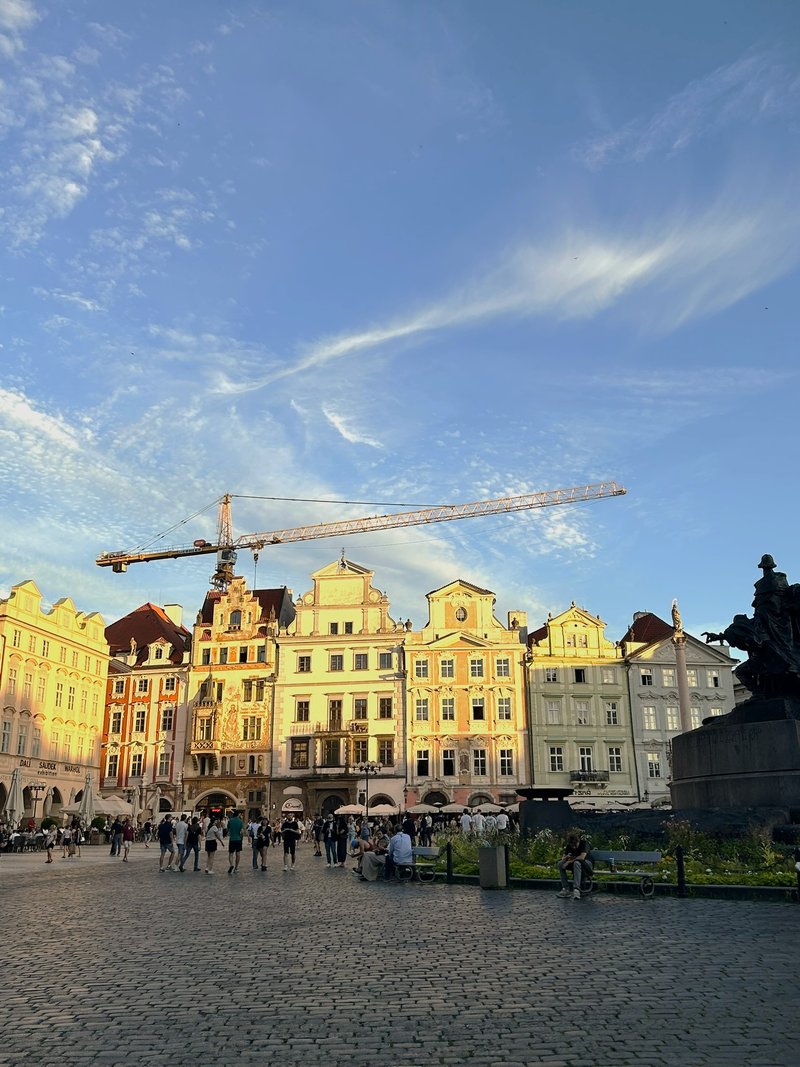
Trams: The Heart of Prague’s Transport System
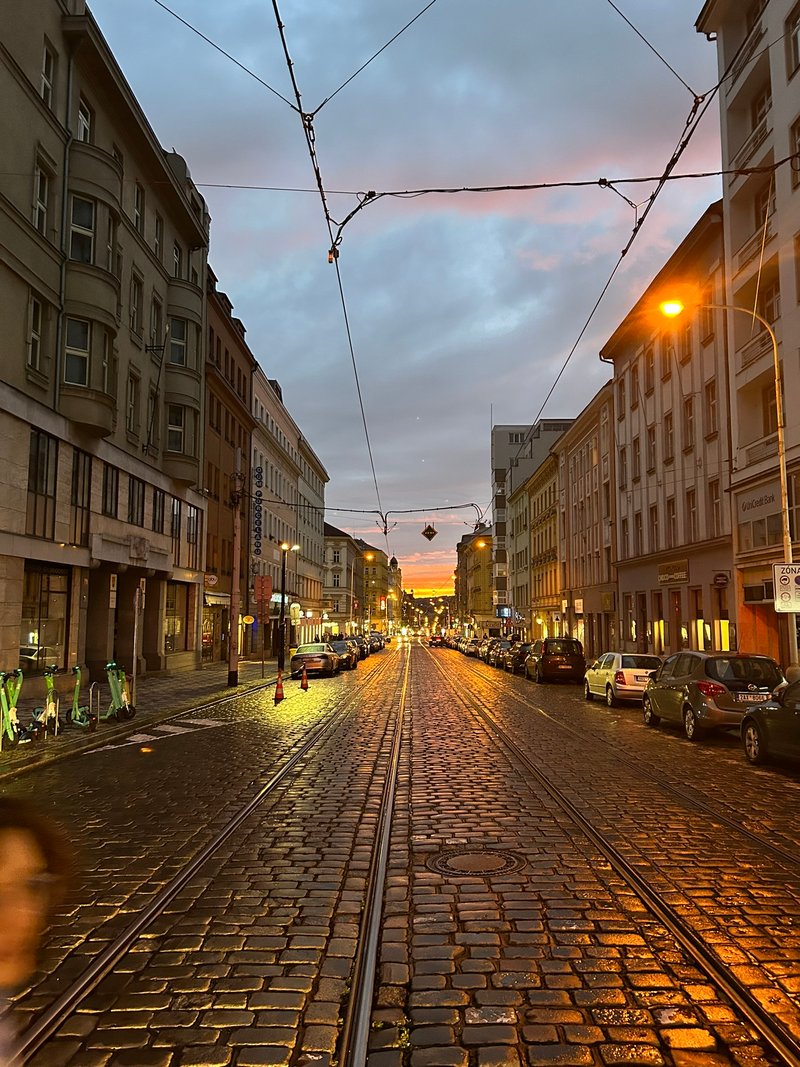
If Prague had a signature mode of transport, it would be the tram. The metro is efficient and fast, but trams carry the city’s character. They move through Prague instead of beneath it, keeping you connected to your surroundings.
One of the tram’s biggest advantages is spatial awareness. You always know where you are. You see the building you passed a stop ago, recognize a square you crossed earlier, and understand how neighborhoods flow into each other. Unlike the metro, trams don’t disconnect you from the city — they reinforce your sense of place.
For visitors, trams are also forgiving. Stops are frequent, and getting off one stop too early or too late is rarely a problem. Even if the network looks complex at first, the system is logical and easy to adapt to.
Using trams in Prague isn’t just about transportation. It’s about moving through the city while still experiencing it. If time isn’t an issue, choosing the tram over the metro often makes your day richer, not slower.
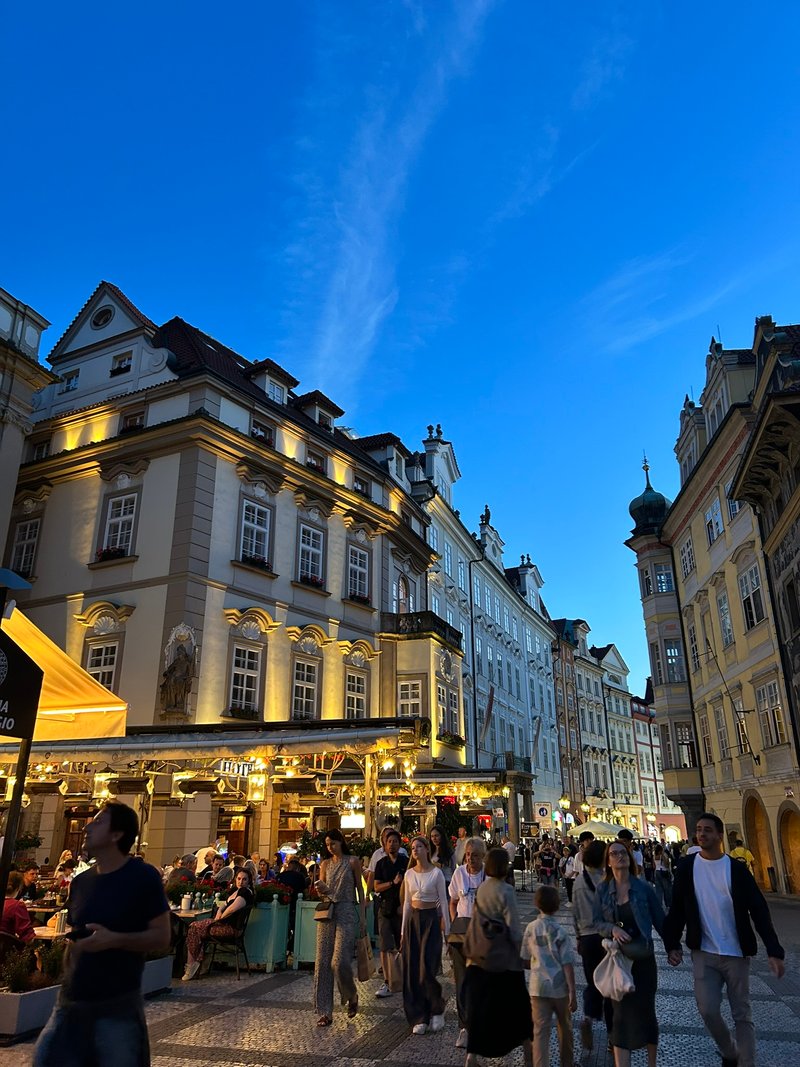
The Metro: When It’s Useful — and When It Isn’t
Prague’s metro is fast, clean, and reliable. But one of the most common mistakes first-time visitors make is assuming the metro is the main way to explore the city. In reality, the metro exists to move people efficiently, not to show you Prague.
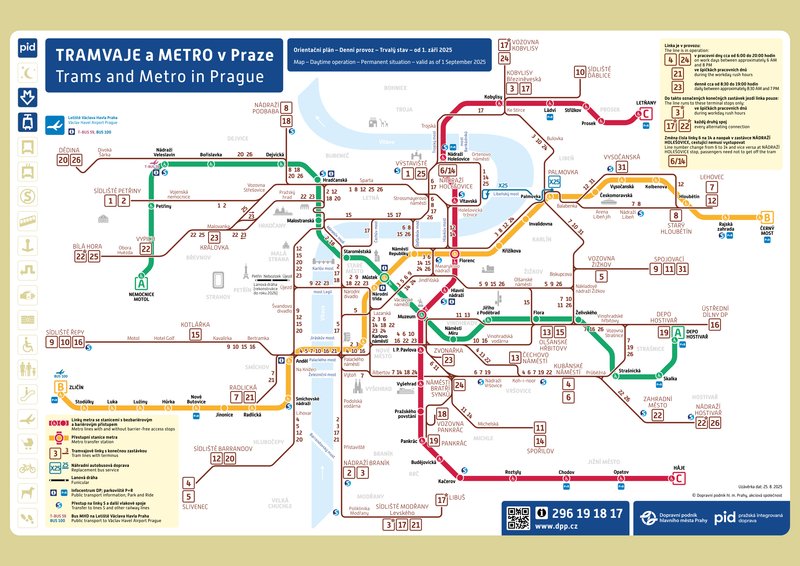
The system consists of three main lines that primarily connect residential areas with the city center. This makes the metro ideal for longer distances, but often unnecessary for short trips within central Prague. Taking the metro for nearby locations can actually pull you away from the city’s rhythm.
The metro makes sense when:
- Your accommodation is far from the center
- You need to cross the city quickly
- You’re tired at the end of the day and distance matters
Outside of these situations, using the metro out of habit often reduces the experience. Going underground means losing visual context, and in Prague, context is everything.
Think of the metro as a support tool — excellent when needed, but not something to rely on by default.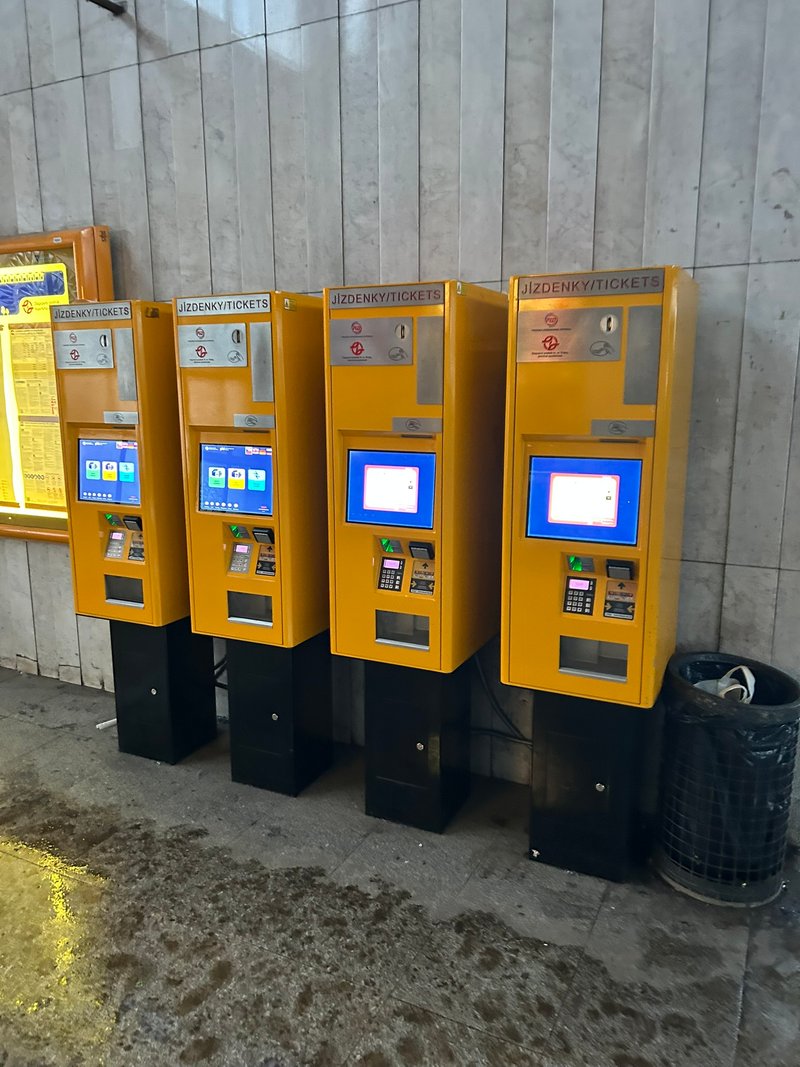
The Ticket System: One Ticket, the Entire City
One of the most convenient aspects of Prague’s public transport is its integrated ticket system. A single ticket works across trams, the metro, and buses. There’s no need to buy different tickets for different vehicles.
Tickets are based on time, not distance. Once validated, you can transfer freely between modes within the ticket’s validity period. This removes the stress of counting stops or planning every move in advance.
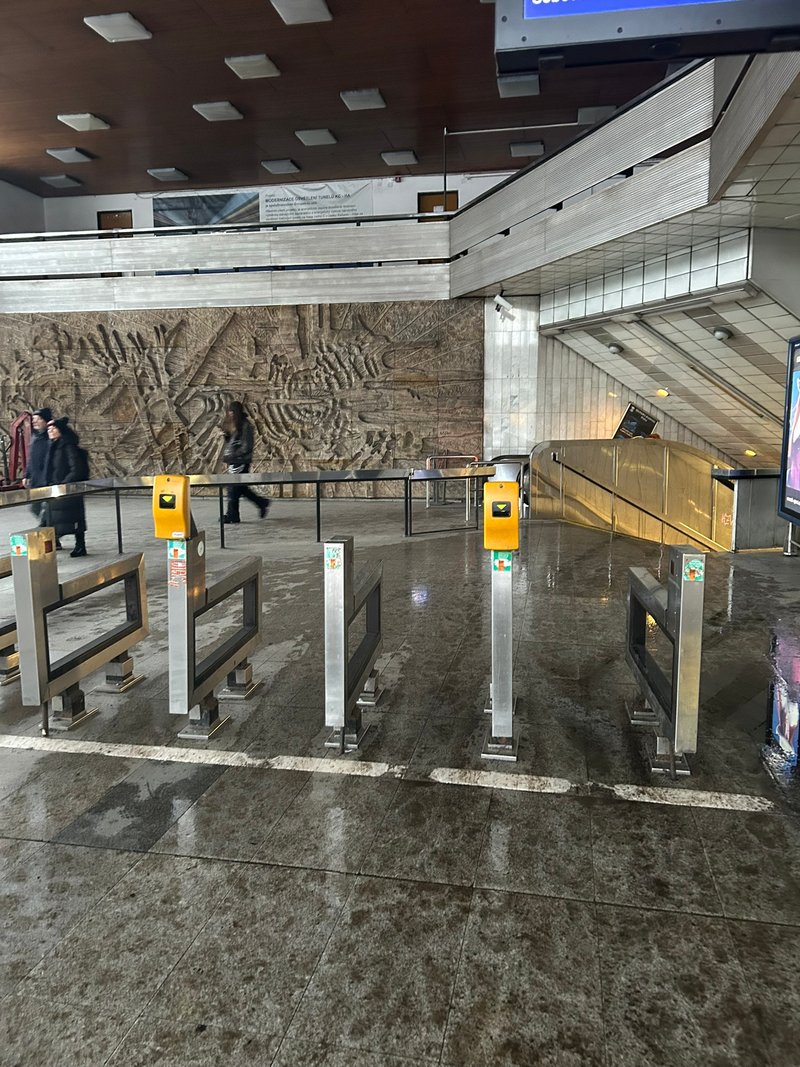
There are no turnstiles in Prague’s transport system. This can be surprising for visitors used to gated metro systems. However, the absence of barriers doesn’t mean the absence of control. Inspections are regular, and having a valid ticket is essential.
Common mistakes include:
- Forgetting to validate the ticket
- Exceeding the time limit
- Assuming inspections won’t happen
The key rule is simple: validate your ticket correctly, then stop thinking about transport and start looking around.
Walking, Tram, or Metro? A Simple Way to Decide
You don’t need complex planning to move around Prague. A simple mental checklist works in almost every situation.
- If you’re in the historic center → Walk
- If you want to move and still experience the city → Take the tram
- If the distance is long or time is limited → Use the metro
This logic removes hesitation. Even when you make a less-than-perfect choice, Prague doesn’t punish you for it. Get off a stop early, walk a little, adjust your direction — the city is forgiving.
Treat transport as part of the journey, not a race to the destination. The less you rush, the more Prague gives back.
Common Transport Mistakes in Prague
Even though Prague’s transport system is visitor-friendly, first-time travelers tend to repeat a few common mistakes — most of which are easy to avoid once you’re aware of them.
The most frequent mistake is relying too heavily on the metro. While it’s efficient, it keeps you disconnected from the city above ground. In Prague, movement is part of the experience, and staying underground too often means missing it.
Another mistake is avoiding walking. Distances may seem longer than they are, and tram lines can look tempting, but many of Prague’s best moments happen between destinations. Walking often reveals the city’s rhythm in ways no transport line can.
Ticket-related errors are also common. Forgetting to validate a ticket or exceeding its time limit can lead to unnecessary fines. Prague’s system operates on trust, but enforcement is real and consistent.
Finally, treating transport as a way to save time rather than as part of the journey can work against you. Prague rewards curiosity and patience. Rushing usually means seeing less, not more.
A First-Timer’s Prague Transport Checklist
If you want to keep things simple, this checklist covers everything you need to know:
- Walk whenever you’re in the city center
- Use trams for movement with views and orientation
- Take the metro only for longer distances
- Remember that one ticket works across all public transport
- Always validate your ticket correctly
- Don’t worry about getting off at the wrong stop — Prague is easy to recover in
- Treat transport as part of the experience, not a hurdle
Save this list for your first day — it’s more than enough.
Final Thoughts: Transport in Prague Is an Experience, Not a Problem
Getting around Prague doesn’t have to be stressful. Once you understand the city’s rhythm, transport becomes intuitive. Every step you take, every tram stop you pass, and every metro ride you use when needed helps reveal a different layer of the city.
You don’t need complex plans to navigate Prague — just trust the flow. Slow down, look around, and move with the city instead of against it. Prague rarely disappoints those who let it guide them.
If you’re also deciding where to stay in Prague or looking for walkable routes through the city, you’ll find detailed guides on Wanderoria that build naturally on this transport logic.