Eating & Drinking in Kyoto: Experiences, Traps, and Honest Notes
Sitting at the Table Without Understanding Kyoto’s Food Culture
Kyoto is not the place where Japanese cuisine tries to impress you at first bite. In fact, it often does the opposite. Food here is not designed as a performance; it’s treated as a quiet ritual. If you arrive with the expectation of bold flavors and instant excitement, you may leave the table feeling oddly underwhelmed.
Many travelers come to Kyoto carrying Tokyo or Osaka expectations—rich flavors, strong seasoning, dramatic contrasts. What they encounter instead is something much more restrained. The food isn’t bad. It’s carefully balanced, subtle, and intentionally understated. And that difference matters.
During my first meals in Kyoto, I kept thinking the same thing:
The food is fine… but it doesn’t demand attention.
That realization is key. Kyoto’s cuisine isn’t about being memorable in a loud way. It rewards those who are willing to slow down and lower their expectations of excitement.
So this article isn’t a list of “what to eat” or “best restaurants.”
It’s an attempt to answer a different question:
Where, when, and with what mindset does eating in Kyoto actually work?
Street Food in Kyoto: It Exists, Just Not the Way You Imagine
Before you think of Kyoto as a street-food city, it helps to reset that idea completely. This is not Osaka. Street food here isn’t meant to fill you up, entertain you, or overwhelm you.
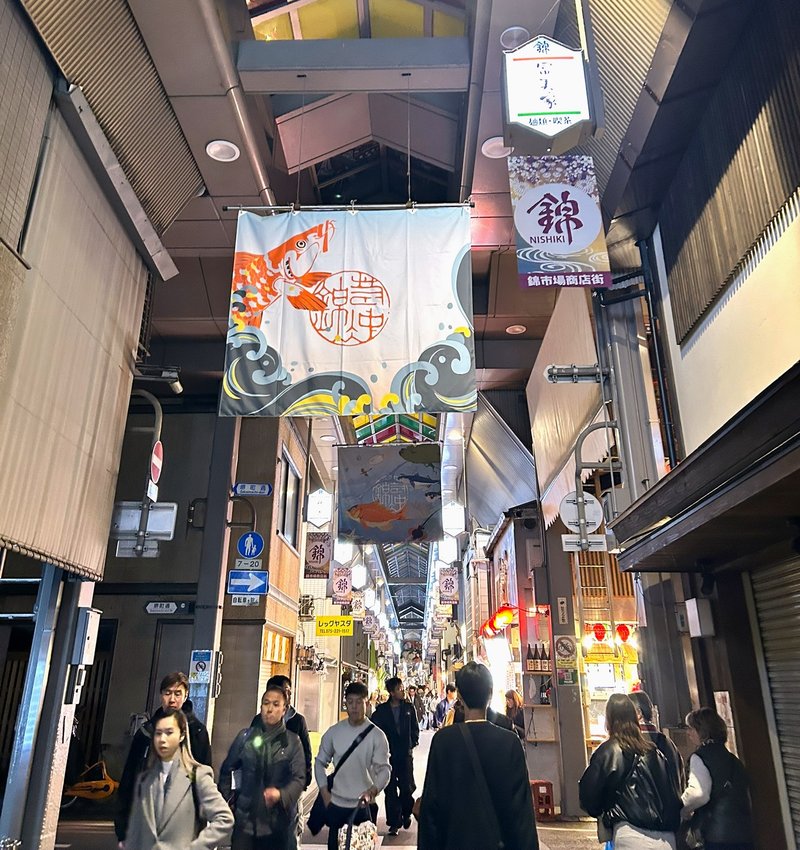
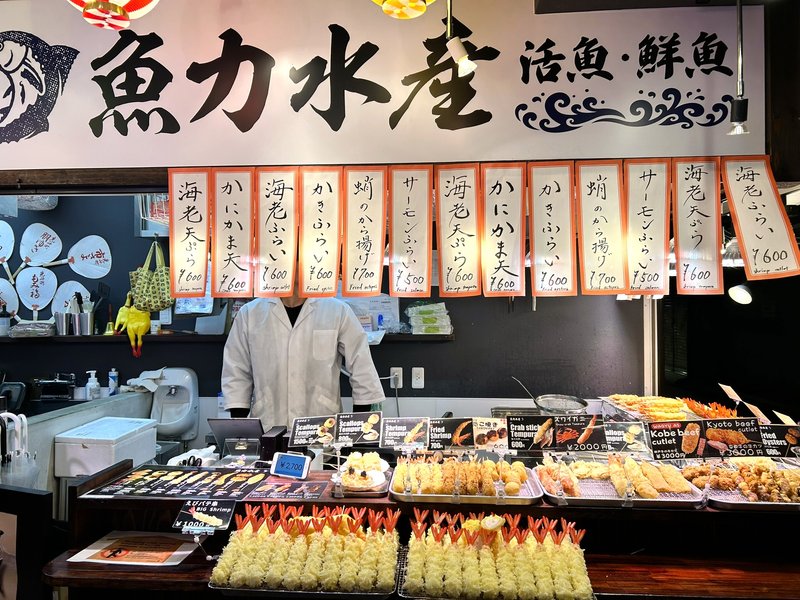
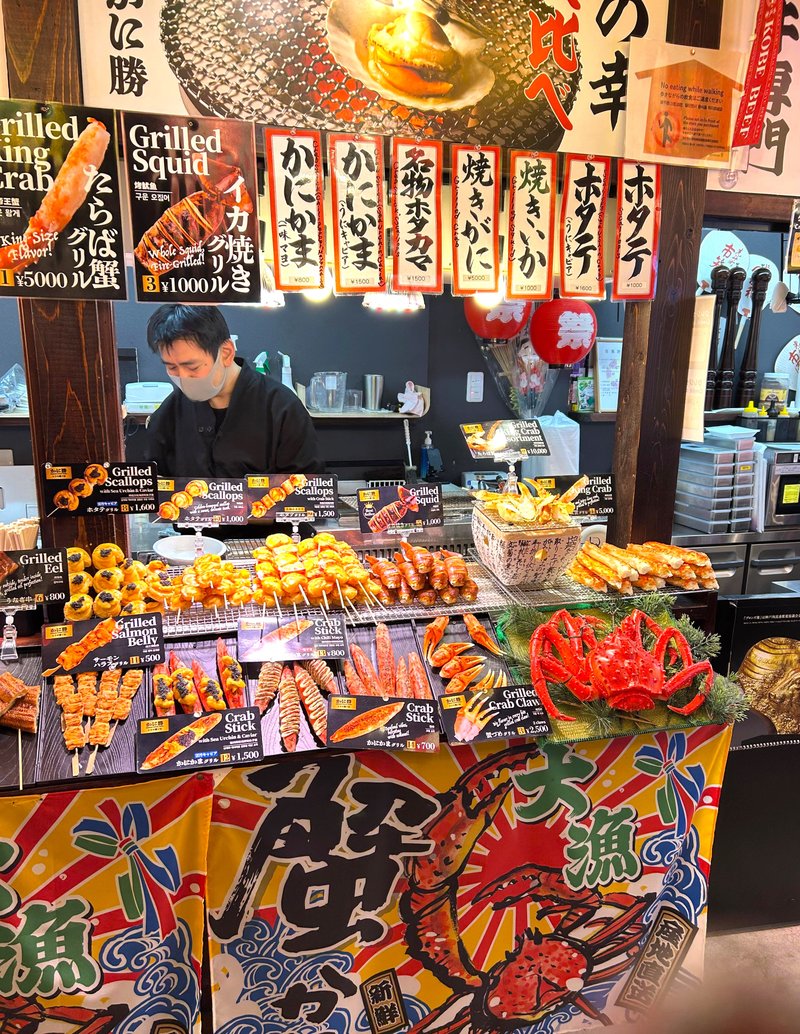
The clearest example of this is Nishiki Market. Often described as “Kyoto’s kitchen,” it’s one of the city’s most visited food spots—and also one of the easiest places to misread.
At Nishiki Market, you’ll find:
- Endless small bites
- Plenty of tasting portions
- Visually appealing food everywhere
What you won’t find is a satisfying, sit-down street-food meal. This is a place designed for sampling, not settling. If you arrive hungry and expect to eat one proper meal, disappointment is likely. If you come curious, moving from stall to stall, the experience makes much more sense.
My own frustration here came from mismatched expectations. I wanted to stop and eat. Nishiki expects you to keep moving.
The right approach is simple:
- Don’t come starving
- Treat it as tasting, not dining
- Don’t ask yourself if you’d eat the same thing again
In Kyoto, many food experiences are meant to happen once—and that’s perfectly fine.
A Short Pause Before Moving On
By this point, something becomes clear:
Kyoto doesn’t try to please you through food.
It doesn’t chase your approval or try to stand out. Everything is quieter, more reserved, and occasionally distant. If you accept that tone, the next layer—small local restaurants and simple meals—starts to make much more sense.
Small Restaurants, Quiet Wins: Where the Best Experiences Are Hidden
Some of the most satisfying meals I had in Kyoto came from places that barely tried to attract attention. No large signs, no lines outside, no promises of being “authentic.” Just small, quiet restaurants tucked into side streets, doing their thing without explanation.
These places often share a few traits:
- They’re modest in size
- The atmosphere is calm, sometimes almost silent
- The menu is entirely in Japanese
- Nothing feels designed for tourists
At first, the lack of an English menu can feel intimidating. In Kyoto, though, that’s rarely a bad sign. Ordering without fully understanding every detail isn’t a gamble here—it’s part of the experience. You point, you trust, and you move on.
Lunch is where this approach works best. Set meals (teishoku) are common, balanced, and surprisingly satisfying. Portions aren’t large, flavors aren’t aggressive, but everything feels intentional. More than once, I left the table thinking:
I don’t need to come back—but I’m glad I ate here.
That feeling comes up a lot in Kyoto. The food doesn’t chase loyalty. It offers a moment and then lets you go.
The further you walk away from areas like Gion, the more relaxed these meals become. Fewer expectations, less performance, and a much better chance of enjoying what’s actually on the plate.
Matcha, Desserts, and the Line Between Quality and Overhype
Matcha is everywhere in Kyoto—and that’s both its strength and its problem.
The first time is usually memorable: the color, the bitterness, the ceremony around it. The second and third time, the differences start to blur. After a while, it’s easy to feel like you’re repeating the same experience with slightly different packaging.
Kyoto’s matcha and dessert culture works best when you treat it as a pause, not a goal. One intentional stop is often enough. Chasing every famous matcha spot usually leads to fatigue rather than delight.
For me, the issue wasn’t quality. Many of these desserts are well made. The problem was expectation. When everything is presented as special, nothing feels truly distinct.
A few rules helped:
- One matcha a day is plenty
- Desserts work better as rituals, not rewards
- Long lines rarely improve the experience
In Kyoto, subtlety matters. Overconsumption dulls it quickly.
Food Traps in Kyoto: Where Caution Helps
It’s genuinely hard to find bad food in Kyoto. But it’s very easy to find meals that don’t justify their price or reputation.
The most common pitfalls tend to appear:
- Around major temples
- Near heavily trafficked sightseeing routes
- At places leaning too hard on the word “traditional”
Areas surrounding Kiyomizu-dera are a good example. The food isn’t terrible—but it often feels rushed, overpriced, and interchangeable. Walk ten minutes away, and the same dish suddenly feels calmer and more honest.
Online ratings don’t always help here. A high score may simply mean “acceptable” rather than special. In Kyoto, the real goal isn’t excellence—it’s appropriateness. Food that fits its setting and mood matters more than food that tries to impress.
Hours, Rhythm, and the Evenings That Don’t Quite Work
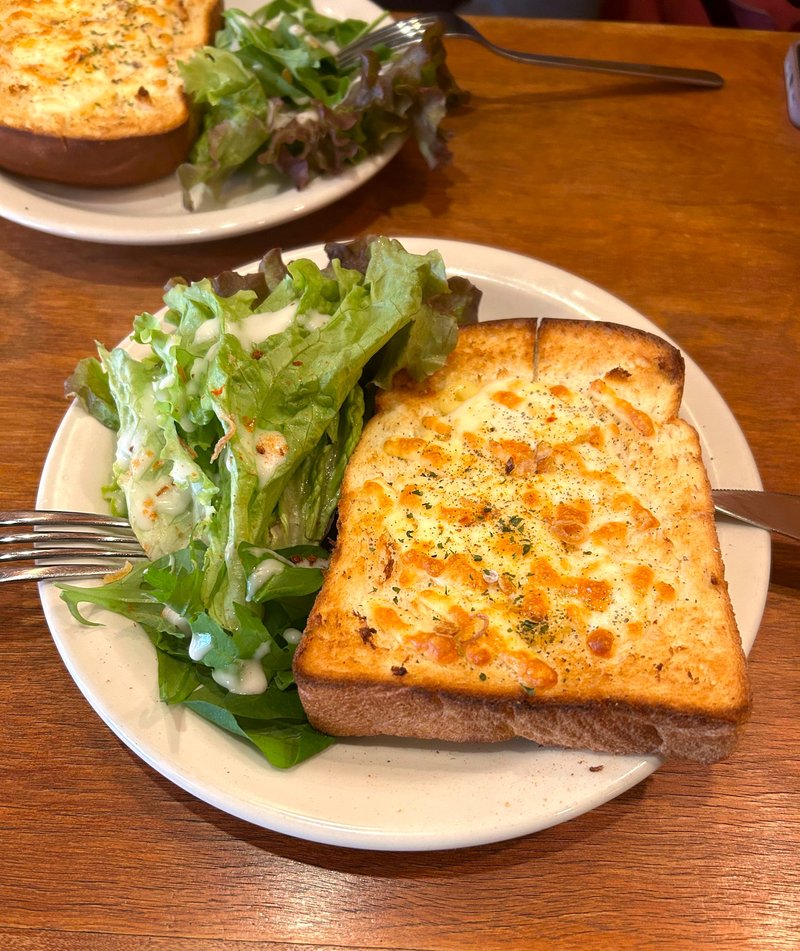
One of the easiest ways to feel frustrated in Kyoto is to plan dinner the same way you would in other cities. Late dinners, spontaneous plans, or “we’ll figure it out after sightseeing” often don’t translate well here.
Many small restaurants:
- Close between lunch and dinner
- Stop taking new customers earlier than expected
- Require reservations for evening service
A few of my evenings ended with more walking than eating. Not because food was unavailable, but because the window had quietly closed. This isn’t a failure of planning as much as a mismatch of rhythm.
Kyoto’s food day makes more sense when you flip your priorities:
- Treat lunch as the main meal
- Keep evenings light and early
- Accept that some nights are better for tea than dinner
Once I stopped forcing dinner to be a “moment,” things felt calmer.
Eating Alone, Silence, and Comfort
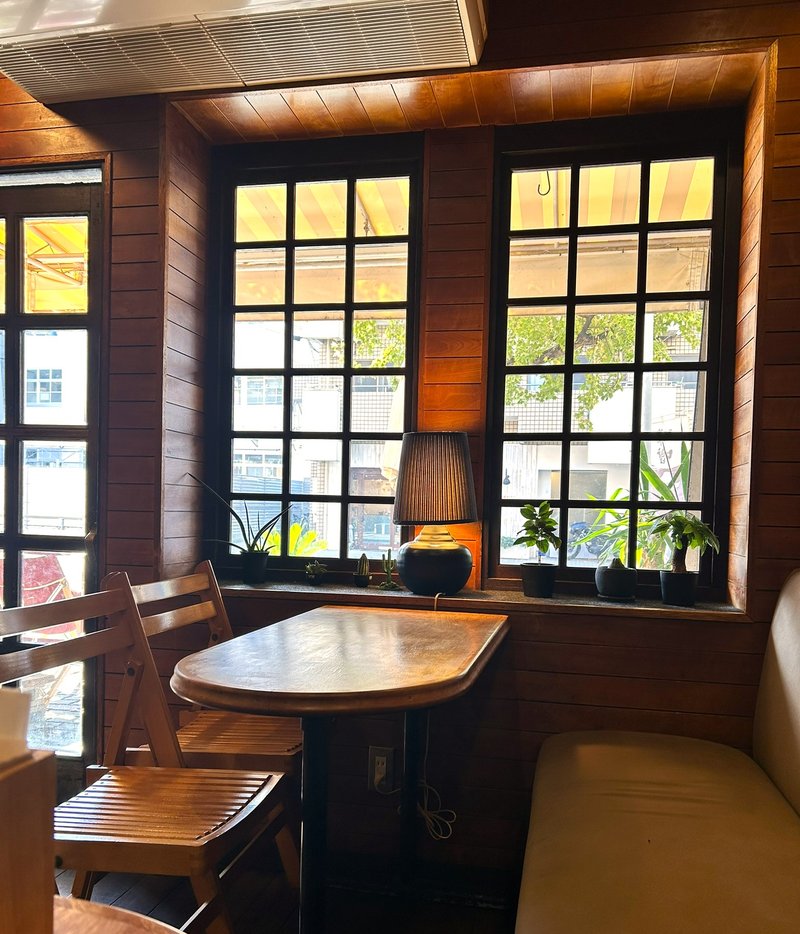
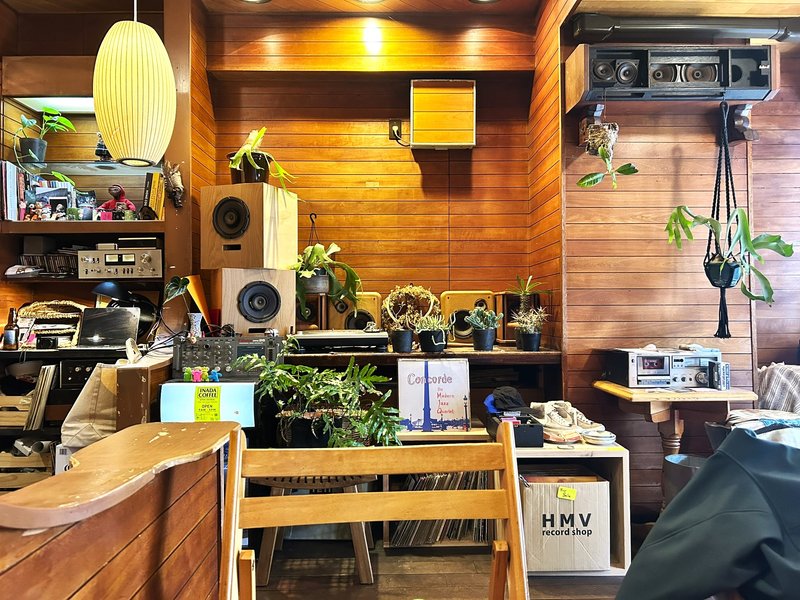
Kyoto is an unusually comfortable city for solo dining. Counter seating, small rooms, and a general respect for quiet make eating alone feel natural rather than awkward.
No one:
- Asks why you’re alone
- Tries to engage you in conversation
- Rushes you out
This turns meals into personal pauses instead of social events. After long walking days, that silence often mattered more than the food itself. Especially in smaller places, the act of eating becomes a reset, not a highlight.
Practical Notes That Actually Matter
A few grounded reminders that helped me avoid unnecessary friction:
- Reservations matter more at night than at lunch
- Cash is still useful, especially in smaller places
- No English menu isn’t a warning sign
- Long lines don’t guarantee a better experience
- Food near major sights should be approached lightly
If you don’t feel the urge to return to a place, that’s normal here. Kyoto doesn’t build habits around food the way some cities do.
Final Thoughts: Food in Kyoto Isn’t Bad—It’s Just Quiet
I didn’t have a single meal in Kyoto that I’d call bad. But I also didn’t leave every table thinking I’d found something unforgettable.
That balance is intentional.
Kyoto doesn’t use food to entertain you. It doesn’t try to win you over quickly. If you arrive expecting excitement, it can feel distant. If you arrive curious and restrained, the city meets you halfway.
The best meals I had here weren’t loud, dramatic, or even especially memorable on their own. They simply fit the moment.
And in Kyoto, that’s often enough.