Porto Travel Guide 2025: Food, Transport & Where to Stay
- What to Eat in Porto: A Map of Local Flavors
- Francesinha, Bacalhau, and Porto’s signature dishes
- Local “tasca” culture: homemade food and cozy atmosphere
- Desserts and coffee: Pastel de Nata and Portuguese café rituals
- Drinks to try: Port wine, Vinho Verde, and sangria by the river
- Where to Eat in Porto: The Best Areas for Food Lovers
- Ribeira: riverfront dining with views
- Cedofeita & Boavista: authentic local favorites
- Mercado do Bolhão and new food markets
- Street food and budget-friendly bites
- Getting Around Porto: Easy Ways to Explore the City
- Metro, tram, bus, and walking routes
- How to use the Andante card system
- Airport to city center transportation
- Walking tips for Porto’s famous hills
- Where to Stay in Porto: Areas & Hotel Recommendations
- Ribeira: charming but touristy
- Baixa & Aliados: central and well-connected
- Cedofeita & Bonfim: local vibe and affordable comfort
- 3 hotel options per area for every budget
- Porto Budget Guide: Average Daily Costs
- Food & drink prices
- Public transport and attraction tickets
- Accommodation cost breakdown by travel style
- Budget tips for travelers
- If You’re Like Me...
- Tips for slow travelers who want to live, not rush
- Why Porto deserves more than one day
- The beauty of simplicity and small daily moments
Introduction: Experiencing Porto Like a Local
Porto is a city remembered not only for its sights but for the way it makes you feel. Built on both sides of the Douro River, this captivating destination carries a rhythm that runs through everything — from its food and transport to the way people start and end their days. Traveling through Porto means discovering Portuguese culture step by step: mornings that begin with a quiet coffee, and evenings that fade into slow walks by the river.
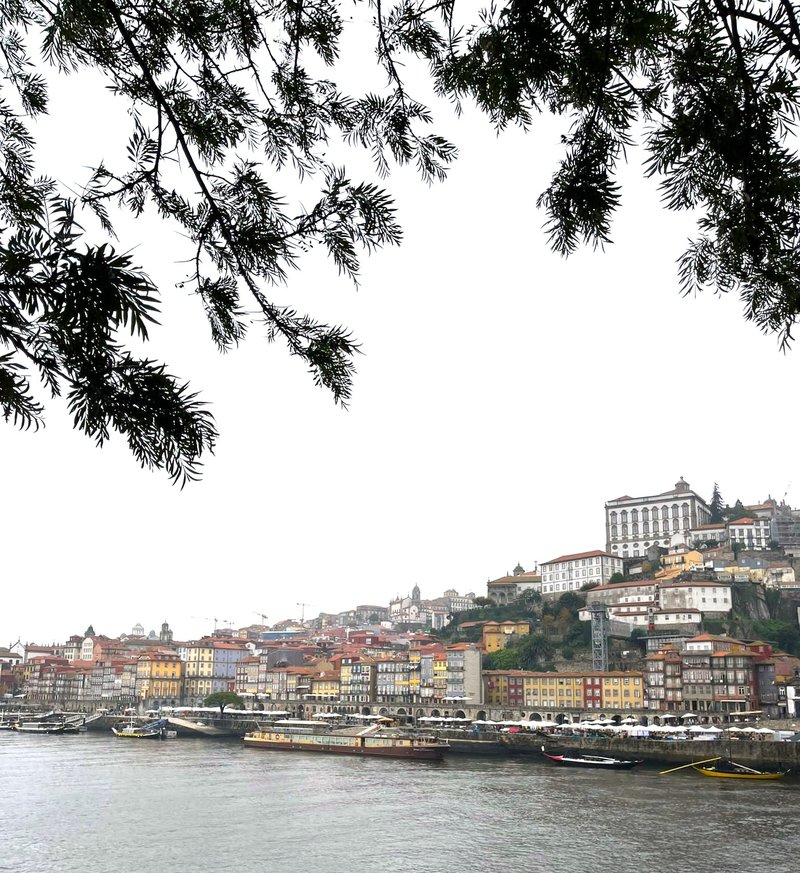
In this guide, I’ll take you beyond the usual tourist list and help you experience Porto like a local. We’ll explore the city’s distinctive flavors — from the rich Francesinha sandwich to freshly cooked Bacalhau, the cozy “tasca” restaurants, and the unmistakable charm of Port wine. You’ll also find practical tips for moving around easily with the Andante transport card, and advice on choosing the right area to stay, depending on your style and budget.
Traveling in Porto doesn’t have to be expensive. Staying in the right neighborhood, eating where locals eat, and walking between attractions will help you save money while connecting more deeply with the city’s rhythm. This post brings together up-to-date 2025 prices, local recommendations, and personal insights to create a realistic and heartfelt Porto travel guide.
If your goal is not just to see Porto, but to feel it — to know where to sip your morning coffee, where to watch the sunset, and how to move through the city’s pace — this guide will help you experience Porto the way it deserves: slowly, genuinely, and with all your senses.
- What to Eat in Porto: A Map of Local Flavors
Porto’s cuisine is as honest and soulful as the city itself. Every dish tells a story — of the river, of family traditions, and of slow-cooked comfort. Here, food isn’t just about taste; it’s about heritage, patience, and the pleasure of sharing.
Let’s start with Porto’s most iconic dish: the legendary Francesinha. The name means “little French girl,” but there’s nothing small about this meal. Layers of steak, ham, and sausage are stacked between bread, covered in melted cheese, and drenched in a hot beer-based sauce that’s rich, spicy, and completely addictive. Served with fries and a cold beer, it’s a must-try — though locals will tell you, one Francesinha a day is enough.
Then comes Bacalhau, the famous salted codfish. The Portuguese say there are 365 ways to cook it — one for every day of the year. In Porto, you’ll often find Bacalhau à Brás (with eggs and potatoes), Bacalhau com Natas (creamy baked version), or Bacalhau à Gomes de Sá (oven-baked with onions and olives). The aroma alone, drifting from family kitchens and “tasca” restaurants, will pull you inside.
If you’re into seafood, don’t miss grilled sardines and polvo à lagareiro (octopus in olive oil). Sardines are especially popular during the São João Festival in June, when locals fill the streets with outdoor grills and music.
When it comes to desserts, Porto surprises with a mix of local and national favorites. You’ll find the classic Pastel de Nata, best enjoyed warm with a sprinkle of cinnamon and a strong espresso. But for something more regional, try Toucinho do Céu (almond and egg-based cake) or Pão de Ló de Ovar, a moist sponge cake that melts in your mouth.
And, of course, no food guide to Porto would be complete without mentioning its most famous export — Port wine. Sweet, rich, and aromatic, it’s aged in wooden barrels in the cellars of Gaia, just across the river. Tasting it where it’s made is an experience every traveler should have. If you prefer something lighter, Vinho Verde (young green wine) or a refreshing sangria on a sunny afternoon will hit the spot.
Finally, don’t underestimate Porto’s coffee culture. Order a meia de leite (similar to a latte) and enjoy it the Portuguese way — standing at the counter, chatting with locals, or watching the world move slowly by.
In Porto, eating isn’t about rushing from one meal to another. It’s about slowing down, savoring the moment, and letting the city feed more than just your appetite.
- Where to Eat in Porto: The Best Areas for Food Lovers
Finding good food in Porto is never the problem — deciding where to eat is. Each neighborhood has its own rhythm, personality, and flavor. Whether you want a romantic riverside dinner or a casual local “tasca,” Porto has something for every taste and budget.
🍷 Ribeira: Dinner with a View
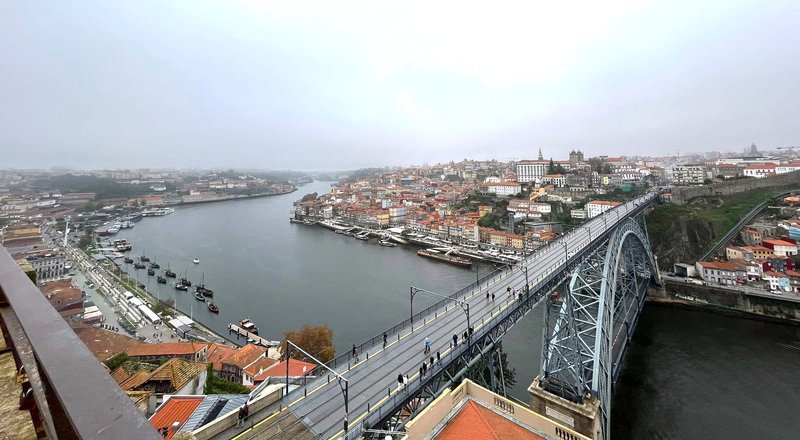
Ribeira, Porto’s most iconic riverside district, is the perfect place for a memorable evening meal. Sitting by the Douro River with a glass of wine as the city lights reflect on the water is an experience you won’t forget. Yes, it’s slightly more expensive than other parts of the city, but the atmosphere is worth every euro.
You’ll find plenty of restaurants serving seafood, Francesinha, grilled fish, and Port wine by the glass. Street musicians often play nearby, adding to the charm. Come just before sunset to enjoy the view — it’s pure Porto magic.
🥘 Cedofeita & Boavista: Where the Locals Eat
If you want to experience the real Porto, head to Cedofeita or Boavista. These neighborhoods are filled with small, family-run “tascas” — no-frills eateries where the menu is handwritten, the wine is local, and the food tastes like home.
Expect hearty soups, freshly grilled fish, and homemade desserts at very reasonable prices. Around Rua de Cedofeita, you’ll find some of the city’s most authentic, budget-friendly meals without a tourist crowd in sight.
🧀 Bolhão Market Area: The Heart of Porto’s Food Scene
Recently renovated, the Mercado do Bolhão has become more than just a market — it’s a lively food hub. Inside, you’ll find stalls selling fresh seafood, cheese, cured meats, and local pastries, as well as small restaurants serving tapas-style dishes.
This area perfectly blends tradition and modernity: you can grab a quick codfish croquette for lunch or sit down for a modern reinterpretation of classic Portuguese dishes. If you love food photography or markets full of color and sound, Bolhão is a must.
🍤 Baixa & Aliados: Central and Stylish
In the heart of the city, the Baixa and Aliados districts are ideal for those who enjoy variety. From elegant bistros to casual lunch spots, everything is within walking distance.
Many restaurants here offer affordable “Menu do Dia” (daily lunch menu), which includes soup, a main course, drink, and dessert for around €12–15. For dinner, expect a mix of modern Portuguese and Mediterranean fusion options — perfect for travelers who like to try a bit of everything.
🥖 Street Food and Budget Bites
If you’re traveling on a budget, Porto’s street food will save your day. Try the famous Bifana (juicy pork sandwich), Prego no Pão (garlic steak sandwich), or warm Empadas (savory mini pies) from local bakeries.
Along the Gaia riverfront, you’ll also find small take-away fish stalls serving grilled sardines and calamari at unbeatable prices. It’s the perfect way to eat like a local — with your hands, by the river, and with no rush.
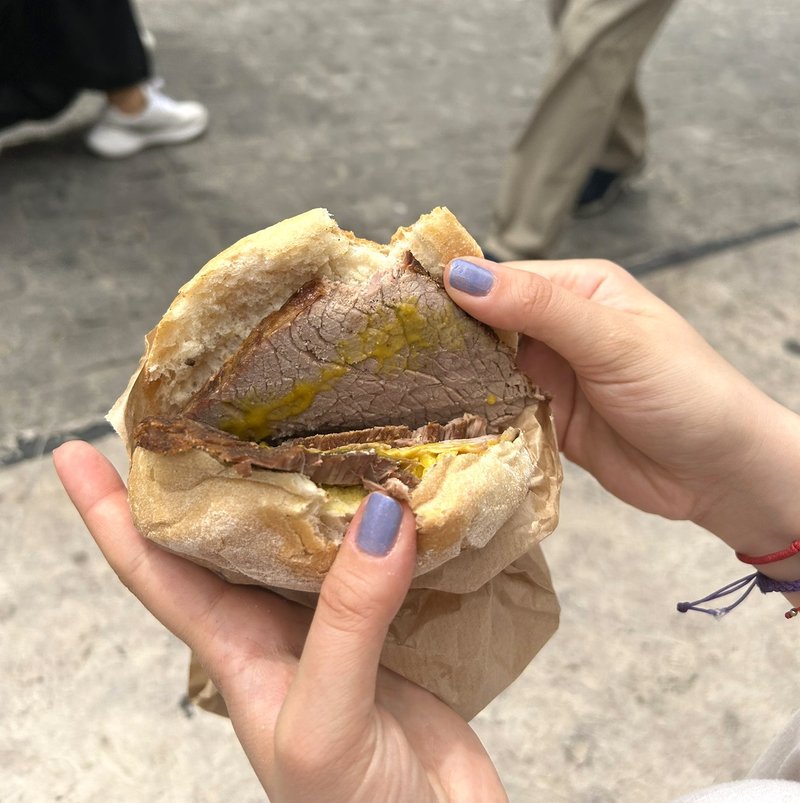
Eating in Porto isn’t just about food — it’s about connecting with people, stories, and the simple joy of slowing down. Every café, every “tasca,” every bite tells you a little more about the soul of this city.
- Getting Around Porto: Easy Ways to Explore the City
Porto may be compact, but its steep hills can make getting around a small adventure. Luckily, the city has an efficient metro, tram, bus, and train network that makes travel smooth and affordable. Whether you’re exploring on foot or hopping between neighborhoods, here’s how to move easily through Porto.
🚇 Metro: The Most Practical Way to Travel
Porto’s metro system is modern, clean, and connects the entire city — from the airport to the riverfront. There are six lines in total, but most visitors will use:
- Line E (purple): Airport → Trindade (city center)
- Line D (yellow): Hospital São João → Santo Ovídio (toward Gaia)
Tickets are zone-based (Z1–Z4) and usually cost €1.30–€2.15 per ride. To use the metro, you’ll need an Andante card, which is rechargeable and valid across all public transport.
💳 The Andante Card: Your Key to Porto’s Transport
The Andante card works on metro, tram, bus, and local trains — a single smart card for the entire city.
- Cost of card: €0.60 (one-time purchase)
- Where to buy: Metro stations, Andante kiosks, or certain shops
- Always validate your card before boarding — random checks are frequent
- For unlimited travel, get the Andante 24 card (24-hour pass, around €4.15–€6.40, depending on zones)
💡 Tip: If you’re staying in Porto for 2–3 days, the 24-hour Andante card is much cheaper and saves you the hassle of buying individual tickets.
🚋 Historic Trams: A Ride Back in Time
Porto’s old trams aren’t just transport — they’re a nostalgic experience. The most famous line is Tram No. 1 (Infante – Passeio Alegre), which runs along the Douro River and offers some of the best views in the city.
- One-way ticket: €3.50
- Round trip: €6.00
- Operating hours: 9:00 AM – 7:00 PM (best to go early before it gets crowded)
It’s a slow, scenic way to travel — more about the journey than the destination.
🚌 Buses: Reaching the Corners of the City
Where the metro doesn’t reach, STCP buses do. The same Andante card works here, so you don’t need separate tickets. Buses are especially handy for getting to Boavista, Cedofeita, or the seaside district Foz do Douro. They’re also great for late-night travel when the metro stops running.
✈️ From the Airport to the City Center
Francisco Sá Carneiro Airport (OPO) is about 11 km from downtown Porto, and you’ve got several options:
- Metro (Line E – purple): The fastest and cheapest option. Takes about 30 minutes, costs €2.15.
- Bus (601 or 602): Around 40–45 minutes, ticket €2.
- Taxi / Uber / Bolt: 20–25 minutes, around €20–25, depending on traffic.
💡 Tip: If your flight lands late at night, ride-share apps are safer and more reliable than waiting for the last metro.
🚶♂️ Walking: The Best Way to Feel Porto
Despite its hills, Porto is a wonderful city to explore on foot. Many of its best sights are close together, and walking gives you the freedom to stop for photos or coffee whenever you like.
Tip for walkers: Start your day at the top (around Clérigos, Sé, or Aliados) and make your way down toward Ribeira by sunset. That way, you enjoy the views without the uphill battle.
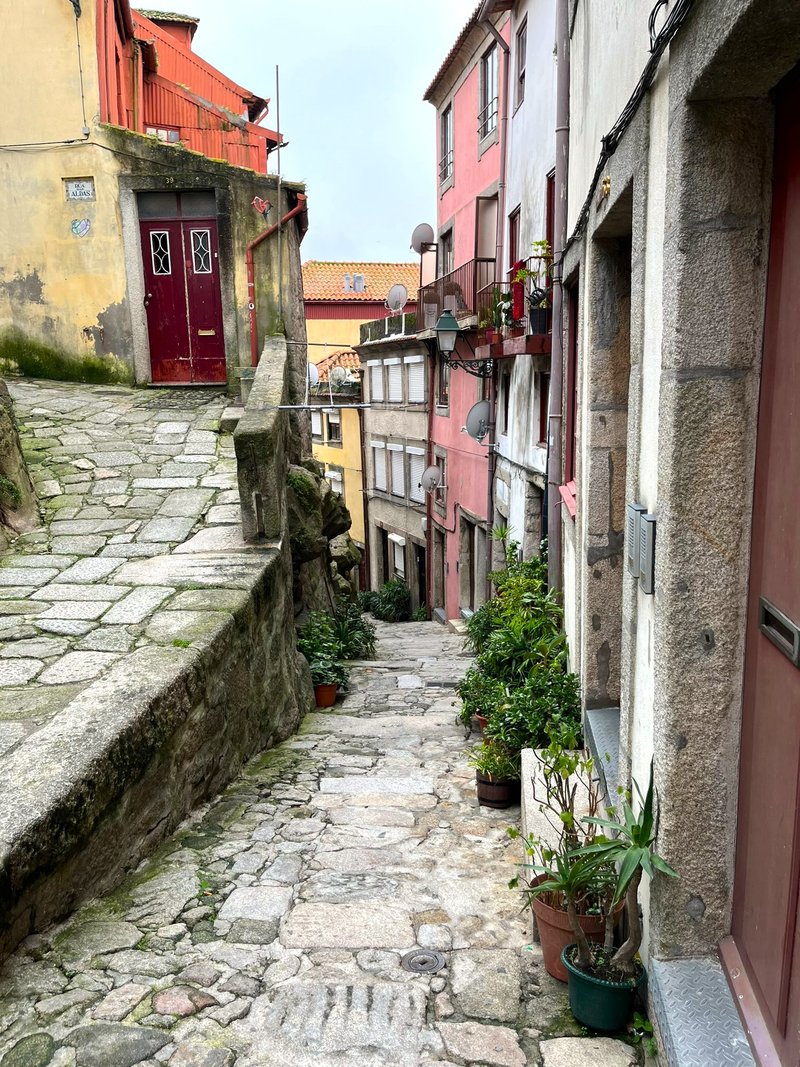
Getting around Porto is simple once you find your rhythm. Mix public transport with a bit of walking, and you’ll not only see the city efficiently — you’ll feel it.
- Where to Stay in Porto: Areas & Hotel Recommendations
Where you stay in Porto shapes your entire experience. Each neighborhood offers a different vibe — from Ribeira’s postcard-perfect riverside views to Baixa’s lively city life and Cedofeita’s laid-back, local atmosphere. Here are three of Porto’s best areas to stay, each with hotel options for every budget.
🏞️ 1. Ribeira: Views, History, and Atmosphere
Ribeira is Porto’s most iconic and photogenic district. Staying here means waking up to the sight of the Douro River and the sound of street musicians below. It’s lively, central, and filled with charm — though prices tend to be slightly higher.
- 💸 Budget: Ribeira Cinema Apartments – Simple, comfortable apartments in a converted cinema building right in the heart of Ribeira. (From €100–120/night)
- 💶 Mid-range: 1872 River House – Cozy, stone-walled rooms with river views and one of the best-rated breakfasts in Porto. (From €150–170/night)
- 💎 Luxury: Pestana Vintage Porto Hotel & World Heritage Site – A landmark hotel located directly on the riverside, offering world-class comfort and views. (From €300–350/night)
Best for: First-time visitors, couples, and anyone who wants the postcard-perfect Porto experience.
🏙️ 2. Baixa & Aliados: Central, Connected, and Stylish
Baixa and Aliados form the vibrant heart of Porto. You’ll be close to shops, cafés, metro lines, and nightlife — everything is within walking distance. Ideal for travelers who want convenience without losing charm.
- 💸 Budget: Zero Box Lodge Porto – A creative, minimalist hotel offering capsule-style rooms and a trendy on-site bar. (From €80–100/night)
- 💶 Mid-range: Hotel Moon & Sun Porto – Modern design, quiet rooms, and a great central location just steps from Avenida dos Aliados. (From €130–150/night)
- 💎 Luxury: Maison Albar – Le Monumental Palace – One of Porto’s finest 5-star hotels, featuring a spa, pool, and gourmet restaurant in a beautifully restored historic building. (From €350–450/night)
Best for: Travelers who want to be in the center of everything — from restaurants to metro connections.
🌿 3. Cedofeita & Bonfim: Local Life and Creative Energy
If you prefer a quieter, more authentic stay away from the tourist crowds, Cedofeita and Bonfim are perfect choices. These neighborhoods are home to art galleries, small cafés, and independent shops — the bohemian side of Porto.
- 💸 Budget: Selina Porto – A popular choice among digital nomads and backpackers. Offers dorms, private rooms, a communal kitchen, and a garden. (From €40–60/night)
- 💶 Mid-range: Hotel Cristal Porto – Clean, modern, and peaceful, with a hearty breakfast and friendly staff. (From €110–130/night)
- 💎 Luxury: Torel Avantgarde – Art-inspired boutique hotel with a pool, spa, and Douro River views. Each room is themed after an artist. (From €250–300/night)
Best for: Long-term visitors, solo travelers, and those seeking a relaxed, local vibe.
💡 Tip: Porto hotels fill up fast between April and September. Book early to secure better rates — especially in Ribeira or Baixa. For a balanced experience, stay in Baixa on your first visit, then explore Cedofeita on your second.
- Porto Budget Guide: Average Daily Costs
By Western European standards, Porto remains one of the most affordable cities to visit. You can enjoy great food, comfortable accommodation, and authentic experiences without spending a fortune. Here’s a breakdown of average daily costs in Porto for 2025, based on different travel styles 👇
☕ Breakfast (€4–8)
Breakfast in Porto is usually light but delicious. A typical combo — croissant, fresh orange juice, and a meia de leite (milky coffee) — costs around €4–5 at a local café.
If you prefer a full brunch with avocado toast, smoothie bowls, or eggs, expect to pay €8–10.
💡 Tip: Do as locals do — have a quick coffee and pastry standing at the counter; it’s cheaper and part of the experience.
🍽️ Lunch (€10–15)
Most restaurants offer a “Menu do Dia” (daily set menu) — soup, main dish, drink, and dessert — for about €12–15. Street food options like bifana (pork sandwich) or empadas (savory pies) cost €6–8 and make for a quick, tasty meal.
💡 Tip: Around Bolhão Market and Cedofeita, prices are often 20% lower than in Ribeira.
🍷 Dinner (€15–30)
Dinner prices vary depending on the area:
- Local “tasca” restaurants: €15–18
- Mid-range restaurants: €20–25
- Riverside or fine dining spots: €25–30+
💡 Tip: Order wine by the glass (copo de vinho) instead of the bottle to try different local varieties and save money.
🚋 Transportation (€5–7)
A 24-hour Andante card (unlimited rides on metro, bus, and tram) costs around €5.
For short distances, Uber or Bolt rides average €6–8 across the city.
💡 Tip: Combine walking with public transport to see more and spend less.
🏨 Accommodation (€40–150)
Prices vary by style and season:
- Budget hostels / guesthouses: €40–70
- Mid-range hotels: €90–120
- Boutique / luxury hotels: €130–150+
- 💡 Tip: Booking early can save up to 20%, especially between April and September when Porto is busiest.
🎟️ Attractions & Activities (€10–25)
Many viewpoints are free, but some key attractions have entry fees:
- Clérigos Tower: €8
- Port wine cellar tour (Gaia): €15–20
- Douro River boat tour: €15
In total, budget around €10–25 per day for sightseeing.
- If You’re Like Me…
If you’re like me, you don’t just want to visit a city — you want to live it. Porto is one of those places that rewards you for slowing down. It doesn’t rush to impress you. Instead, it reveals itself gently, one coffee, one walk, one sunset at a time.
Maybe you’ll start your morning with a quiet espresso in Ribeira, have lunch at a small tasca in Cedofeita, and end your day watching the Douro glow gold from the top of the bridge. That’s the rhythm of Porto — unhurried, sincere, and deeply human.
Luxury hotels and fancy dinners exist here, sure. But the real soul of Porto isn’t in the Michelin stars — it’s in the sound of tram bells, the warmth of homemade soup, and the smile of a stranger who tells you which wine to try next.
If, like me, you prefer to feel a city instead of ticking off landmarks, Porto will meet you halfway. Here, time flows differently. It bends to your steps, your mood, your appetite. And by the time you leave, you’ll realize something simple but true — Porto isn’t a city you finish exploring; it’s a feeling that stays with you long after you go.