Lisbon Travel Guide: Food, Transportation & Accommodation Experiences
- Discovering Lisbon’s Cuisine
- The Atlantic influence: fresh seafood and olive oil tradition
- Monastic desserts and culinary heritage
- Daily eating habits and portion culture
- What to Eat in Lisbon
- Bacalhau variations (the many faces of codfish)
- Sardines, octopus, mussels, and fresh fish
- Pastel de Nata, Fidalgo, and other convent sweets
- Bifana, Petiscos, and street snacks
- What to Drink in Lisbon
- Coffee culture: starting the day with a “bica”
- Local drinks: Ginjinha, Vinho Verde, Port wine
- Everyday drinking habits and meal pairings
- My Restaurant Experiences in Lisbon
- Solar 31 da Calçada: mastery of seafood
- Monte Mar (Time Out Market): elegant dining by the sea
- The Bifanas of Afonso: heart of Lisbon’s street food
- A Ginjinha Registada: the city’s cult cherry liqueur
- 5 Oceans: quiet, local, and scenic dining
- Fidalgo dessert: Portugal’s sweet heritage
- Getting Around Lisbon – Easiest Ways to Explore
- Metro, tram, and the Viva Viagem card
- Walking routes with scenic viewpoints
- Bolt, taxi, and airport connections
- Where to Stay in Lisbon – Best Areas for Every Traveler
- Baixa & Alfama: historic center and classic charm
- Chiado & Bairro Alto: cafés, nightlife, and local vibes
- Belém & Parque das Nações: modern and peaceful stays
- Budget Tips for Lisbon – How to Enjoy the City Without Overspending
- Lisbon Card benefits
- “Menu do Dia” and local food hacks
- Markets, transportation savings, and free viewpoints
- Avoiding tourist traps and understanding tipping culture
Introduction
Lisbon isn’t just remembered for its pastel-colored houses or the nostalgic sound of Tram 28 climbing uphill — it’s a city that stays with you through flavors, scents, and golden sunsets. Every plate, every glass of wine, every walk through its hilly streets tells a different story.
In this guide, I’ve gathered everything from my own experience in Portugal’s capital — the food I tasted, the drinks I loved, the easiest ways to move around, and the neighborhoods that made me feel at home.
If you’ve been wondering “What to eat in Lisbon? Where to stay? How to get around the city?” this post will give you all the answers, mixed with personal notes and real impressions.
Everything you’ll read here is based on my days wandering through Lisbon — from local taverns and pastelarias to metro rides and riverside sunsets.
So, are you ready to taste Lisbon with me? Let’s start — through its food, its streets, and that golden light that never really leaves you.
- Discovering Lisbon’s Cuisine
Lisbon’s cuisine blends the salt of the ocean, the warmth of olive oil, and centuries of culinary tradition into something beautifully simple. Just like its streets, Lisbon’s food is unpretentious yet full of character. Every dish carries the same philosophy: you don’t need much — as long as the ingredients are good.
Being so close to the Atlantic, Lisbon’s kitchen is built on freshness. Fish and seafood dominate every menu, from the simplest taverns to fine-dining restaurants.
Early in the morning, fishermen unload boxes of glistening sardines, and by lunchtime, they’re sizzling on the grill. Octopus, cod (bacalhau), mussels, and shrimp are everywhere — cooked in dozens of different ways, all relying on olive oil, garlic, and just a hint of salt.
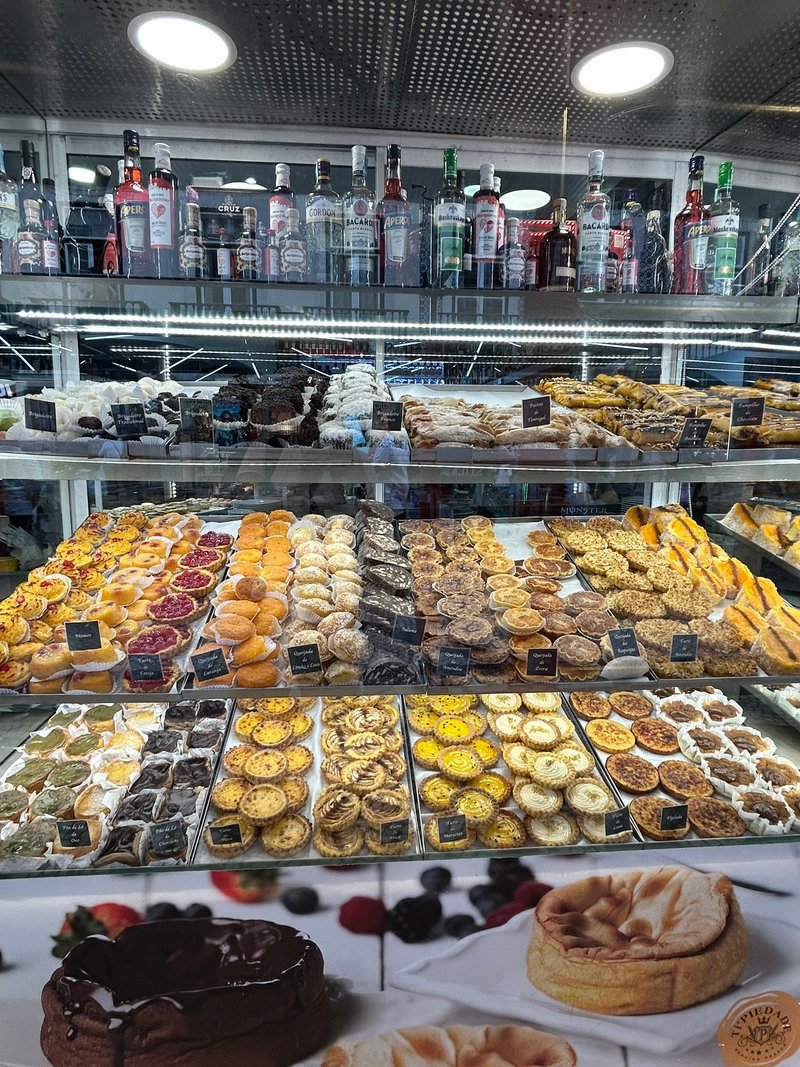
But the soul of Lisbon’s cuisine doesn’t come only from the sea. It also has a sweet, monastic side. Desserts like Pastel de Nata, Fidalgo, or Toucinho do Céu trace their origins back to convent kitchens, where egg yolks and sugar turned into edible art. These sweets are rich, comforting, and timeless — much like the city itself.
Meals here are rarely rushed. Locals take their time, letting conversations stretch as long as the wine lasts. A drizzle of olive oil, a loaf of bread, a bowl of olives, and a glass of Vinho Verde — that’s often all you need for a perfect evening.
Eating in Lisbon isn’t just about food; it’s about rhythm. It’s about sitting by the river, watching the trams rattle by, and realizing that this city teaches you to slow down — one bite at a time.
- What to Eat in Lisbon
Eating in Lisbon is a journey through the city’s history — a mix of tradition, simplicity, and the flavors of the Atlantic. At first glance, the dishes may seem humble, but each one hides layers of technique and heritage. Here are some of the most iconic foods you shouldn’t leave Lisbon without trying:
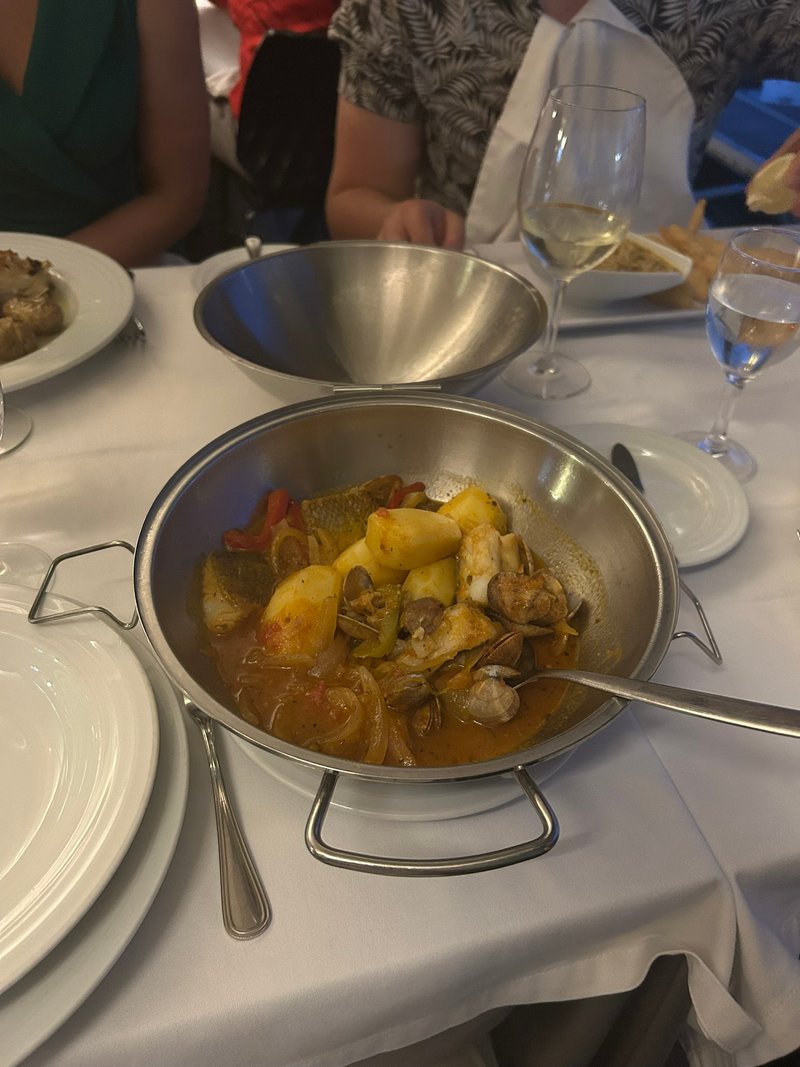
Bacalhau – The Many Faces of Codfish Portugal’s national ingredient appears in countless forms. Locals say there are a thousand ways to cook bacalhau, and they might be right. The most famous version is Bacalhau à Brás — shredded cod mixed with thin fries, scrambled eggs, onions, and black olives. Comforting and full of texture. Another classic, Bacalhau com Natas, bakes the fish with cream for a richer, smoother taste. No matter the recipe, bacalhau represents the heart of Portuguese home cooking.
Sardinha Assada – Grilled Sardines If you visit Lisbon in summer, you’ll smell sardines before you see them. June’s Sardine Festival fills the streets with smoke and laughter.
Fresh sardines are salted, grilled over charcoal, and served with boiled potatoes, salad, and a slice of rustic bread. The best ones are found in Alfama or Graça — eaten outdoors, surrounded by music and the chatter of locals.
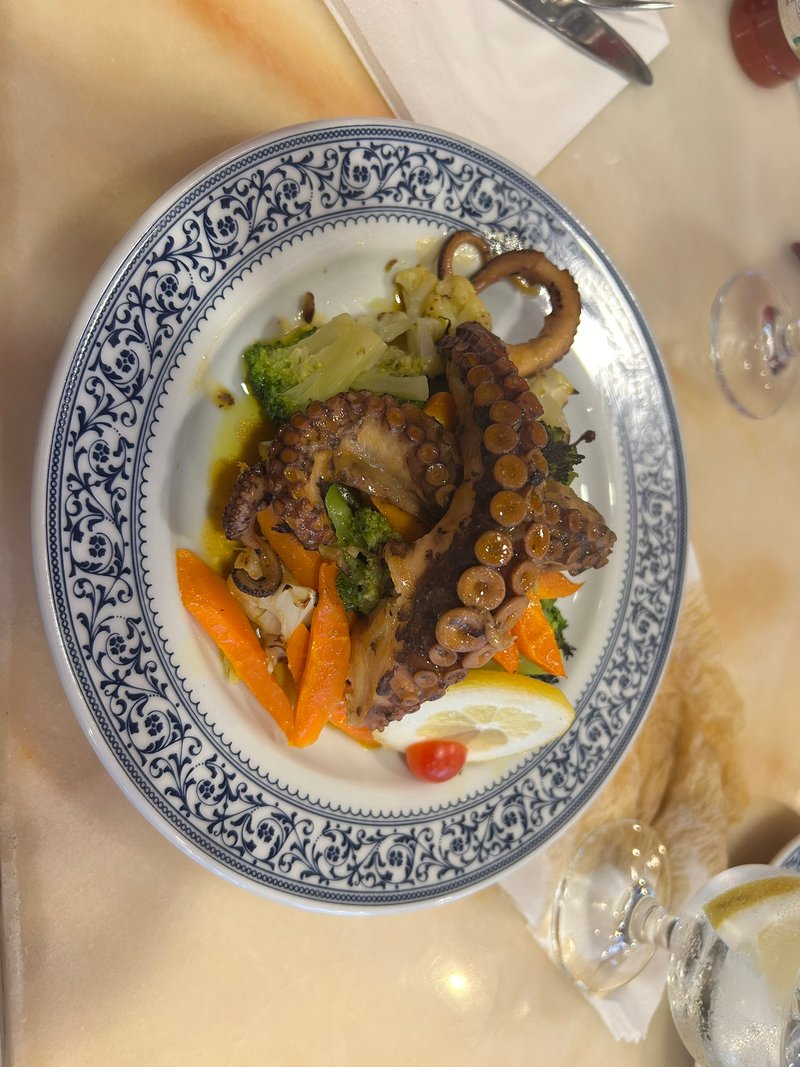
Polvo à Lagareiro – Octopus in Olive Oil This dish is proof that Portuguese cooking is all about balance. The octopus is roasted until tender inside, crispy outside, then drenched in garlic olive oil and served with potatoes. Simple, fragrant, and unforgettable.
Caldo Verde – The Green Soup Lisbon’s favorite comfort food. This traditional soup combines potatoes, kale, sausage, and olive oil into something both hearty and light. One bowl is enough to warm you up after a day of exploring — especially on breezy evenings near the river.
Frango Piri-Piri – Spicy Grilled Chicken Spiced with chili peppers brought from Africa centuries ago, Piri-Piri chicken is Portugal’s answer to comfort street food. Grilled until smoky and served with fries or salad, it’s messy, spicy, and delicious. You’ll find it in small taverns and takeaway spots all over the city.
Pastel de Nata – The Queen of Sweets No visit to Lisbon is complete without this golden custard tart. Crispy on the outside, creamy on the inside, dusted with cinnamon — it’s perfection in two bites. The original Pastéis de Belém bakery serves the most famous version, but Manteigaria and local cafés around the city bake tarts that are just as divine.
Every dish tells part of Lisbon’s story — from the sea breeze that flavors its fish to the centuries-old recipes kept alive in convents and family kitchens. Here, food isn’t just eaten. It’s celebrated.
- What to Drink in Lisbon
Lisbon’s drinking culture is woven into its daily rhythm — a perfect mix of habit, hospitality, and heritage. From the morning espresso to the evening glass of wine, every drink has its moment and meaning in the city’s routine.
Coffee Culture – Starting the Day with a “Bica” In Lisbon, coffee is more than caffeine — it’s a ritual. Locals start their mornings with a short, strong espresso known as a bica. Most people drink it standing at the counter, chatting briefly with the barista before heading to work. Pair it with a warm Pastel de Nata or a buttery croissant, and you’ll instantly feel like a local. A cup usually costs around €1–1.50, and you’ll find charming pastelarias on almost every corner.
Vinho Verde – The Young and Refreshing White Wine Light, slightly fizzy, and full of citrus notes — Vinho Verde is the taste of a Lisbon afternoon. It’s perfect with seafood, especially grilled sardines or octopus. Served chilled, it refreshes without overpowering the food. A glass costs around €3–4, and you’ll find it on almost every menu in the city.
Port Wine – Sweet and Sophisticated Though it originates from Porto, Port wine is easy to find in Lisbon. Often enjoyed after dinner, it’s rich, smooth, and slightly sweet — the perfect way to end a meal. You can sample different varieties (Ruby, Tawny, or White Port) at wine bars across Chiado and Bairro Alto.
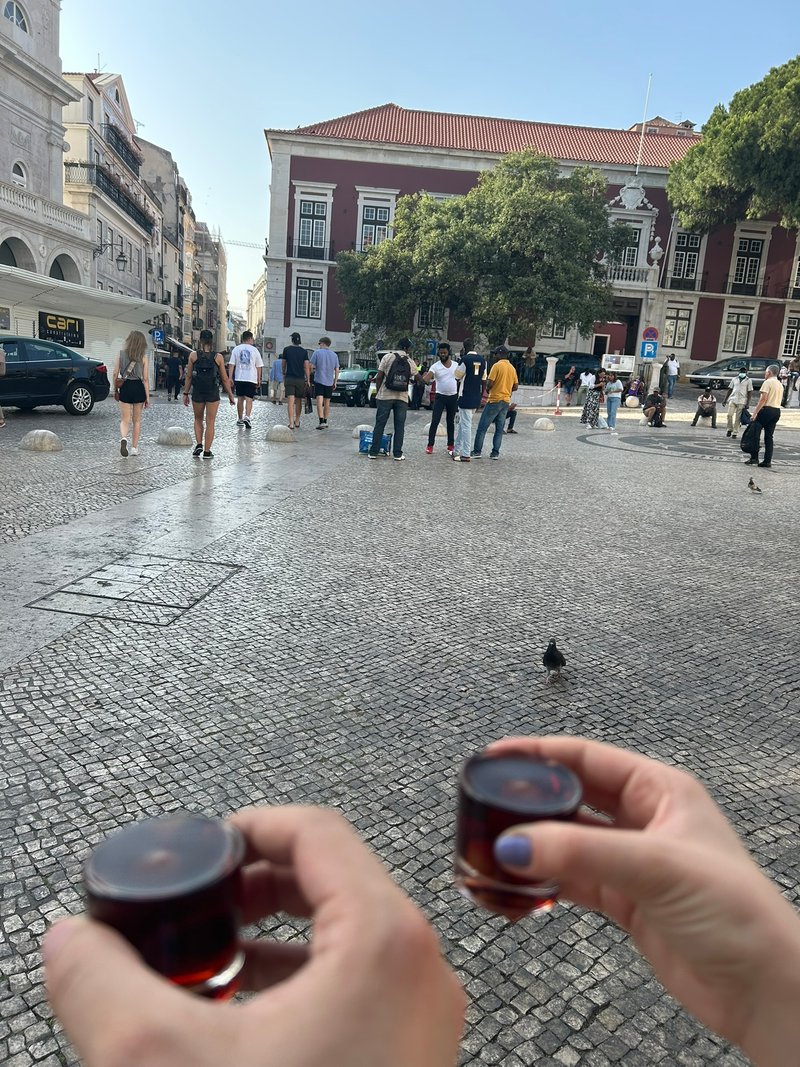
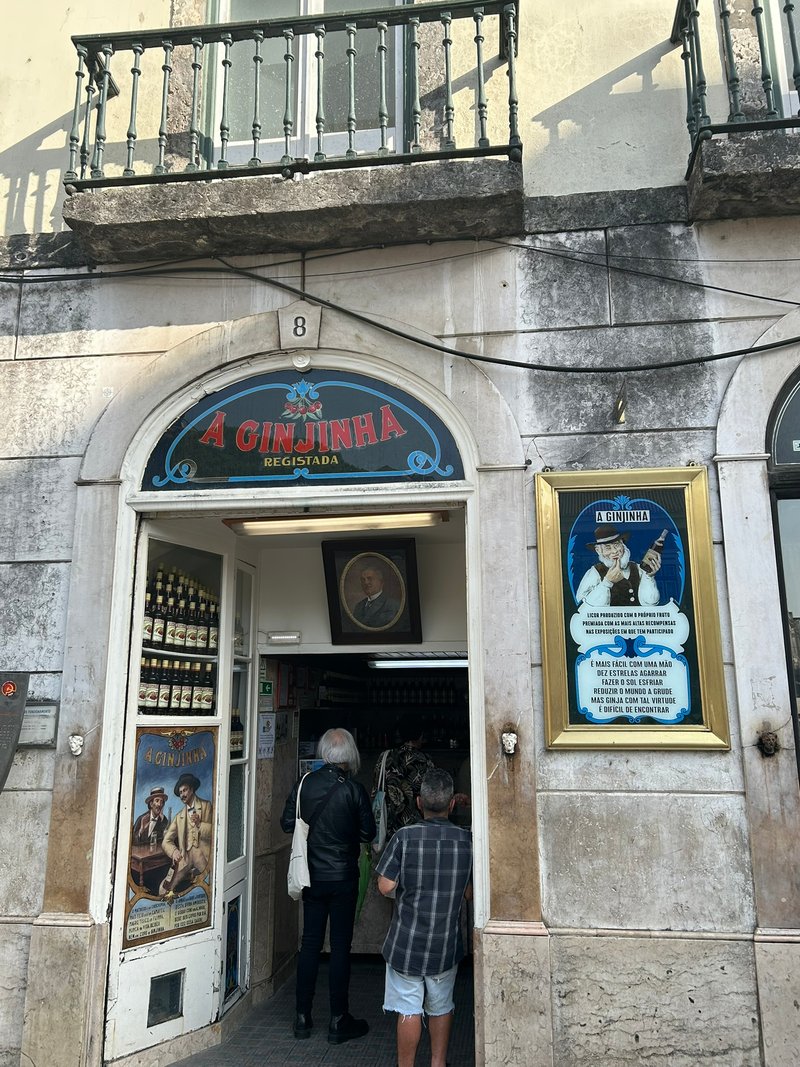
Ginjinha – The Spirit of Lisbon in a Shot Glass If Lisbon had a flavor, it might be Ginjinha — a cherry liqueur that’s equal parts sweet, sour, and strong.
You drink it in small shots, often on the street right after ordering. The most famous spot is A Ginjinha Registada near Rossio Square, where locals and tourists alike gather for a quick sip. It costs around €1.50–2, and you can choose to have it “com elas” (with the cherry) or “sem elas” (without).
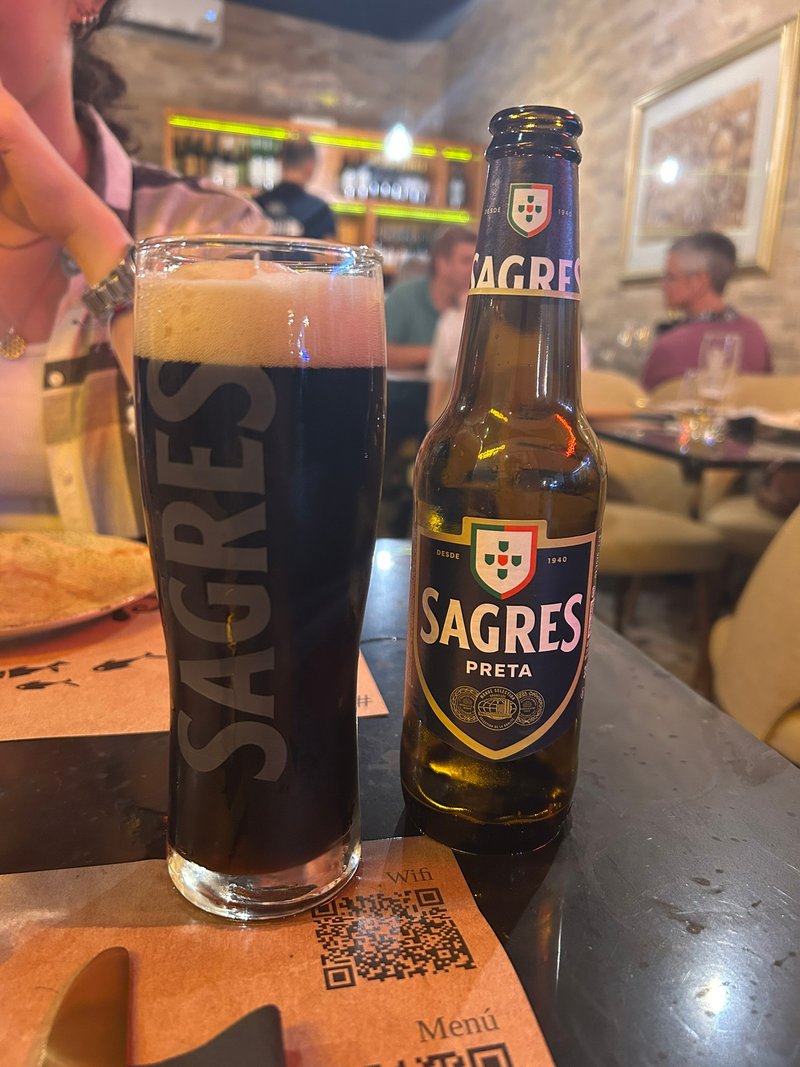
Beer and Sangria – Everyday Refreshments On hot afternoons, locals often reach for a cold Super Bock or Sagres, the two main Portuguese beers. Both are light, crisp, and inexpensive — about €2–3 per bottle. For a more leisurely drink, sangria — red wine mixed with fruit and ice — is the classic riverside choice. Sip it slowly while watching the sunset at Praça do Comércio or Cais das Colunas.
In Lisbon, drinks are never just about quenching thirst. They’re about pausing, connecting, and savoring the moment — one espresso, one glass, one sunset at a time.
- My Restaurant Experiences in Lisbon – Real Tasting Notes
Eating in Lisbon is not about following a strict itinerary — it’s about wandering, getting lost, and letting your senses lead the way. Every corner smells of olive oil, seafood, or freshly baked pastry. Still, a few places stayed with me — for their flavors, their atmosphere, and the stories behind each plate.
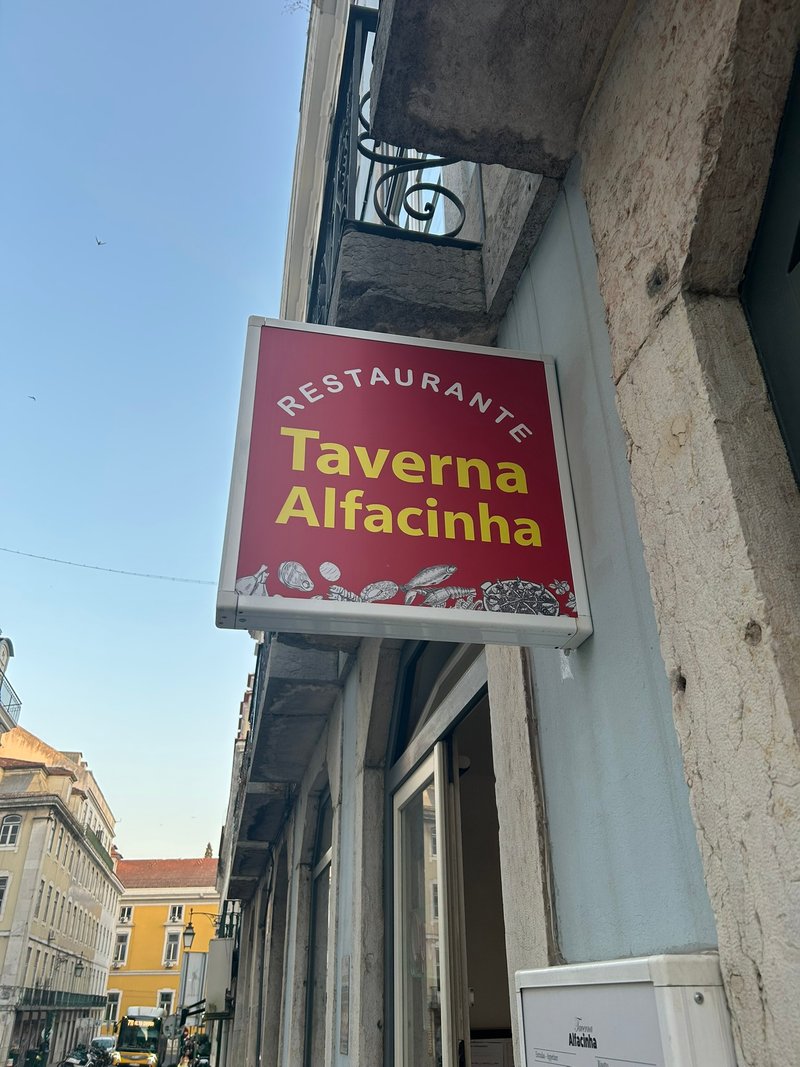
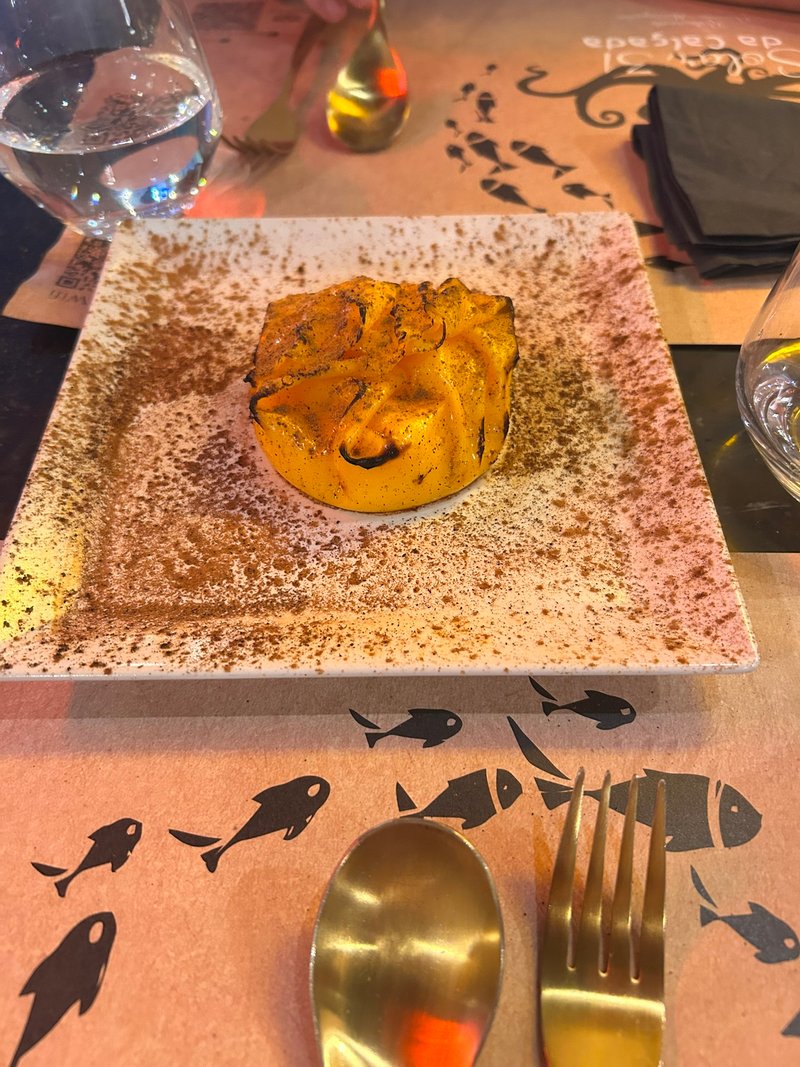
Solar 31 da Calçada – Mastery of Seafood Hidden on a quiet street near the city center, Solar 31 looks humble from the outside, but inside it’s a haven for seafood lovers.
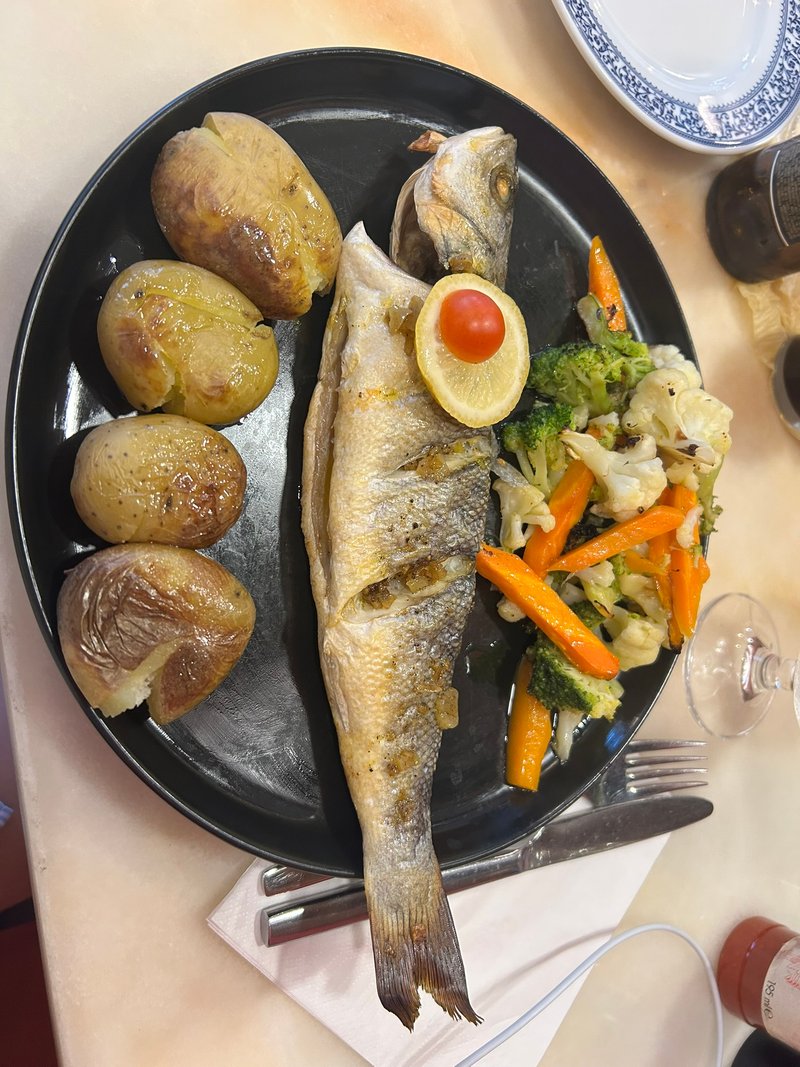
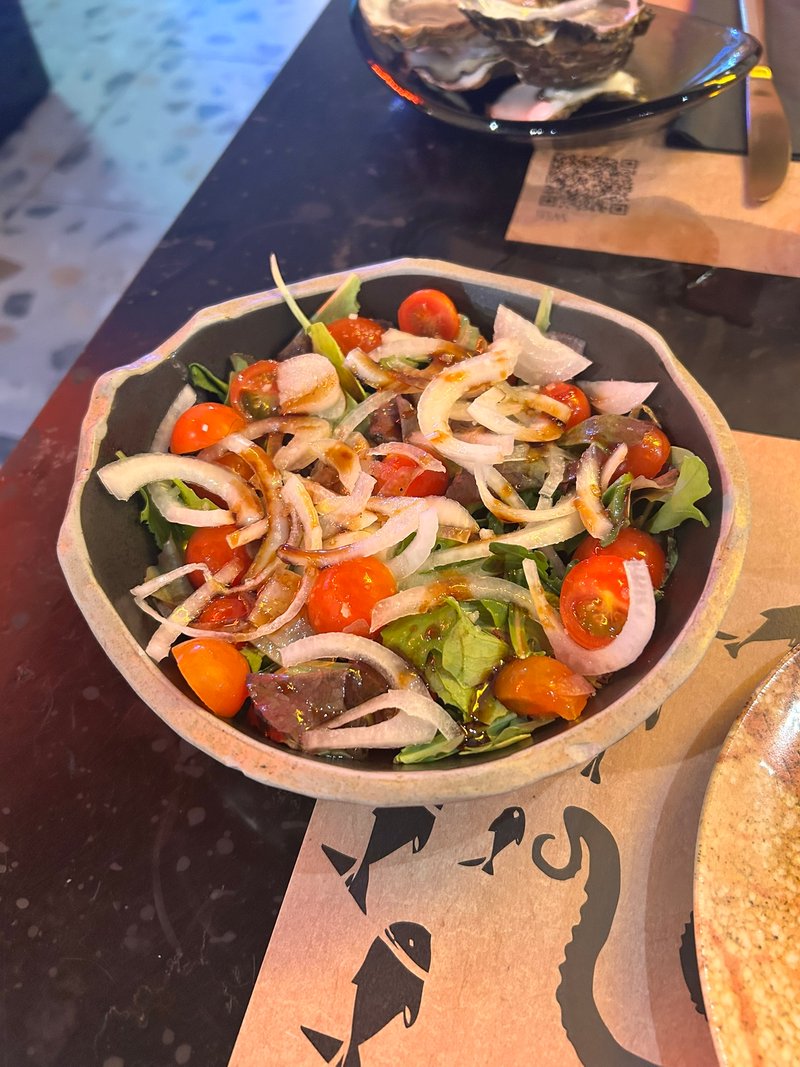
I ordered Dourada Grelhada (grilled sea bream) — perfectly cooked with nothing more than sea salt, olive oil, and lemon. The simplicity was striking; the flavor, unforgettable. Served with boiled potatoes and fresh greens, it reminded me that in Lisbon, freshness is the secret ingredient. Friendly service, fair prices, and a calm atmosphere made it one of my favorite dining experiences in the city.
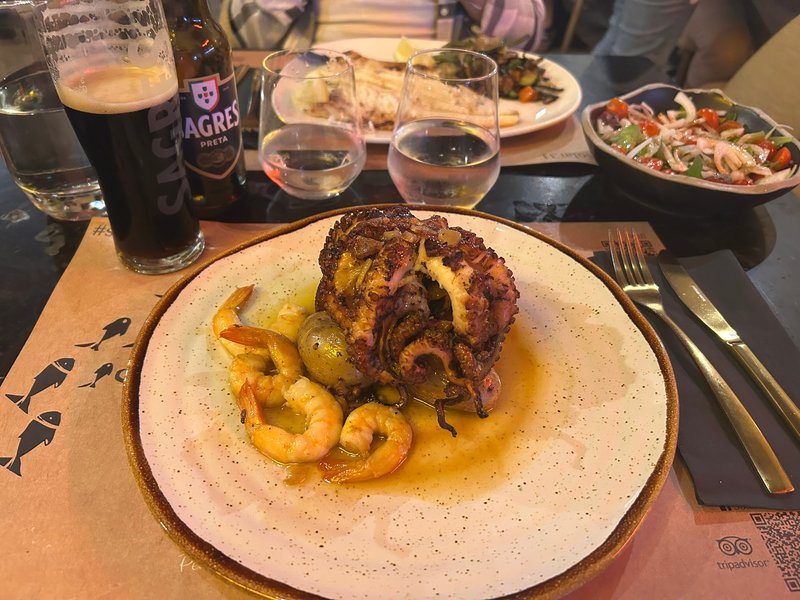
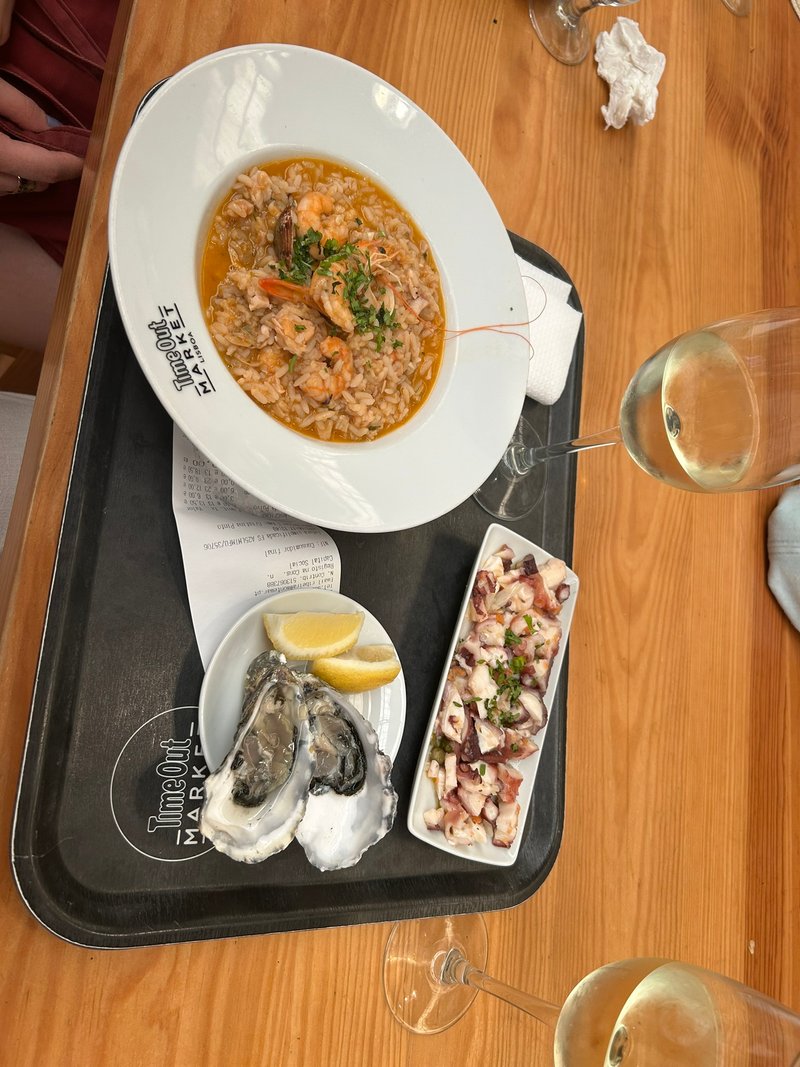
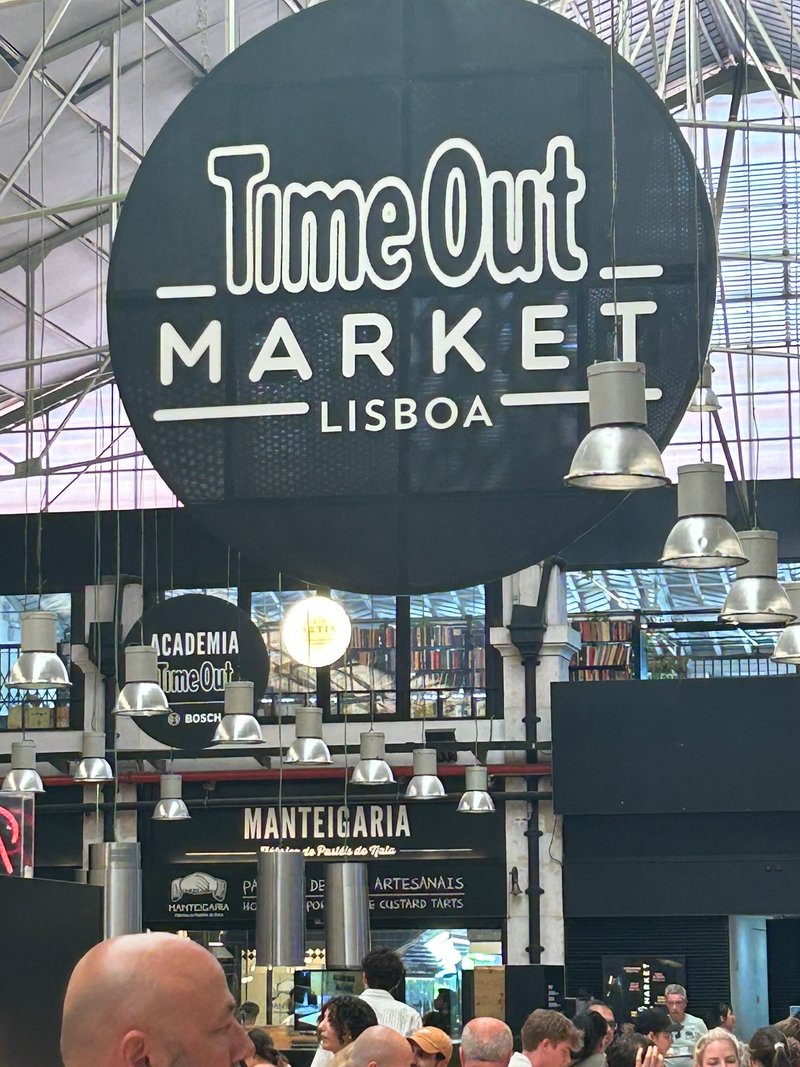
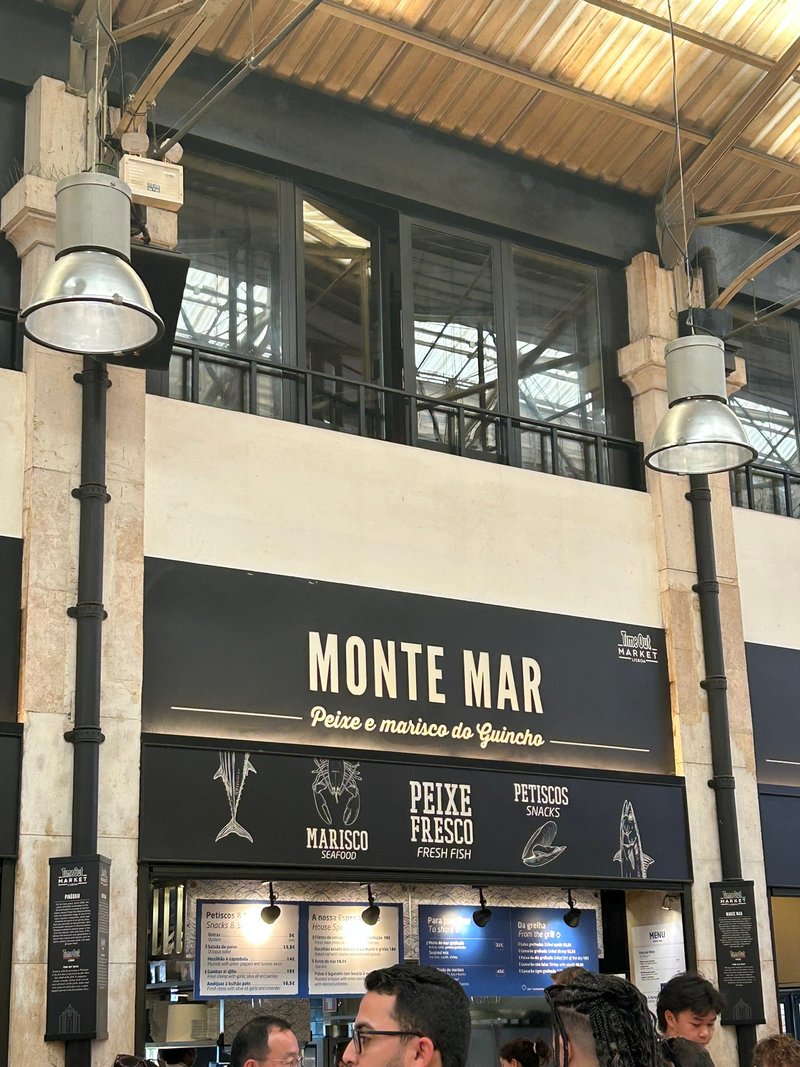
Monte Mar (Time Out Market) – Elegant Dining by the Sea At Time Out Market, Lisbon’s modern food hall, you can sample the city’s best chefs under one roof. I chose Monte Mar, drawn by the smell of sizzling garlic and olive oil. Their Polvo à Lagareiro (octopus in olive oil) was simply art — crispy on the outside, tender inside, and bathed in golden garlic oil. Served with small roasted potatoes and a glass of chilled Vinho Verde, it was a meal that captured the essence of Portuguese cooking: clean, balanced, and full of soul. A bit pricier (around €15–18), but worth every bite.
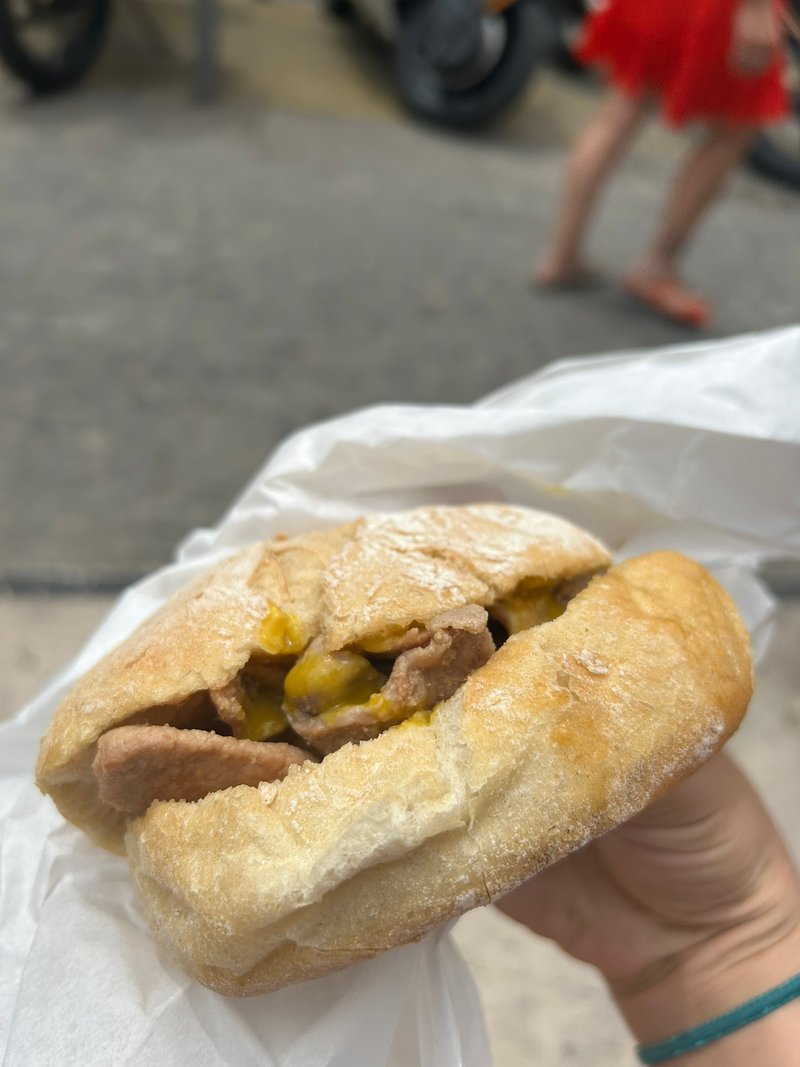
The Bifanas of Afonso – The Heart of Lisbon’s Street Food Lisbon’s most beloved street snack is the Bifana — a hot sandwich of thinly sliced pork simmered in garlic and spices. At The Bifanas of Afonso, this simple dish becomes something special. Juicy, spicy, and served straight from the grill, it’s best eaten standing on the sidewalk like the locals do. It’s quick, cheap (around €2.50), and full of flavor — the kind of food that tells you more about a city than any fine dining restaurant ever could.
A Ginjinha Registada – A Cultural Ritual in a Sip Near Rossio Square, a small crowd always gathers around a tiny counter — that’s A Ginjinha Registada, Lisbon’s most iconic spot for cherry liqueur. For €1.50, you get a plastic cup of Ginjinha, poured straight from the bottle by an old man who’s been doing it for decades. Sweet, tangy, and warming, it’s not just a drink — it’s a Lisbon tradition. Standing there among strangers, sipping that dark red liquid, I felt like part of the city’s rhythm.
5 Oceans – Quiet, Local, and Scenic Dining For a more peaceful evening, I headed to 5 Oceans, a restaurant overlooking the Tagus River. The menu focused on simplicity — grilled mussels, shrimp in garlic butter, and fresh fish of the day. Everything tasted pure, light, and cooked with care. As the sun set, the golden reflection on the water matched the wine in my glass. It was the kind of dinner where you don’t talk much — you just watch, sip, and enjoy being there.

Fidalgo – Portugal’s Rich Sweet Heritage Everyone knows Pastel de Nata, but I wanted to try something less famous — Fidalgo, a dense dessert made with egg yolks, sugar, and almonds. Its texture is thick and caramelized, its sweetness bold yet elegant. It’s not the kind of dessert you finish quickly — it’s one you linger over, letting the flavor unfold slowly. Each bite tasted like history — a recipe preserved from convent kitchens and passed down for generations.
In Lisbon, food is never just food. It’s music, memory, and emotion served on a plate.
From the elegance of Solar 31 to the street charm of Afonso, every meal told me something new about the city: that good things here are never rushed, and the simplest moments often taste the best.
- Getting Around Lisbon – Easiest Ways to Explore
Lisbon might look hilly and confusing at first, but once you learn how to move around, it becomes one of the easiest European cities to explore. Public transport is efficient, affordable, and full of charm — and walking, despite the slopes, is often the most rewarding way to discover the city.
Metro – The Fastest Way Around the City Lisbon’s metro is clean, safe, and surprisingly simple. There are four main lines — red, blue, yellow, and green.
If you’re coming from Humberto Delgado Airport, take the Red Line (Linha Vermelha) directly to Baixa-Chiado in under 30 minutes. A single ticket costs €1.80, but the real trick is to buy a Viva Viagem card (costs €0.50) and load it with credit. You can then tap in and out across the metro, trams, and buses without needing new tickets each time.
Trams – The Heartbeat of Lisbon No symbol represents Lisbon better than its yellow trams. The legendary Tram 28 winds through the city’s most iconic neighborhoods — Alfama, Graça, and Bairro Alto — passing by Sé Cathedral and countless viewpoints.
It’s not just transportation; it’s an experience. Try to ride early in the morning to avoid long queues (tickets bought on board are €3, but only €1.80 with your Viva Viagem card).
The wooden seats, the creaking tracks, and the way the tram squeezes between narrow streets make this one of the city’s most unforgettable rides.
Buses and Elevators – Conquering the Hills Lisbon’s elevadores — historic funiculars like Elevador da Bica, Glória, and Santa Justa — help you climb steep hills without breaking a sweat. They’re both practical and scenic, offering beautiful views over the city. Buses, on the other hand, reach places the metro doesn’t, and Google Maps or Moovit make route planning easy.
Bolt and Taxis – Quick and Reliable Options For short trips or late-night rides, Bolt is often cheaper and more comfortable than traditional taxis. Most inner-city rides cost €4–6, while airport transfers are around €10–12. Drivers are friendly, and the app-based payment means no surprises.
Walking – The Best Way to Feel the City Despite its hills, Lisbon is a walking city at heart. Wander through Alfama’s labyrinth of streets, stop for a coffee in Chiado, or climb to Miradouro de Santa Luzia for a view that takes your breath away.
Just remember: wear comfortable shoes — the cobblestones can be slippery, and every hill hides another viewpoint worth the climb.
From the Airport to the City Center Lisbon’s airport is conveniently close to the city (about 7 km).
- Metro: 25 minutes – €1.80
- Bolt/Taxi: 15 minutes – €10–12
- Aerobus: around €4, more touristic but comfortable
Getting around Lisbon isn’t just about reaching places — it’s part of the city’s charm. The sound of tram bells, the rumble of cobblestones under your feet, the slow climb up a hill — they all become part of your memory of Lisbon.
- Where to Stay in Lisbon – Best Areas for Every Traveler
Lisbon may look compact on the map, but where you choose to stay can completely change your experience. Some neighborhoods wake up with church bells and fado music, while others come alive after sunset with the sound of clinking glasses and street chatter.
Here are the three best areas to stay in Lisbon, each with its own personality — plus hotel recommendations for every budget.
- Baixa & Alfama – Historic Heart and Classic Charm
This is the soul of Lisbon. You’re just steps away from Praça do Comércio, Sé Cathedral, and Alfama’s winding streets. Perfect for first-time visitors who want to explore everything on foot and soak up the old-town atmosphere.
- Budget: We Love F Tourists Hostel Located right by Rossio Square, this hostel is clean, social, and perfectly central. Great for solo travelers or anyone who wants to stay close to the action without spending much.
💰 Average price: €35–45 per night - Mid-range: My Story Hotel Tejo A stylish, modern hotel right in Baixa’s heart. Comfortable rooms, friendly staff, and unbeatable value for couples or short stays. 💰 Average price: €90–110 per night
- Luxury: Memmo Alfama – Design Hotels Set among Alfama’s narrow streets with panoramic views over the Tagus River, this boutique hotel offers elegance, serenity, and an infinity pool overlooking the city. 💰 Average price: €220–250 per night
- Chiado & Bairro Alto – Culture by Day, Nightlife by Night
If you love cafés, live music, and a little nightlife, this is your spot. Chiado is Lisbon’s artistic quarter filled with bookstores, while Bairro Alto turns into a lively maze of bars and restaurants after dark.
- Budget: Living Lounge Hostel A creative, artsy hostel just steps from Chiado’s cafés and tram stops. Cozy, friendly, and filled with character. 💰 Average price: €40–50 per night
- Mid-range: My Story Hotel Ouro Beautifully designed and ideally located, this hotel blends comfort with authentic Lisbon style. Great breakfast, modern rooms, and easy access to everywhere. 💰 Average price: €100–120 per night
- Luxury: Bairro Alto Hotel A Lisbon icon. With river views, a rooftop terrace, and a Michelin-starred restaurant, this hotel redefines city-center luxury. Quiet, romantic, and effortlessly elegant. 💰 Average price: €350–400 per night
- Belém & Parque das Nações – Peaceful and Modern
For a calmer stay, head west to Belém or north to Parque das Nações. Both areas are modern, green, and ideal for families or travelers seeking comfort and space.
- Budget: Help Yourself Hostels – Restelo A clean, minimalist stay within walking distance of Belém Tower and the riverside promenade. Quiet and affordable. 💰 Average price: €35–45 per night
- Mid-range: Vila Galé Ópera Hotel Set by the river, this hotel features spacious rooms, a generous breakfast, and easy access to public transport. Great for families. 💰 Average price: €110–130 per night
- Luxury: Altis Belém Hotel & Spa A five-star waterfront hotel with contemporary design, a spa, and stunning views over the Tagus River. Ideal for honeymoons or relaxed escapes. 💰 Average price: €300–350 per night
Each neighborhood tells a different story:
- Alfama whispers history,
- Chiado hums with creativity,
- Belém breathes calm.
No matter where you stay, Lisbon’s charm will find its way to your window — usually with the sound of a tram bell and the scent of fresh pastries drifting in.
- Budget Tips for Lisbon – How to Enjoy the City Without Overspending
Lisbon is one of Europe’s most affordable capitals — and with a little planning, you can experience its best food, views, and culture without stretching your budget. Here are practical, experience-based tips to help you make the most of your money while still living like a local.
- Get a Lisbon Card – One Pass for Everything If you plan to explore museums and use public transport, the Lisbon Card is a must. It offers:
- Unlimited access to metro, buses, trams, and suburban trains
- Free entry to over 25 museums and monuments
- Discounts (10–20%) at restaurants and attractions
💰 Prices (2025): 1 day – €22 | 2 days – €37 | 3 days – €46 If you’re visiting Belém, Alfama, or Sintra, it easily pays for itself.
- Look for “Menu do Dia” – Lunch Deals Like a Local At lunchtime, most traditional restaurants offer a Menu do Dia (menu of the day). For around €10–12, you’ll get a soup, main course, drink, and coffee — all home-cooked and authentic.
It’s the best way to try local food while avoiding tourist prices.
- Have Breakfast at a Pastelaria Skip the hotel breakfast and start your day like a Lisboeta. Order a bica (espresso) and a Pastel de Nata for about €2.50–3, and enjoy it standing at the counter. These small moments — morning chatter, the smell of coffee, and warm pastries — are pure Lisbon.
- Use a Viva Viagem Card for Transport The Viva Viagem card (€0.50) works across metro, tram, and bus. Recharge it using the “zapping” method — it’s up to 30% cheaper than buying single tickets. A full day of travel around Lisbon rarely costs more than €5.
- Shop at Local Markets and Supermarkets For snacks, wine, or fruit, head to Pingo Doce, Mini Preço, or Continente. Buying a bottle of local wine at the supermarket costs €4–6, compared to €15+ in a restaurant. Markets like Mercado da Ribeira or Campo de Ourique are also great for sampling fresh produce at local prices.
- Watch Out for Tourist Traps In busy areas like Baixa or Belém, some restaurants charge extra for bread, olives, or water that appear automatically on the table.
If you don’t want them, politely say “Não, obrigado.” Menus without visible prices are a red flag — avoid them.
- Take Advantage of Free Museum Days Many museums have free or discounted entry days:
- National Tile Museum (Museu do Azulejo): Free on the first Sunday of each month.
- MAAT (Museum of Art, Architecture and Technology): Often discounted on Friday afternoons. Check official websites before visiting.
- The Best Views Are Free Some of Lisbon’s most breathtaking views cost nothing.
Visit Miradouro de Santa Luzia, Portas do Sol, or Senhora do Monte for sunset — all free, all unforgettable.
- Understand Water and Tipping Culture Water, bread, and olives placed on the table are often not free unless included in the menu. Tipping isn’t mandatory, but if you’re happy with the service, 5–10% is appreciated.
Lisbon proves that you don’t need luxury to feel rich — just good timing, curiosity, and a little awareness. From street food to golden sunsets, the city rewards those who slow down, explore on foot, and savor life one small moment at a time.
Closing – Catching Lisbon’s Rhythm
Lisbon is a city that moves at its own pace — slow, melodic, and full of warmth. Mornings start with the sound of espresso cups clinking in pastelarias, afternoons drift by with the hum of trams climbing the hills, and evenings end with golden light spilling over the river.
Everything here invites you to slow down. To sip your wine a little longer, to walk a little farther, to notice the scent of grilled sardines or the echo of fado from a distant street.
Everything I’ve shared in this guide — the food, the drinks, the streets, the hotels — comes from my own time wandering through Lisbon, one sensory moment at a time.
And if there’s one thing this city teaches you, it’s that beauty doesn’t need perfection; it just needs honesty.
Lisbon may be small, but it leaves something big inside you — the taste of sea salt, the warmth of the sun, and a rhythm that stays long after you’ve gone.
Wanderoria
Stories for travelers who prefer to feel, not rush.