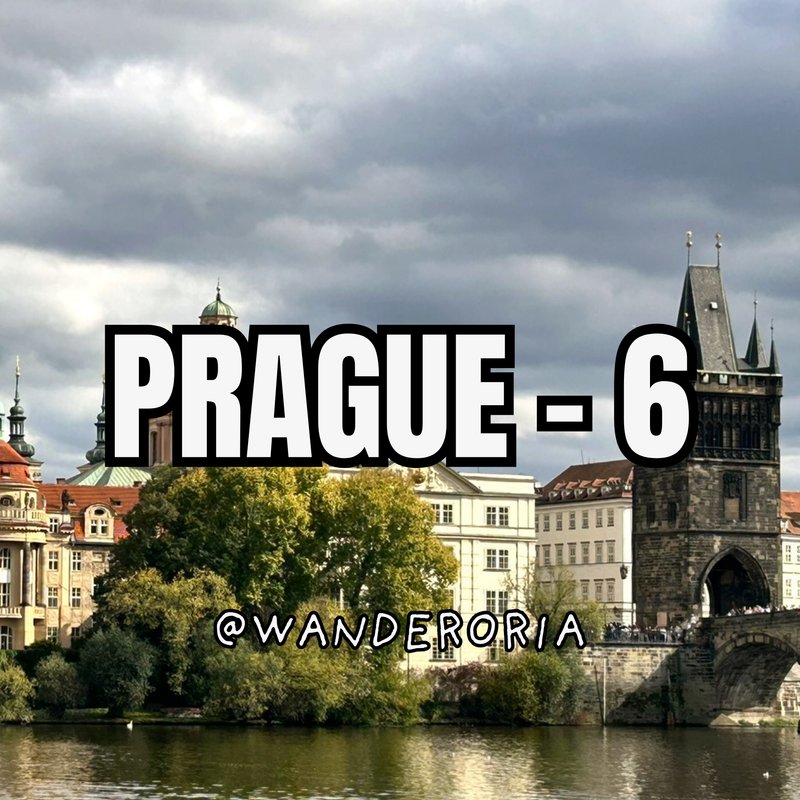
Free Things to Do in Prague: How to Experience the City Without Spending Money
Is Prague an expensive city? Almost everyone asks this question before arriving. The honest answer is: it can be — but it doesn’t have to be. Prague allows you to experience a lot without spending money, as long as you understand how the city works.
This is not a list of “free museums” or “budget hacks.” Instead, this article focuses on something more important: how Prague gives itself to you for free, if you move through it the right way. Walking, pausing, choosing the right streets, and being in the right place at the right time often matter more than tickets or reservations.
If you have 2–4 days in Prague and don’t want to rush from attraction to attraction — but also don’t want to wander aimlessly — this guide is about finding that balance: seeing a lot, without paying for everything.
The Logic of Free Experiences in Prague: What You Don’t Pay For, What You Give Time To
In Prague, money is usually required to enter something: a tower, a museum, a concert, a guided experience. But many of the moments that actually define the city happen outside, without doors, tickets, or queues.
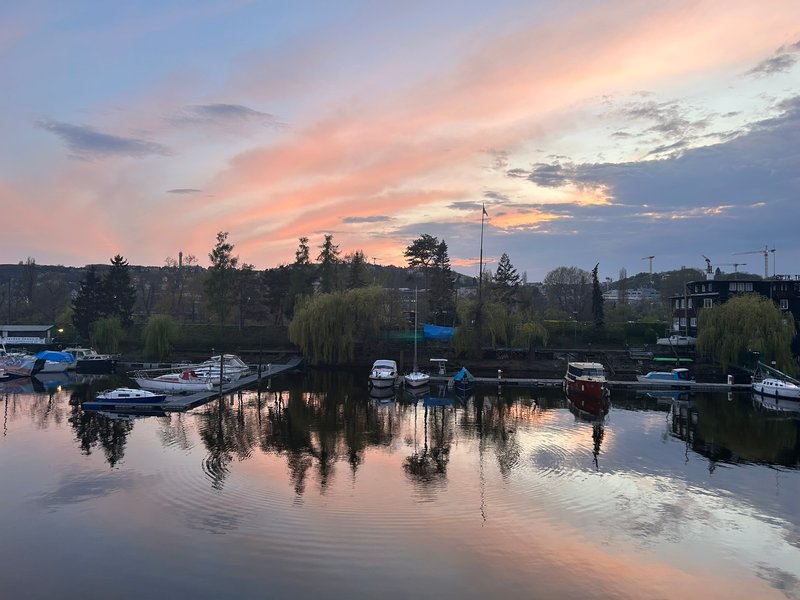
Walking between Staré Město (Old Town) and Malá Strana (Lesser Town), standing by the Vltava River, or slowing down in a quiet street costs nothing. What it requires instead is time and attention. Prague rewards people who don’t rush.
Free experiences here are not about “doing nothing.” They are about not chasing the wrong things. Paid attractions give you structure. Free experiences give you understanding. They teach you how the city breathes, how neighborhoods change, and how history shows itself without explanations.
To enjoy Prague for free, you don’t need to save money — you need to change priorities. Less checking boxes, more noticing details. Less entering places, more staying outside.
Walking Through Staré Město for Free: How to Avoid Getting Lost in the Crowd
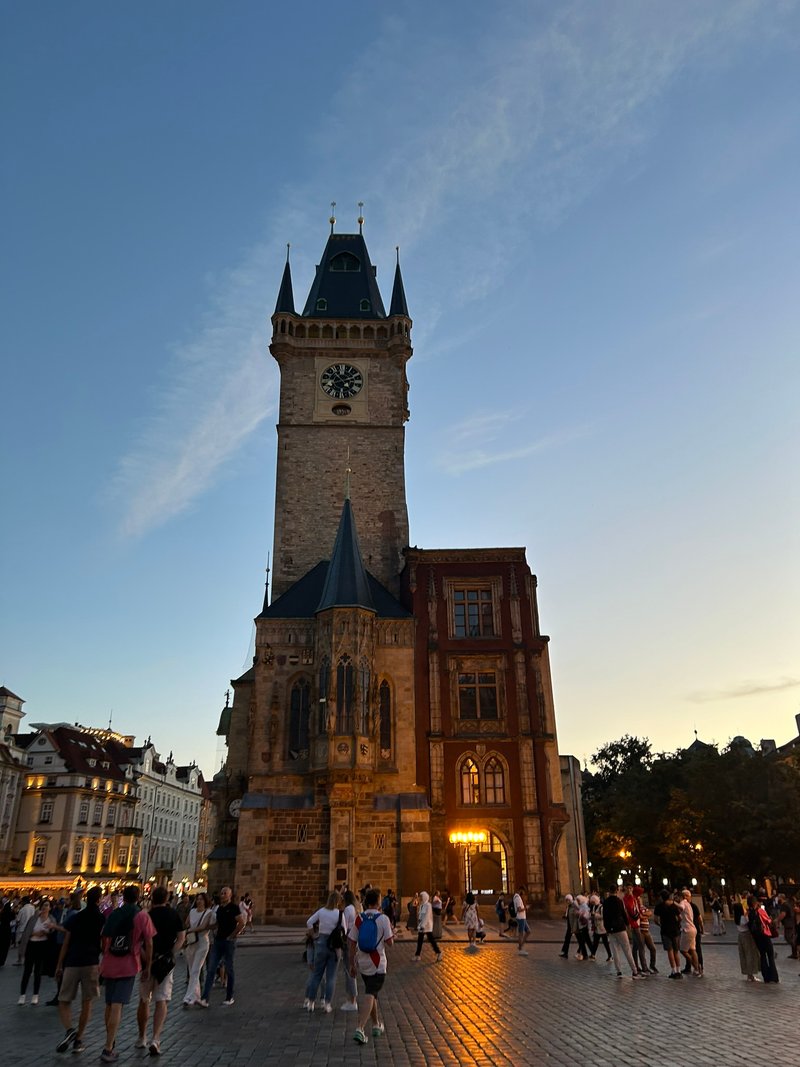
Almost everyone ends up at Old Town Square (Staroměstské náměstí). The Astronomical Clock, the towers of the Church of Our Lady before Týn, the surrounding facades — it’s impressive, but also overwhelming. Most visitors treat the square as a destination. That’s where the mistake begins.
The real free experience of Staré Město starts when you leave the square.
Walking from Old Town Square toward Celetná Street, then slowly drifting into smaller side streets, the atmosphere changes quickly. The noise fades, the pace slows, and the city feels less like a stage set. Areas behind the Týn Church or just a few streets away from the main routes feel quieter, more residential, more real.
Timing matters more than location here.
- Early morning (around 8–9 a.m.) offers calm streets and soft light.
- Late evening (after 10 p.m.) reveals a different Old Town — quieter, heavier, more atmospheric.
Staré Město is not free because it costs nothing to enter. It is free because you don’t need to do anything special to experience it — except choose your path carefully.
Experiencing Charles Bridge for Free: Timing Is Everything
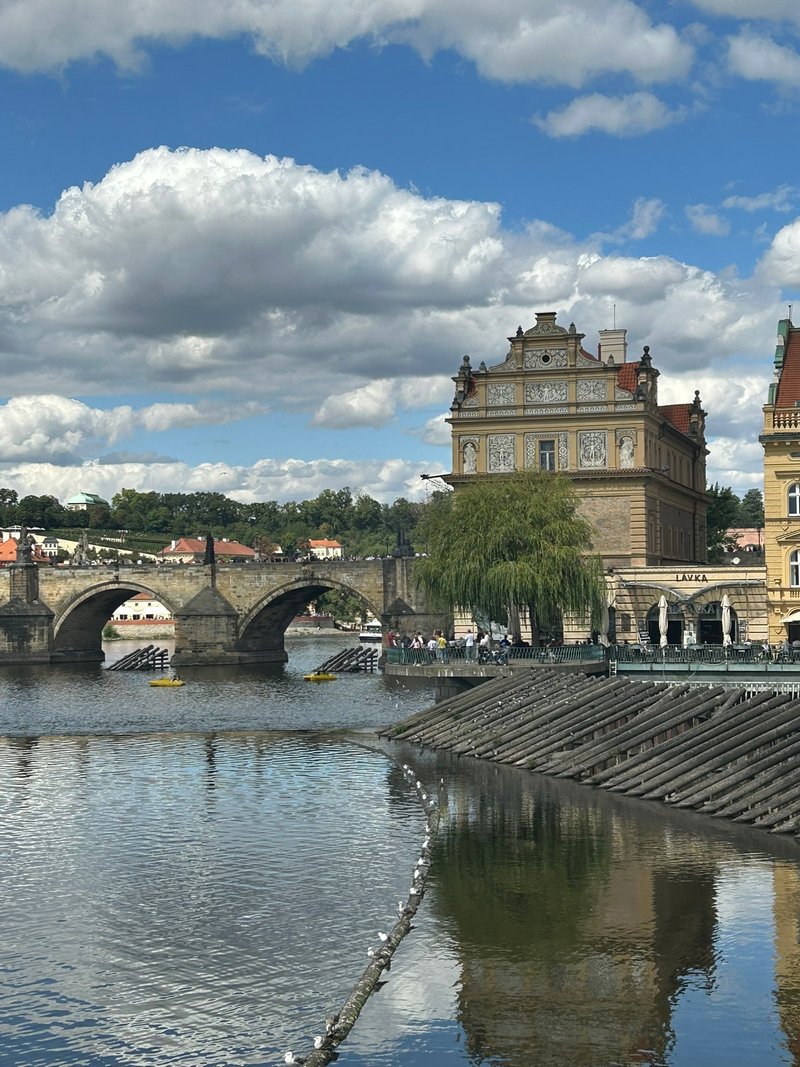
Charles Bridge (Karlův most) is one of the most famous places in Prague — and often one of the most exhausting. During the day, crowds make it hard to stop, observe, or feel anything at all. Many people leave disappointed, thinking the bridge is overrated.
The problem isn’t the bridge. It’s the timing.
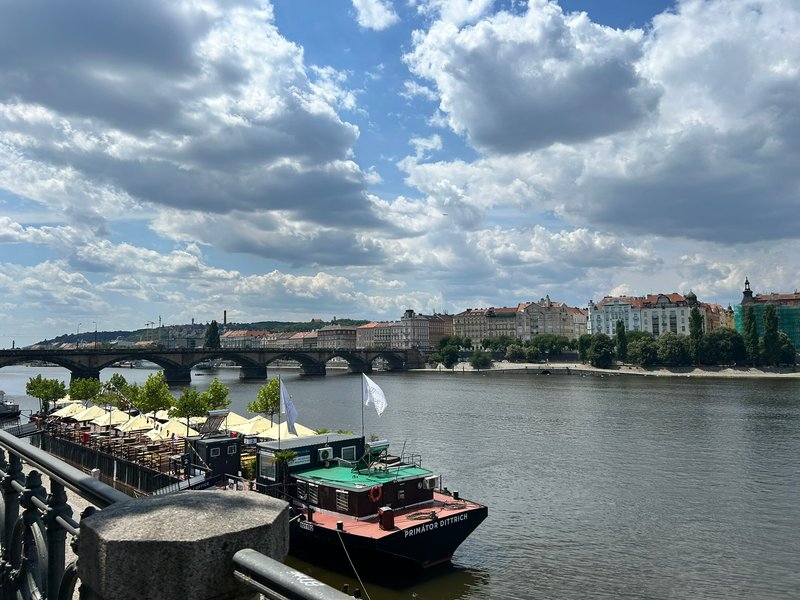
Early in the morning, near sunrise, Charles Bridge becomes a completely different place. The Vltava River feels calmer, the stone surface shows its age, and the city feels suspended for a moment. In the evening, near sunset, looking toward Prague Castle (Pražský hrad) from the bridge offers one of the strongest free views in the city.
The key is simple: don’t treat the bridge as a crossing. Treat it as a place to pause. Even standing still for a minute changes how you experience it.
Charles Bridge teaches an important lesson about Prague:
Some places don’t disappoint because they are overrated — they disappoint because they are visited at the wrong time.
Free Viewpoints in Prague: You Don’t Need a Ticket to See the City from Above
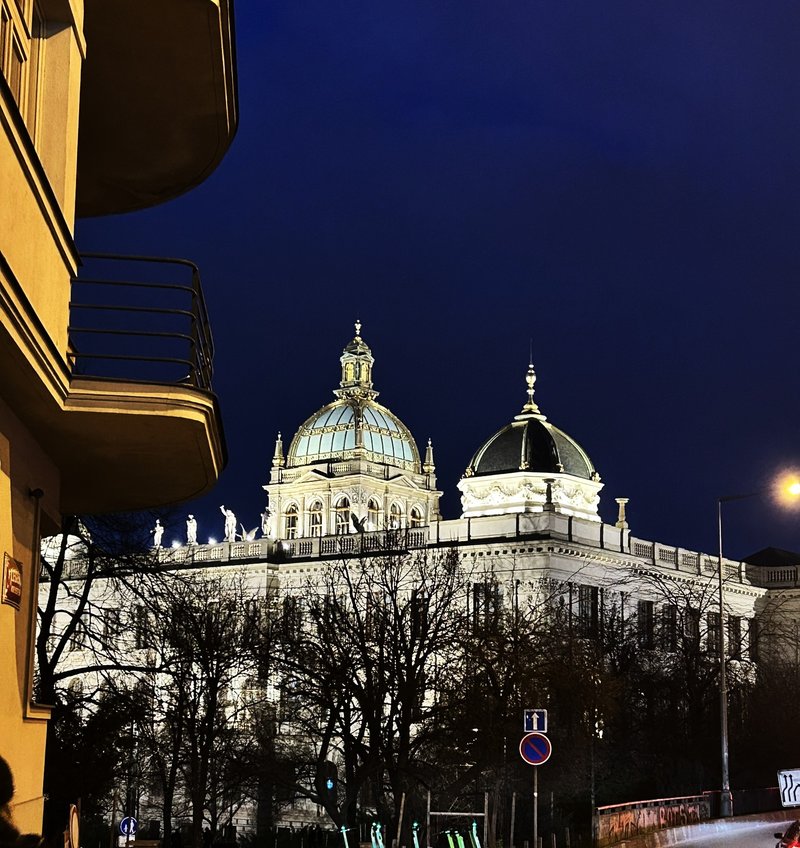
In Prague, viewpoints are often associated with towers and paid terraces. But some of the most impressive views of the city come from places that require nothing more than a short walk uphill. The rule is simple: if you’re willing to climb a little, Prague rewards you generously.
One of the best examples is Letná Hill. From Letná Park, the view over the Vltava River and its bridges gives you a clear sense of Prague’s layout. You see how the river curves through the city, how Old Town and Lesser Town relate to each other, and how the city feels balanced rather than chaotic. Locals come here to walk, sit, or simply look — not to “see a sight,” but to spend time.
Another strong free viewpoint is Petřín Hill. Many visitors focus only on Petřín Tower, but the hill itself offers multiple open viewpoints. Walking around the slopes above Malá Strana, you can catch quiet views over rooftops and church domes. These spots are calmer, less crowded, and often more rewarding than the tower itself.
For sunset, Riegrovy Sady offers a different kind of perspective. Facing Prague Castle, this park becomes a gathering place in the evening. It’s not officially marketed as a viewpoint, which is exactly why it works so well. People sit, talk, and watch the city change color as the light fades.
In Prague, free viewpoints don’t try to impress you. They simply let the city appear as it is — layered, walkable, and human-scaled.
Parks and Gardens: The Free Way to Slow Down in Prague
Parks in Prague are not just green spaces; they are pause buttons. They give structure to the city’s rhythm and allow you to step out of the constant movement without leaving the city behind. Best of all, many of them are completely free and easy to access.
Letná Park is open and expansive. People walk dogs, jog, cycle, or sit on benches facing the river. It feels social but never overwhelming. Spending time here doesn’t feel like sightseeing — it feels like being part of the city for a moment.
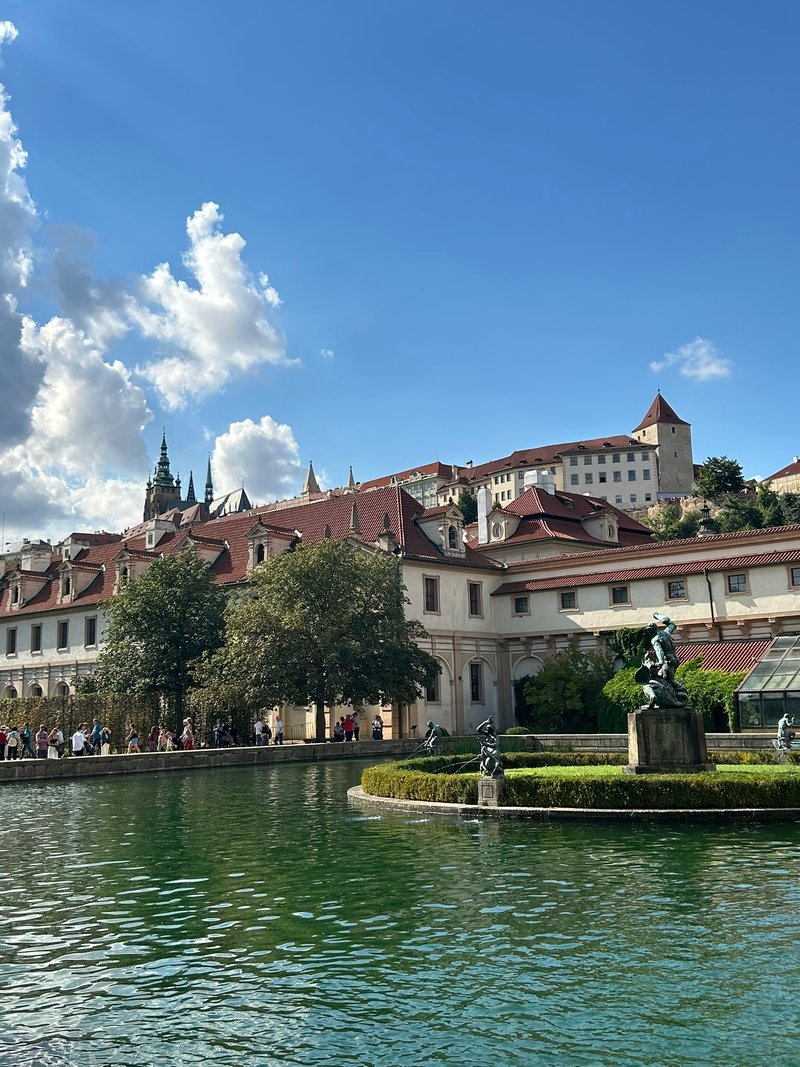
For a quieter experience, places like Valdštejn Garden offer a very different atmosphere. Located near Malá Strana, this garden is open to the public at certain times and feels almost hidden. Inside, the city noise disappears. You walk slower, notice symmetry, water, and space. It’s one of the clearest examples of how Prague uses gardens not as decoration, but as structure.
Smaller green spaces around Malá Strana or near Petřín also serve the same purpose. You don’t need a plan. Sitting, walking, or doing nothing at all is enough. In Prague, parks remind you that slowing down is not wasted time — it’s part of understanding the city.
Reading Prague’s Architecture for Free: Learning Without Going Inside
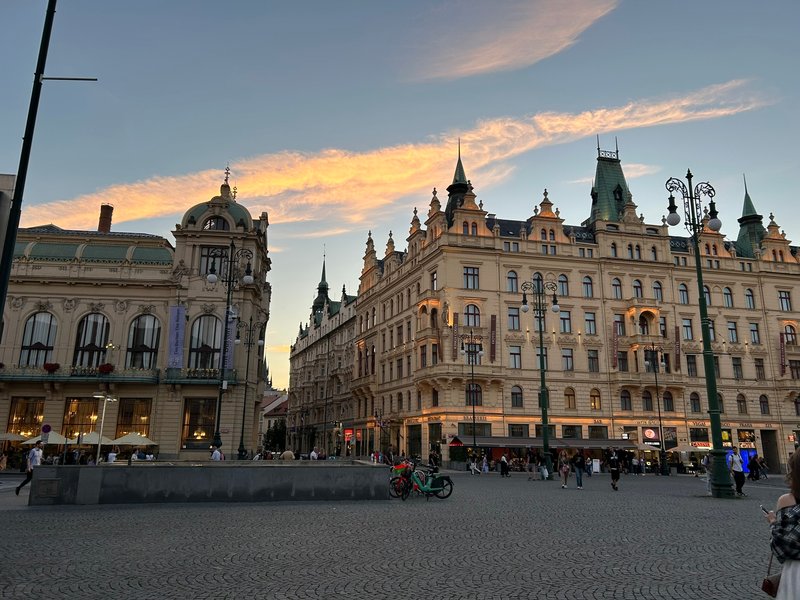
You don’t need museum tickets to learn about Prague’s history. Much of it is written directly on the buildings themselves. Walking through Staré Město or Malá Strana, you can see centuries layered side by side — if you look closely.
Facades tell stories. Gothic structures, baroque ornamentation, and Art Nouveau details often appear within the same block. Doorways are oversized, windows are uneven, and decorations hint at the era in which each building was shaped. This kind of observation costs nothing, but it requires patience.
In Malá Strana especially, churches, palaces, and residential buildings communicate their purpose through exterior details. You don’t need to enter them to understand their role in the city. Passages and inner courtyards, often overlooked, reveal how Prague buildings turn inward, creating quiet spaces behind busy streets.
Free architectural exploration in Prague is about attention, not access. By staying outside and moving slowly, you begin to read the city instead of just passing through it.
Street Life and Free Moments in Prague: Letting the City Surprise You
Some of the best free experiences in Prague are the ones you don’t plan. They happen while you’re walking, turning a corner, or slowing down without a clear destination. Prague’s street life doesn’t demand attention — it reveals itself quietly.
In areas around Staré Město and Malá Strana, street musicians often appear without warning. Near Charles Bridge, in side streets leading away from Old Town Square, or in small squares you weren’t aiming for, someone might be playing a violin or an accordion. You don’t need to stop for long. Even a brief pause is enough to feel how naturally music fits into the city.
Sometimes you notice a small crowd forming. You don’t know why at first, but as you get closer, it becomes a street performance, a temporary exhibition, or a spontaneous moment of interaction. These experiences are not scheduled and not advertised. They exist only if you happen to be there.
Free moments like these reward people who don’t rush. Prague doesn’t perform on command — it appears when you give it space.
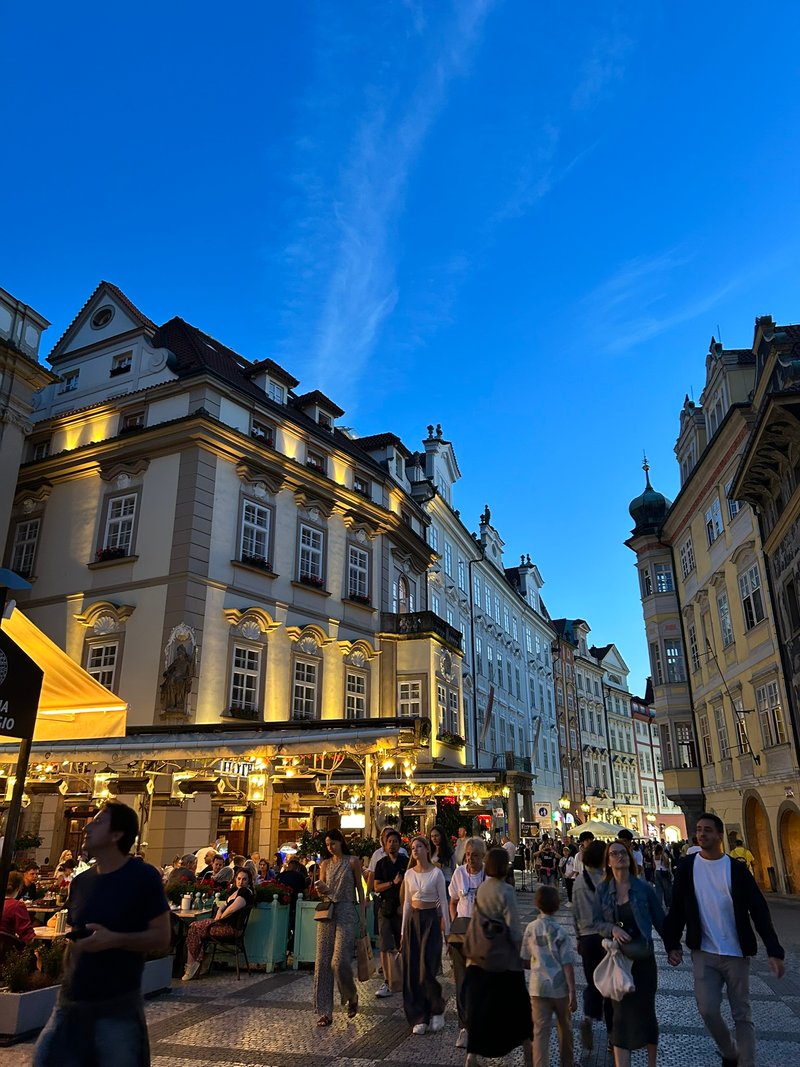
Walking Is the Best Free Activity in Prague
If there is one truly essential free activity in Prague, it is walking. The city is not defined by long distances, but by transitions. Moving on foot allows you to feel how neighborhoods shift, how streets narrow, and how the atmosphere changes block by block.
Walking from Staré Město to Malá Strana is not just a route — it’s a transformation. The density fades, the pace slows, and the city becomes quieter. Taking a tram would be faster, but it would erase that gradual change.
Walking keeps you inside the city instead of moving you over it. You get tired, but you also notice more. You turn into streets unintentionally, pass through courtyards, and catch views you weren’t looking for. None of this is planned, and that’s the point.
In Prague, walking is free not because it costs nothing, but because it gives you access to the city as it really is.
Free Travel in Prague Is a Mindset, Not a Budget Strategy
This article isn’t about saving money — it’s about shifting perspective. Free travel in Prague doesn’t mean avoiding paid attractions; it means understanding that some of the city’s strongest experiences don’t require tickets at all.
By entering fewer places and staying outside longer, by planning less and observing more, Prague opens itself gradually. The city asks for time, not money. And if you’re willing to give that time, it gives something back that lasts longer than a photo or a receipt.
If this guide leaves you thinking,
“Maybe the best parts of Prague are the ones that cost nothing,” then it has done its job.
Prague doesn’t need to be consumed. It needs to be walked, watched, and allowed to unfold.